Last updated on 2026-01-16




Program overview
The Bachelor of Science in Environmental Geoscience is a comprehensive program that delves into the intricate relationships between Earth processes, human activities, and the environment. Students will explore how geological processes have shaped the geosphere, hydrosphere, and atmosphere over time, while also investigating the impacts of human activities on these systems. This program equips students with the knowledge and skills necessary to address societal needs, such as the demand for renewable and non-renewable resources, and the minimization of environmental impacts associated with resource development.
Program structure
The Bachelor of Science in Environmental Geoscience is designed to be flexible, allowing students to choose between full-time or part-time study options. The program typically spans a four-year duration, providing students with a comprehensive education in various sub-disciplines of geoscience, including geochemistry, sedimentology, and hydrogeology.
Key features of the program structure include:
- Ability to enter the program directly from high school.
- Options for off-campus study.
- Small class sizes that enhance interaction with professors and peers.
- Hands-on experience through laboratory analysis and field trips.
Students are encouraged to consult with academic advisors to tailor their educational journey, ensuring they meet their personal and professional goals.
Featured Experiences
The Bachelor of Science in Environmental Geoscience offers a variety of unique experiences that enhance learning and practical application:
- Hands-on laboratory analysis of pollutants in soil and water samples.
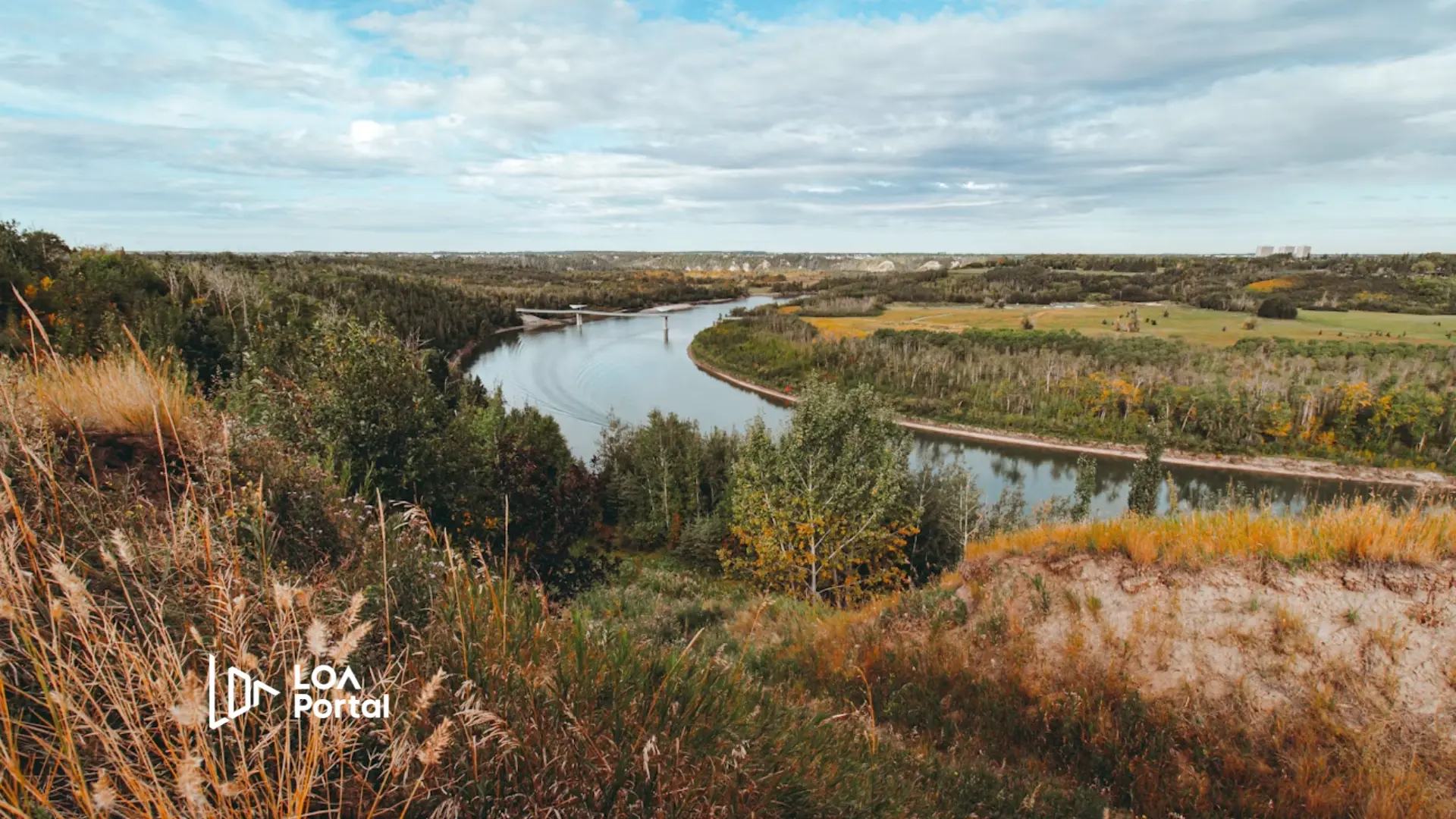
- Field trips that provide practical experience in sampling soil and water in Saskatchewan landscapes.
- Opportunities to participate in research projects and collaborate with faculty members.
- Access to advanced technology and resources for geoscience studies.
- Potential for internships or co-op placements to gain real-world experience.
Career Options
Graduates of the Bachelor of Science in Environmental Geoscience can pursue a variety of career paths in Canada, including:
- Geochemist: Specializes in the chemical composition of Earth materials and processes, often working in environmental monitoring and resource exploration.
- Hydrogeologist: Focuses on groundwater resources, studying the distribution and movement of groundwater in the soil and rocks.
- Environmental Consultant: Provides expert advice on environmental regulations and sustainability practices to businesses and government agencies.
- Mine Reclamation Specialist: Works on restoring land that has been disturbed by mining activities, ensuring environmental compliance and sustainability.
- Contaminated Land Remediation Specialist: Engages in the assessment and cleanup of contaminated sites, ensuring safety and environmental protection.
These career options reflect the diverse skill set and knowledge base that graduates acquire through their studies, preparing them for impactful roles in various sectors.
DISCLAIMER: The information above is subject to change. For the latest updates, please contact LOA Portal's advisors.
Visit University of Saskatchewan official website