Last updated on 2026-01-16








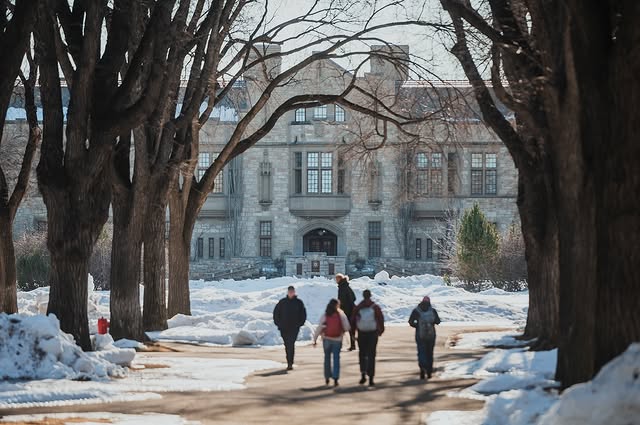
Program overview
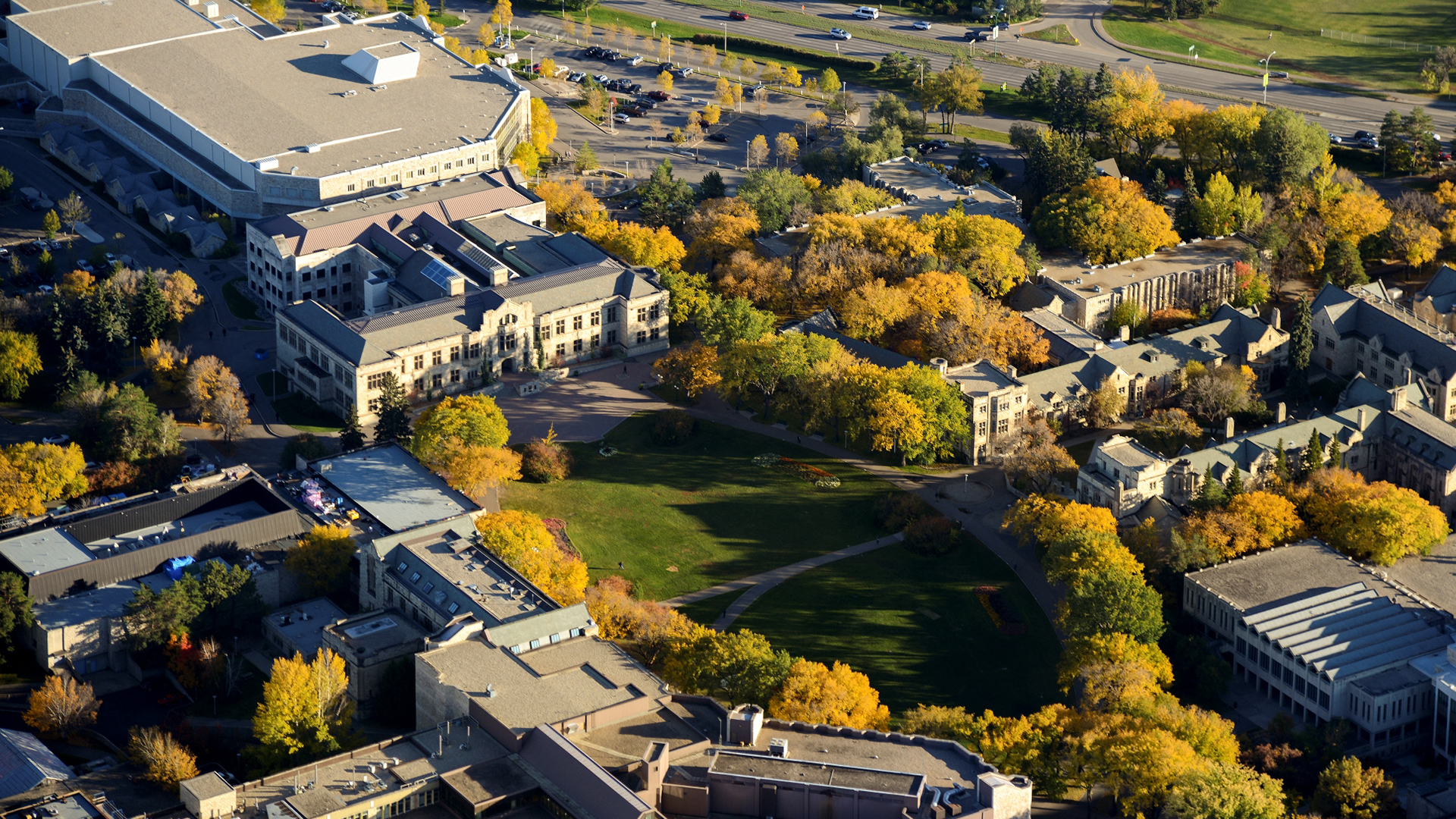
The Bachelor of Science in Environmental Biology at the University of Saskatchewan focuses on the intricate relationships between living organisms and their environments. This program is designed to address pressing environmental challenges such as conservation and contamination. Students will gain a comprehensive understanding of ecological theory and the science behind environmental biology, preparing them to tackle complex issues that society faces today.
Program structure
The Bachelor of Science in Environmental Biology is a four-year degree program that can be pursued on a full-time or part-time basis. Students have the flexibility to enter the program directly from high school or begin their studies off-campus. The program structure includes:
- Comprehensive study of ecological processes and environmental issues
- Hands-on experience through community-based learning projects
- Opportunities to engage in various subject areas
- Capstone course involving practical experience in labs or fieldwork
This program also offers options for students to choose between a four-year degree or an honours degree, allowing for tailored educational paths based on individual goals and interests.
Featured Experiences
The Bachelor of Science in Environmental Biology program provides students with unique and enriching experiences, including:
- Community-based learning projects with non-government organizations
- Practical lab and field experiences to apply theoretical knowledge
- Access to state-of-the-art research facilities, including the Canadian Light Source and the Toxicology Centre
- Weekly seminar series featuring prominent researchers discussing current environmental issues
- Field trips to diverse ecosystems, enhancing real-world understanding of environmental biology
Career Options
Graduates of the Bachelor of Science in Environmental Biology can pursue a variety of career paths in Canada, including:
- Hydrologist: Specializes in the study of water resources, analyzing water quality and availability.
- Wildlife Biologist: Focuses on the study and conservation of wildlife populations and their habitats.
- Ecologist: Examines ecosystems and the interactions between organisms and their environment.
- Forester: Manages forested lands for economic, recreational, and conservation purposes.
- Environmental Technician: Assists in the assessment and management of environmental issues, including pollution control.
- Conservation Officer: Enforces laws related to wildlife and natural resource conservation.
- Policy Analyst: Evaluates and develops policies related to environmental protection and sustainability.
DISCLAIMER: The information above is subject to change. For the latest updates, please contact LOA Portal's advisors.
Visit University of Saskatchewan official website