Last updated on 2025-08-28




Program overview
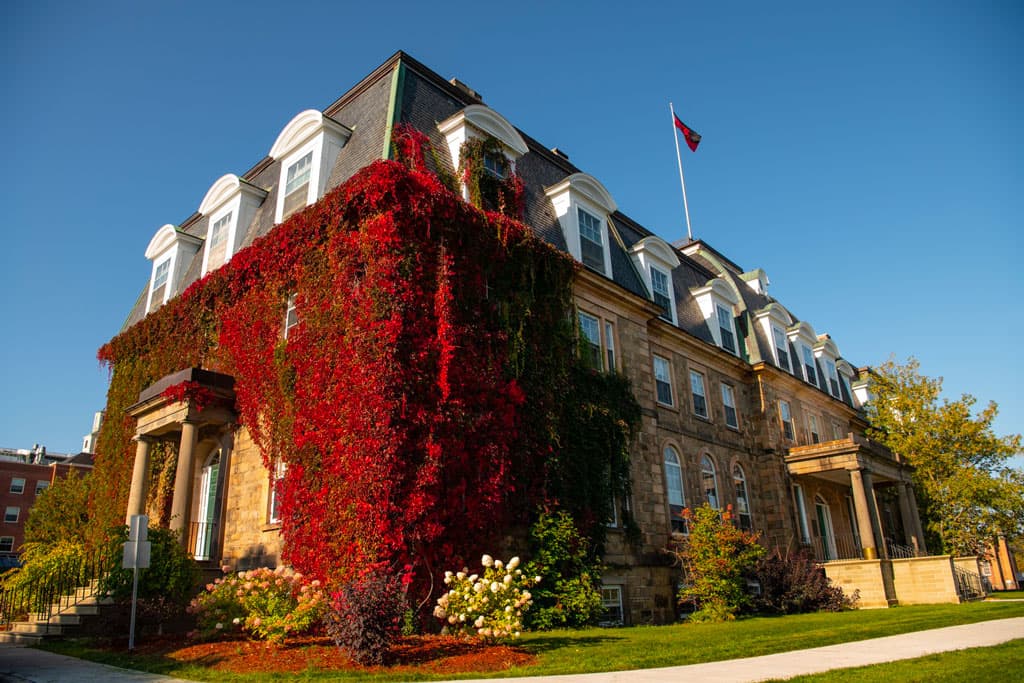
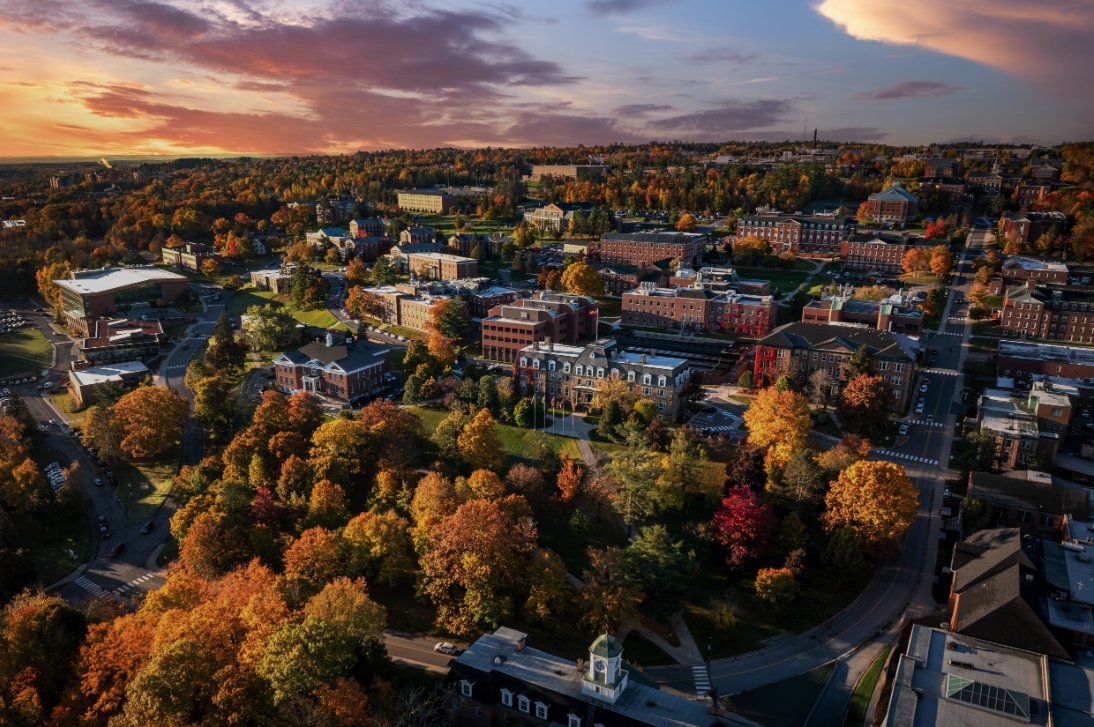
The Bachelor of Science in Forestry (BScF) program at the University of New Brunswick (UNB) is one of the oldest forestry programs in Canada, having been offered for over 100 years. This program focuses on the management of trees, plants, water, and wildlife, emphasizing sustainable practices that benefit both current and future generations. Graduates from this program are highly sought after in the industry, with many becoming leaders in the field. UNB is proud to be the only English Faculty of Forestry in Atlantic Canada, providing a unique educational experience.
Program structure
The BScF program is designed to provide students with a comprehensive understanding of forestry and environmental management. The program is structured to include:
- Program Length: Typically spans four years.
- Hands-on learning experiences in the university’s forests, including the 1,500-hectare University Forest.
- Collaboration with scientists and managers at the Atlantic Forestry Research Centre and the New Brunswick Department of Natural Resources.
- Opportunities to develop skills in GIS/GPS technology.
- Preparation for the Registered Professional Forester designation.
This program emphasizes practical skills and knowledge necessary for effective forest management and sustainability.
Featured Experiences
The BScF program offers several unique features that enhance the learning experience:
- Extensive hands-on learning opportunities in natural forest settings.
- Collaboration on projects with industry professionals and researchers.
- Access to the University Forest for practical fieldwork.
- Engagement with the Atlantic Forestry Research Centre for research and development projects.
- Field camps that provide real-world forestry experience.
Career Options
Graduates of the Bachelor of Science in Forestry program can pursue a variety of career paths in Canada, including:
- Forester: Responsible for managing forested lands and ensuring sustainable practices.
- Urban Forester: Focuses on the management of trees in urban environments to enhance community health and aesthetics.
- Research Forester: Conducts studies to improve forest management practices and sustainability.
- Wildfire Technician: Works on preventing and managing wildfires, ensuring safety and ecological balance.
- Forest/Environmental Consultant: Provides expert advice on forest management and environmental protection.
- Environmental Protection Specialist: Ensures compliance with environmental regulations and promotes conservation efforts.
- Land Use Planner: Develops plans for land use that balance development and conservation.
- Environmental Sociologist: Studies the relationship between society and the environment, focusing on sustainable practices.
- Biostatistician: Applies statistical methods to biological and environmental data for research purposes.
- Silviculturist: Specializes in the cultivation and management of forests to optimize growth and health.
DISCLAIMER: The information above is subject to change. For the latest updates, please contact LOA Portal's advisors.
Visit University of New Brunswick official website