Last updated on 2025-08-28


















Program overview
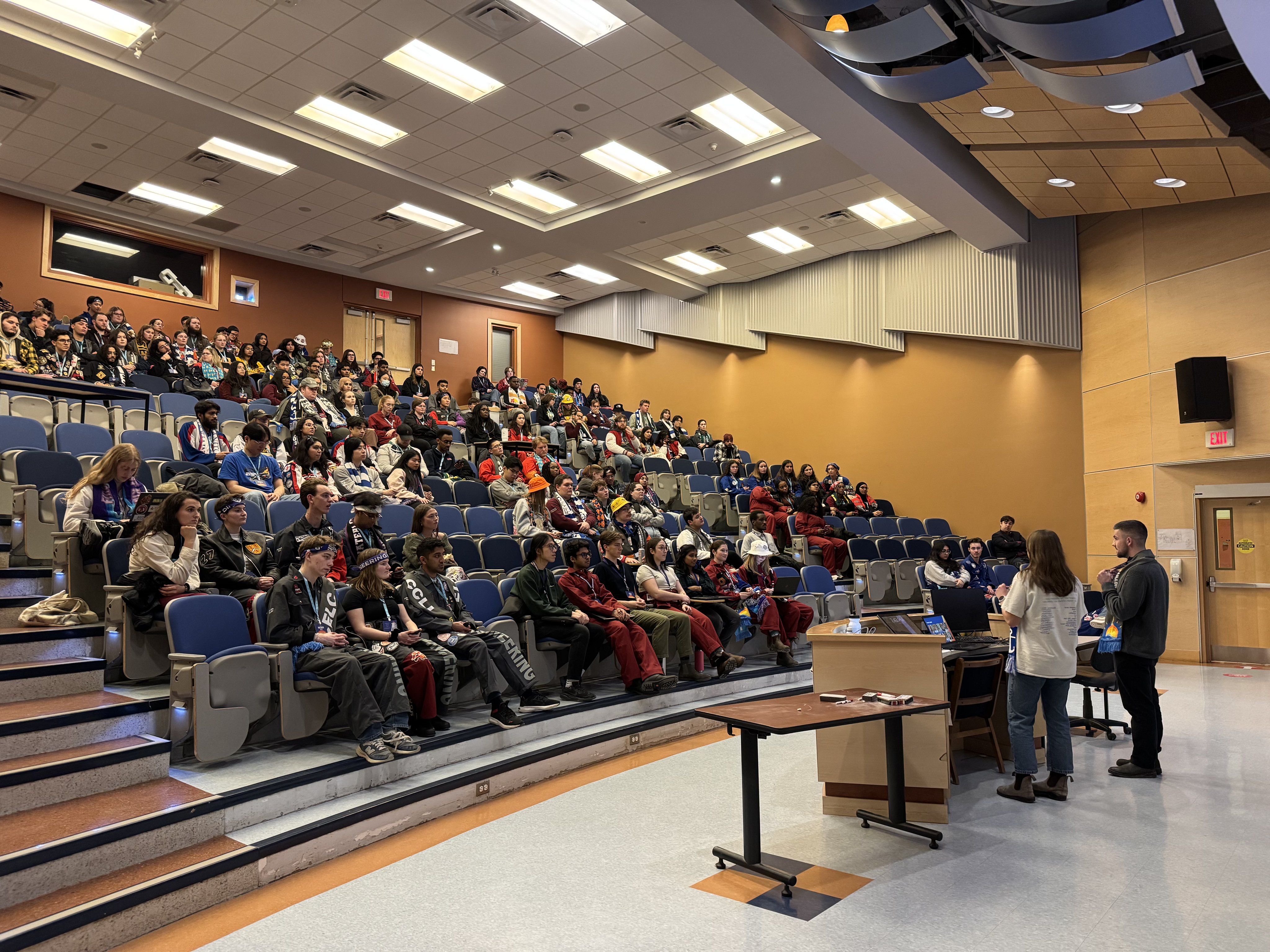
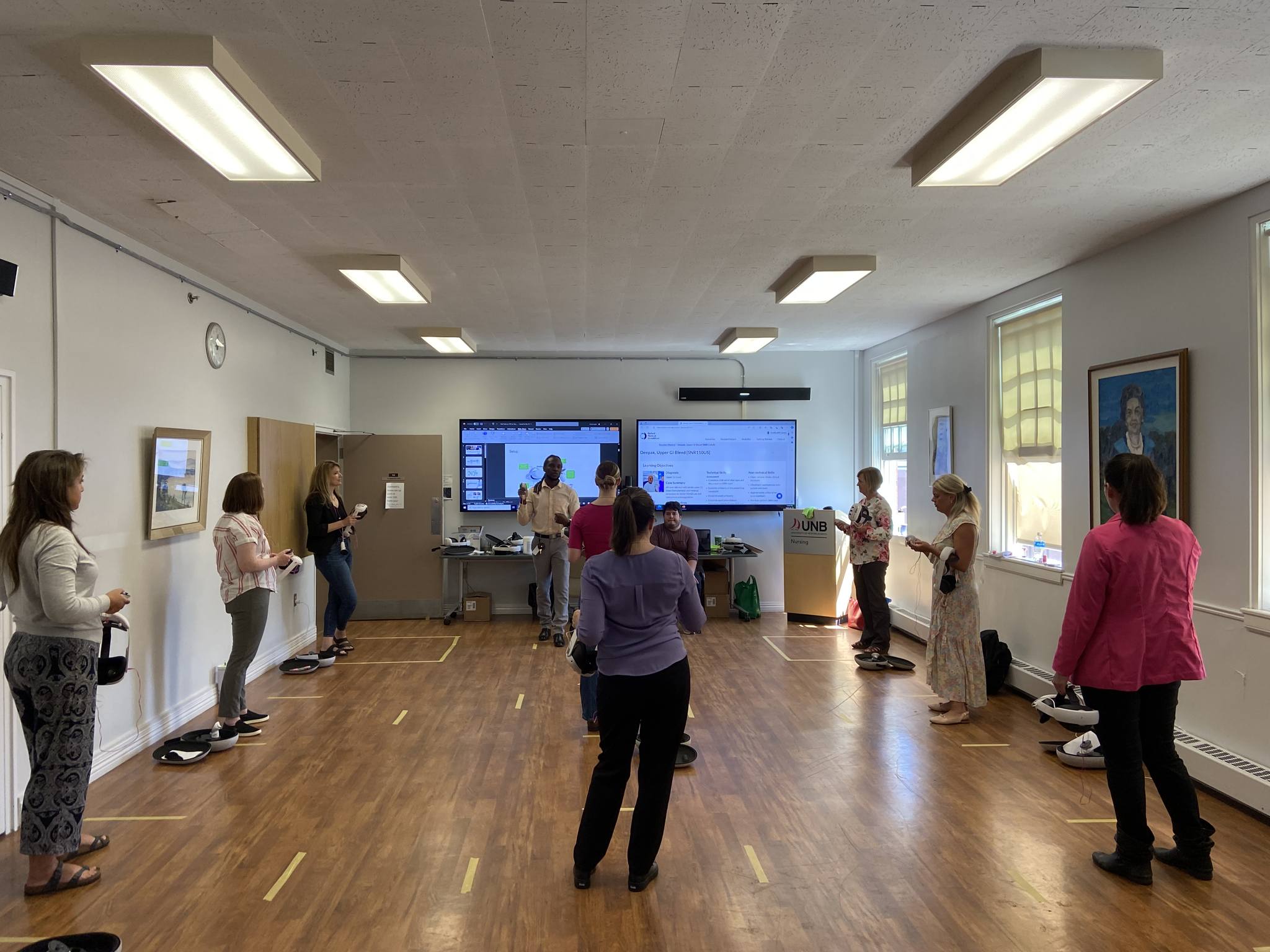
The Bachelor of Business Administration - Economics program at UNB is designed to explore the fundamental questions of how and why we produce, distribute, and purchase goods and services. This program emphasizes analytical, mathematical, and statistical techniques to address economic issues, preparing students to understand the roles of various stakeholders in shaping both Canadian and global economies. With interactive classes led by award-winning instructors, students engage in debates and collaborative work, fostering a rich learning environment.
Program structure
The Bachelor of Business Administration - Economics program is structured to provide a comprehensive understanding of economic principles and practices. The program is designed to be completed in four years, offering a blend of theoretical knowledge and practical application.
Key features of the program structure include:
- Hands-on learning through case studies and group projects.
- Co-operative Education (Co-op) program available for BBA students, providing real-world experience.
- Options to pursue a minor, major, or honours in Economics within the Bachelor of Arts program.
- Availability of a certificate in Economics and a certificate in Financial Markets.
Featured Experiences
The Bachelor of Business Administration - Economics program offers several unique experiences that enhance learning and professional development:
- Interactive classes that encourage student participation and engagement.
- Opportunities to work closely with award-winning instructors.
- Co-operative Education (Co-op) program that allows students to gain practical experience in the field.
- Coursework that includes case studies and group projects, fostering teamwork and critical thinking.
Career Options
Graduates of the Bachelor of Business Administration - Economics program can pursue a variety of career paths in Canada, including:
- Banker: Manage financial transactions and provide advice on loans and investments.
- Economist: Analyze economic data and trends to provide insights and forecasts.
- Financial Planner: Help clients create strategies to manage their finances and achieve their financial goals.
- Foreign Trade Analyst: Evaluate international trade policies and their impact on the economy.
- Investment Portfolio Advisor: Guide clients in selecting investments that align with their financial objectives.
- Public Policy Analyst: Research and analyze policies to inform government decisions and public initiatives.
- Stockbroker: Buy and sell stocks on behalf of clients, providing investment advice and market analysis.
DISCLAIMER: The information above is subject to change. For the latest updates, please contact LOA Portal's advisors.
Visit University of New Brunswick official website