Last updated on 2026-07-29
Program overview
The Bachelor of Arts in Anthropology at the University of New Brunswick (UNB) offers a comprehensive exploration of what it means to be human. This program delves into the biological, cultural, and social aspects of humanity, examining both past and present through a holistic lens. Students will engage with three main subfields: sociocultural anthropology, archaeology, and biological anthropology. With access to an expanded lab facility housing a diverse collection of human, hominid, and primate specimens, students are well-equipped for hands-on learning experiences. The program is available as a major, minor, or honours track, providing flexibility to cater to individual academic goals.
Program structure
The Bachelor of Arts in Anthropology at UNB is designed to provide a rich educational experience through a variety of learning styles and innovative teaching methods. The program structure includes:
- Program Length: Typically completed in four years.
- Small class sizes for enhanced interaction with instructors and peers.
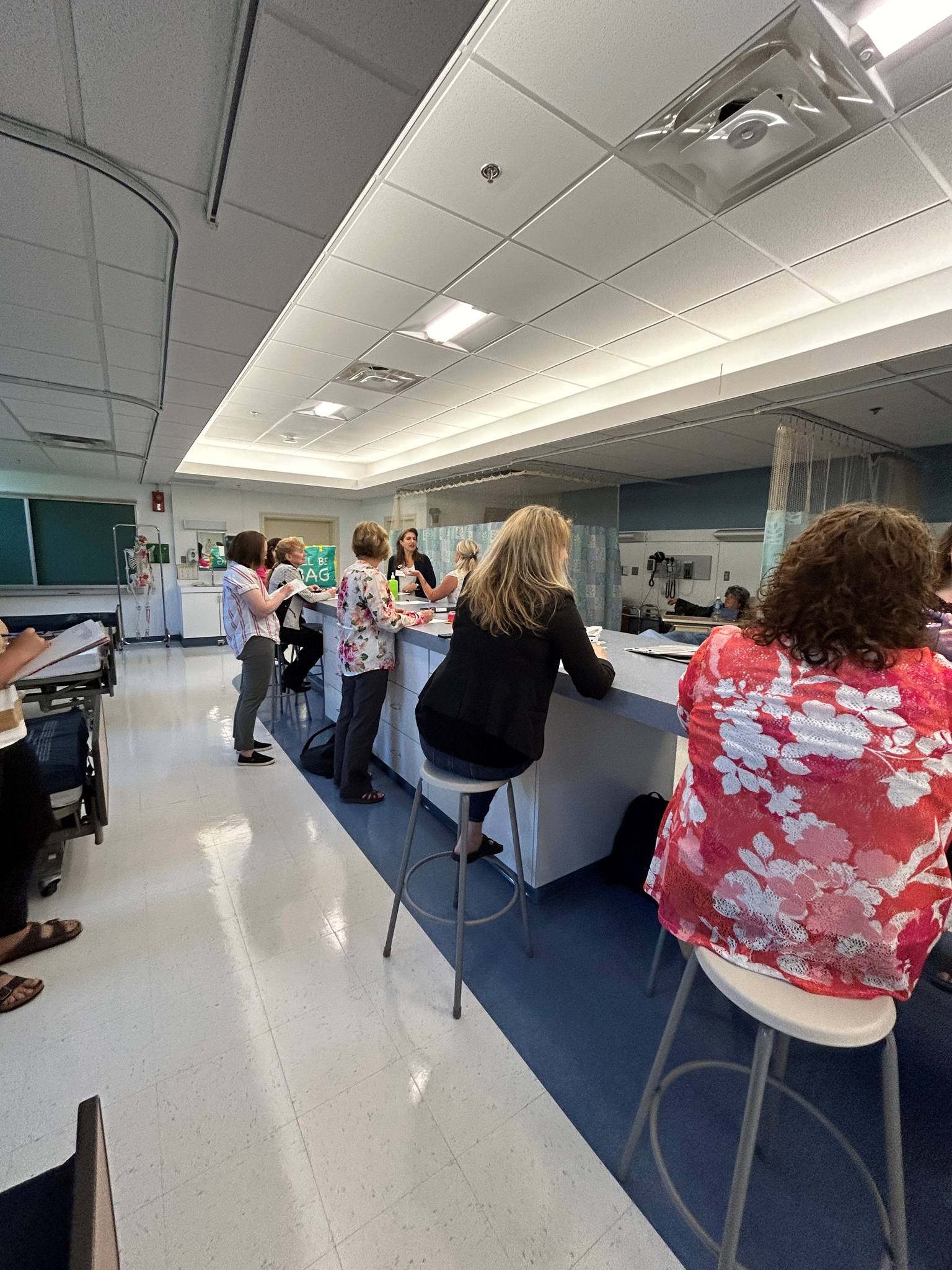
- Hands-on learning opportunities through laboratory research and field activities.
- Participation in volunteer opportunities with faculty research studies and partnering organizations.
- Field trips, academic conferences, and discussion groups organized by the Anthropology student society.
This structure ensures that students not only gain theoretical knowledge but also practical skills that are essential in the field of anthropology.
Featured Experiences
The Anthropology program at UNB offers a variety of unique experiences that enrich the learning journey:
- Hands-on laboratory research opportunities.
- Field activities that allow students to apply their knowledge in real-world settings.
- Volunteer opportunities with faculty research studies and heritage organizations.
- Field trips to relevant sites and participation in academic conferences.
- Engagement in discussion groups hosted by the Anthropology student society.
These experiences are designed to foster a deeper understanding of anthropological concepts and practices.
Career Options
Graduates of the Bachelor of Arts in Anthropology program can pursue a variety of career paths in Canada, including:
- Resource Management Consultant: Advises organizations on sustainable resource use and management practices.
- Legal/Claims Researcher: Conducts research to support legal cases and claims, often involving anthropological insights.
- Policy Analyst: Evaluates and develops policies related to social issues, often using anthropological perspectives.
- Forensic Scientist: Applies anthropological methods to assist in criminal investigations and legal proceedings.
- Ergonomic Design Consultant: Works with companies to design products and workspaces that enhance human well-being and efficiency.
- Medical Researcher: Conducts research in medical settings, often focusing on human behavior and cultural factors in health.
- Research Consultant: Provides expertise in anthropological research methods for various organizations.
- Archivist: Manages and preserves historical documents and artifacts, often with a focus on cultural heritage.
- Ethnographer: Studies cultures and communities through immersive research methods.
- Librarian: Works in libraries, often focusing on resources related to anthropology and social sciences.
These career options highlight the versatility and applicability of an anthropology degree in various sectors.
DISCLAIMER: The information above is subject to change. For the latest updates, please contact LOA Portal's advisors.
Visit University of New Brunswick official website