Last updated on 2026-07-29


















Program overview
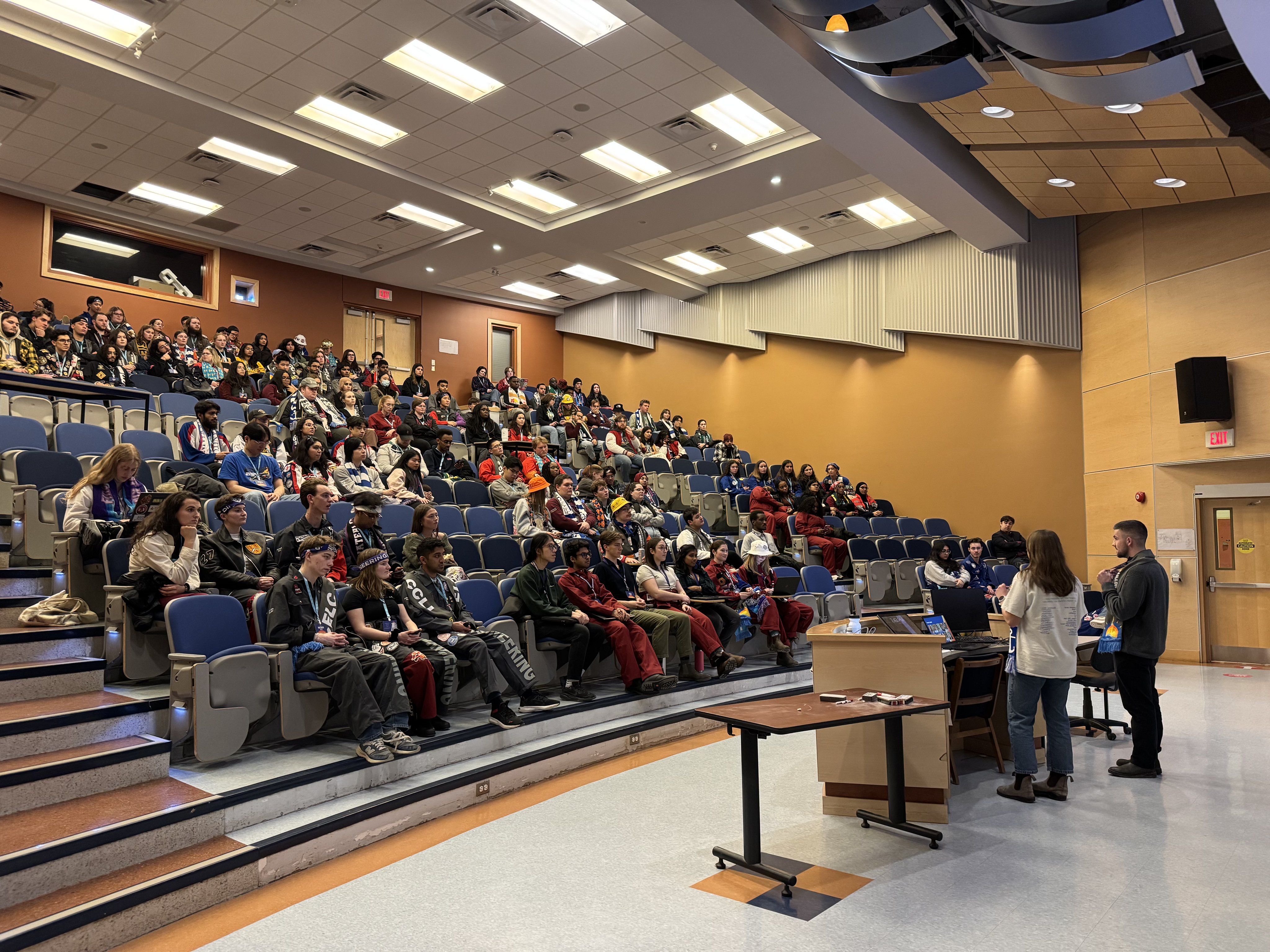
The Bachelor of Science in Economics at UNB is designed to explore the fundamental questions of how and why we produce, distribute, and purchase goods and services. This program emphasizes analytical, mathematical, and statistical techniques to address economic issues. Students will engage with award-winning instructors in interactive classes, fostering a collaborative environment where they can debate and work closely with peers. The program aims to equip students with the skills necessary to understand the roles of various economic agents in shaping both Canadian and global economies.
Program structure
The Bachelor of Science in Economics program at UNB offers a comprehensive structure that prepares students for a variety of career paths. The program is designed to be completed in a standard duration, allowing students to immerse themselves in the subject matter while developing essential skills. Key features of the program include:
- Interactive classes with award-winning instructors
- Hands-on learning through case studies and group projects
- Co-operative Education (Co-op) program available for Bachelor of Business Administration students
This program provides students with a solid foundation in economics, preparing them for further studies or immediate entry into the workforce.
Featured Experiences
- Interactive classes that encourage debate and collaboration with instructors and peers
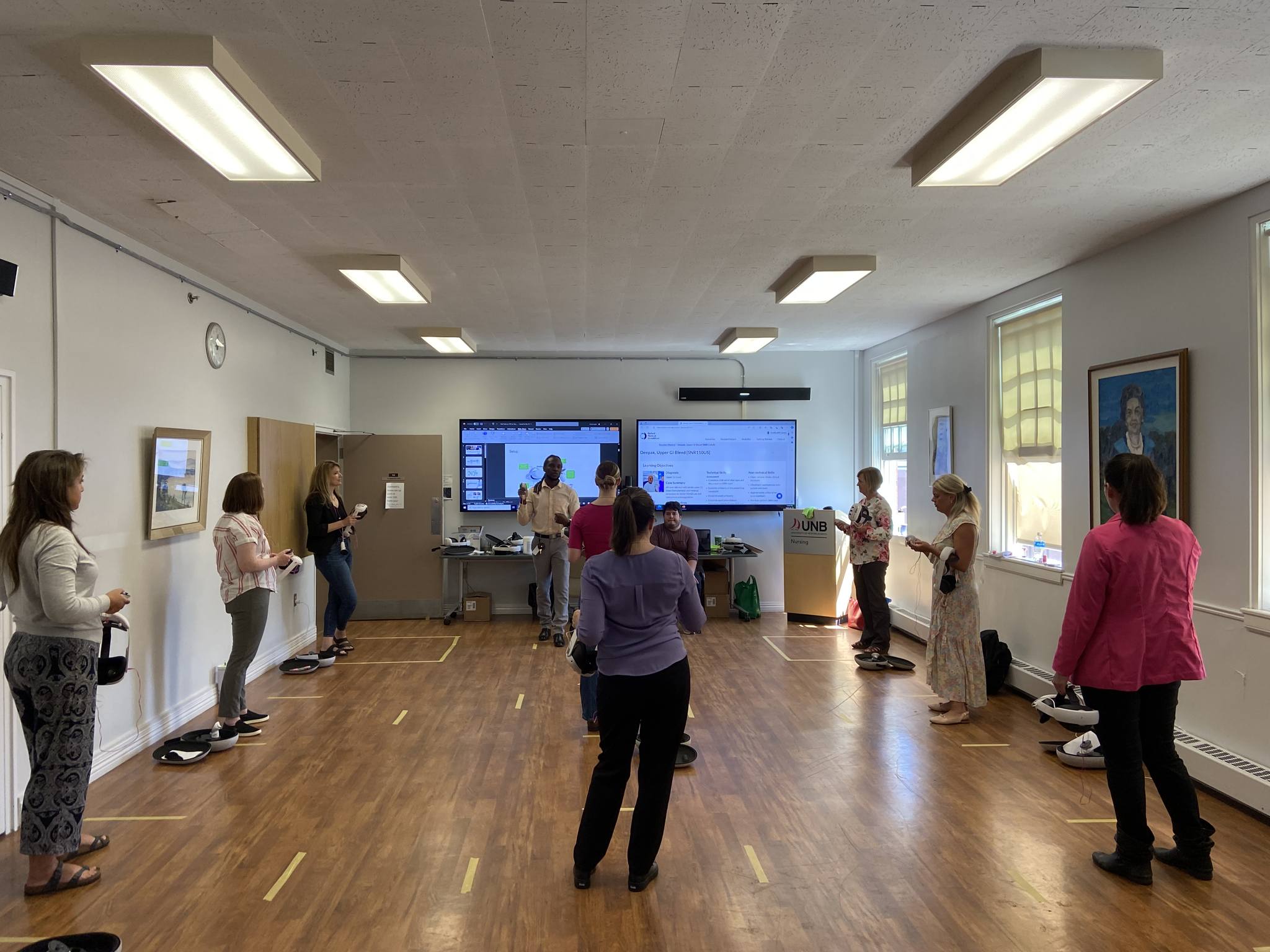
- Hands-on learning opportunities through case studies and group projects
- Co-operative Education (Co-op) program, enhancing real-world experience for students
- Development of critical skills such as problem-solving, decision-making, and analytical thinking
Career Options
- Banker: Manage financial transactions and provide advice on loans and investments.
- Economist: Analyze economic data to forecast trends and inform policy decisions.
- Financial Planner: Help clients create strategies to achieve their financial goals.
- Foreign Trade Analyst: Evaluate international trade policies and their impact on the economy.
- Investment Portfolio Advisor: Guide clients in managing their investment portfolios for optimal returns.
- Public Policy Analyst: Research and analyze policies to recommend improvements and assess their economic impact.
- Stockbroker: Buy and sell stocks on behalf of clients, providing investment advice and market insights.
DISCLAIMER: The information above is subject to change. For the latest updates, please contact LOA Portal's advisors.
Visit University of New Brunswick official website