Last updated on 2025-11-14
Program overview
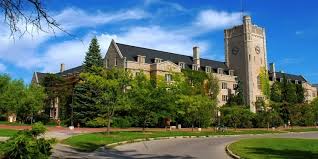
The Bachelor of Arts in Anthropology at the University of Guelph offers a comprehensive exploration of human cultures and societal dynamics. This program equips students with the analytical tools necessary to critically assess human behavior and cultural interactions. By engaging with topics such as Indigenous studies, gender, technology, health, and global movements, students develop a profound understanding of contemporary issues. Graduates emerge prepared to tackle challenges related to social inequality, environmental sustainability, and cultural preservation, making meaningful contributions to society.
Program structure
The Bachelor of Arts in Anthropology is designed to provide a robust educational experience over a three-year program. The structure includes:
- Core courses that cover a wide range of anthropological topics.
- Opportunities for hands-on learning through co-op placements.
- Options for studying abroad to immerse in different cultures.
This program emphasizes experiential learning, allowing students to gain valuable insights and skills that are applicable in various professional contexts. The co-op option is particularly beneficial, as it integrates practical work experience with academic learning, enhancing students' employability upon graduation.
Featured Experiences
- Co-op program that includes three required work terms, providing paid work experience.
- Opportunities to study abroad for a semester, allowing immersion in different cultures.
- Learning from world-renowned faculty with expertise in diverse global contexts.
- Engagement in community awareness projects addressing global issues.
Career Options
Graduates of the Bachelor of Arts in Anthropology can pursue a variety of career paths in Canada, including:
- Conservationist: Work on preserving natural resources and promoting sustainable practices.
- Community Development Worker: Assist communities in improving their social and economic conditions.
- Cultural Resource Management: Manage and protect cultural heritage sites and resources.
- Archaeologist: Conduct research and excavations to uncover historical artifacts and sites.
- Foreign Aid Worker: Provide assistance and support to communities in developing countries.
- Foreign Service Officer: Represent Canada in international relations and diplomacy.
- Forensic Scientist: Apply scientific methods to solve crimes and analyze evidence.
- Museum Curator: Oversee collections and exhibitions in museums.
- Policy Analyst: Research and analyze policies to inform decision-making processes.
- Social Worker: Support individuals and families in overcoming challenges.
- Educator: Teach and share knowledge in various educational settings.
DISCLAIMER: The information above is subject to change. For the latest updates, please contact LOA Portal's advisors.
Visit University of Guelph official website