Last updated on 2025-11-14




Program Overview
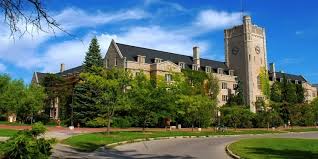
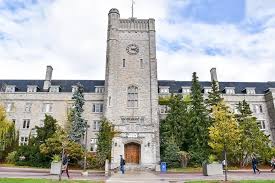
The Wildlife Biology and Conservation program at the University of Guelph is designed to provide students with a comprehensive understanding of the ecological and evolutionary factors that impact species sustainability. This unique program is the only major in Canada that integrates ecology, evolution, and conservation into a four-year curriculum. Students will explore the intricate relationships between ecosystems and organisms, focusing on conservation strategies and natural system management. The program emphasizes hands-on learning and research, allowing students to engage with real-world challenges in wildlife biology.
Program Structure
The Wildlife Biology and Conservation program is structured to provide a solid foundation in biological sciences, followed by specialized themes in upper years. Key features of the program include:
- Program Length: This is a four-year undergraduate program.
- Flexibility to focus on three main themes: ecology, evolution, and conservation.
- A capstone course in the fourth year, allowing students to engage in research on topics of personal interest.
- Opportunities for co-op placements, enhancing practical experience.
Students can apply for the co-op program directly from high school or later for in-course admission, providing a pathway to gain valuable work experience while studying.
Featured Experiences
The Wildlife Biology and Conservation program offers a variety of unique experiences that enhance learning and professional development:
- Access to world-renowned research facilities, including the Centre for Biodiversity Genomics and Hagen Aqualab.
- Field experiences in locations such as Algonquin Provincial Park and the university’s Arboretum.
- Co-op opportunities that include four paid work terms, allowing students to apply classroom knowledge in real-world settings.
- Hands-on work experiences available in private, non-profit, and governmental organizations.
Career Options
Graduates of the Wildlife Biology and Conservation program are well-prepared for a variety of career paths in Canada. Here are some potential job options:
- Wildlife Biologist: Study wildlife populations and their habitats, conducting research to inform conservation efforts.
- Conservation Officer: Enforce laws and regulations related to wildlife protection and habitat conservation.
- Research Technician: Assist in scientific research projects, collecting and analyzing data related to wildlife and ecosystems.
- Wildlife Educator and Interpreter: Educate the public about wildlife conservation and ecological issues through programs and outreach.
- Park Ranger: Manage and protect natural parks, ensuring the preservation of wildlife and natural resources.
With practical experience gained through labs, fieldwork, and research, graduates are equipped to pursue exciting careers in both the private and public sectors, contributing to the field of wildlife biology and conservation.
DISCLAIMER: The information above is subject to change. For the latest updates, please contact LOA Portal's advisors.
Visit University of Guelph official website