Last updated on 2025-11-14



Program Overview
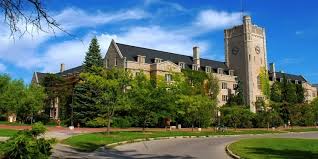
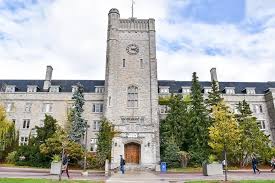
The Biological and Medical Physics program at the University of Guelph is designed to equip students with cutting-edge skills to tackle human health challenges. This interdisciplinary major combines strengths in physics, biochemistry, and molecular biology, focusing on their applications in healthcare and the medical field. Students will gain a comprehensive understanding of how physicists contribute to biological knowledge, enhancing their ability to improve health outcomes through biological physics.
Program Structure
The Biological and Medical Physics program is structured to provide a robust educational experience over a five-year period, particularly for those opting for the co-op program. Key features of the program include:
- Engagement in specialized upper-year courses, including radiation physics and medical imaging.
- Opportunities to develop communication skills through a unique Science Communications course.
- Hands-on laboratory experience, preparing students for real-world applications in medical physics.
- Co-op options that include five work terms, allowing students to gain valuable professional experience.
Students will also benefit from a high rate of awards and opportunities to author or co-author research papers in physics journals, enhancing their academic credentials.
Featured Experiences
- Co-op program with five work terms to gain practical experience.
- Laboratory experience that is highly regarded, with many students receiving awards.
- Unique Science Communications course to help convey complex physics concepts to non-specialists.
- Hands-on training in modern medical imaging techniques and clinical applications of biophysics.
Career Options
Graduates of the Biological and Medical Physics program have a wide array of career opportunities in Canada, including:
- Magnetic Resonance Imaging (MRI) Specialist: Operates MRI machines and analyzes imaging results for diagnostic purposes.
- CAT Scan Technician: Prepares patients and operates CT scanners to produce detailed images for medical analysis.
- Forensic Scientist: Applies scientific principles to analyze physical evidence from crime scenes.
- Laboratory Testing Analyst: Conducts tests and experiments in a laboratory setting to support medical research.
- Quantitative Analyst: Uses mathematical and statistical methods to analyze data and inform decision-making in healthcare.
- Imaging Software Developer: Designs and develops software for medical imaging technologies.
- Health Physicist: Ensures safety and compliance with regulations regarding radiation in medical settings.
- Health and Safety Technician: Monitors and evaluates workplace environments to ensure safety standards are met.
DISCLAIMER: The information above is subject to change. For the latest updates, please contact LOA Portal's advisors.
Visit University of Guelph official website