Last updated on 2025-11-14



Program Overview
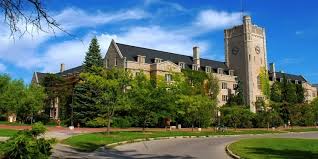
The Sociology major at the University of Guelph is designed to help students understand society from diverse perspectives. This program equips students with essential skills to analyze and evaluate societal dynamics, focusing on issues such as inequality, diversity, and culture. By applying sociological theories to modern problems, students are prepared to make a significant impact in addressing social challenges and fostering positive change in both local and global contexts.
Program Structure
The Bachelor of Arts in Sociology at the University of Guelph offers a comprehensive curriculum that emphasizes both theoretical exploration and practical application. The program is structured to provide students with a robust understanding of societal complexities over a four-year period. Key features of the program include:
- Experiential learning opportunities such as co-op placements, field schools, and study abroad programs.
- Focus on critical analysis and evaluation of information related to social and political issues.
- Engagement with diverse perspectives to address modern social challenges.
Students will have the chance to apply their knowledge in real-world settings, enhancing their learning experience and preparing them for future careers.
Featured Experiences
- Co-op placements that provide hands-on experience in the field.
- Field schools that allow students to engage with communities and apply their learning.
- Study abroad programs to gain international perspectives on sociology.
- Opportunities for research on critical topics such as health, media, and violence.
Career Options
Graduates of the Sociology program at the University of Guelph have a wide range of career options available to them. Here are some potential job roles:
- Criminal Justice Professional: Work within the legal system to address crime and rehabilitation.
- Data Scientist: Analyze data to inform decisions and strategies in various sectors.
- Educator: Teach and inspire students in schools or community programs.
- Health Program Officer: Develop and manage health initiatives to improve community well-being.
- Human Resources Professional: Manage employee relations and organizational development.
- Human Rights Officer: Advocate for and protect human rights at local and international levels.
- Labour Relations Specialist: Facilitate negotiations between employers and employees.
- Project Manager: Oversee projects from inception to completion in various industries.
- Publicist: Manage public relations and communications for organizations.
- Researcher: Conduct studies to gather insights on social issues.
- Social Policy Analyst: Analyze and develop policies to address social challenges.
- Social Worker: Support individuals and communities in overcoming social issues.
DISCLAIMER: The information above is subject to change. For the latest updates, please contact LOA Portal's advisors.
Visit University of Guelph official website