Last updated on 2025-11-14

Program Overview
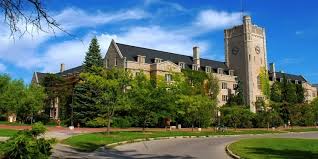
The Bachelor of Arts in Anthropology at the University of Guelph offers a comprehensive exploration of human cultures and societal dynamics. This program emphasizes a multi-dimensional approach to understanding critical issues such as Indigenous rights, gender studies, technology, health, and global environmental movements. Students will develop analytical skills that enable them to engage with contemporary challenges and historical contexts, preparing them to advocate for positive change in diverse settings.
Program Structure
The Bachelor of Arts in Anthropology program is designed to provide students with a robust educational experience over a four-year period, with an optional co-op component extending the program to four-and-a-half years. Key features of the program structure include:
- Three required work terms for co-op students, offering valuable paid work experience.
- Opportunities to study abroad, allowing students to immerse themselves in different cultures.
- Access to a diverse range of courses that cover various aspects of anthropology and sociology.
- Engagement with faculty who are experts in their fields, conducting research globally.
This structure ensures that students not only gain theoretical knowledge but also practical skills that are essential for their future careers.
Featured Experiences
- Co-op program providing hands-on work experience and professional networking opportunities.
- Study abroad options to enhance cultural understanding and global awareness.
- Research opportunities with faculty who have expertise in various international contexts.
- Collaborative projects with peers to address global issues in sociology and anthropology.
Career Options
Graduates of the Bachelor of Arts in Anthropology program can pursue a wide range of career paths in Canada, including:
- Conservationist: Work on preserving natural resources and promoting sustainable practices.
- Community Development Worker: Engage with communities to improve social and economic conditions.
- Cultural Resource Management: Oversee the preservation and management of cultural heritage sites.
- Archaeologist: Conduct research and excavations to uncover historical artifacts and sites.
- Foreign Aid Worker: Provide assistance and support to communities in developing countries.
- Foreign Service Officer: Represent Canada in diplomatic missions and international relations.
- Forensic Scientist: Apply anthropological methods to assist in criminal investigations.
- Museum Curator: Manage collections and exhibitions in cultural institutions.
- Policy Analyst: Analyze and develop policies related to social issues and cultural dynamics.
- Social Worker: Support individuals and communities in overcoming social challenges.
- Educator: Teach and share knowledge about anthropology and related fields.
DISCLAIMER: The information above is subject to change. For the latest updates, please contact LOA Portal's advisors.
Visit University of Guelph official website