Last updated on 2025-05-14




Program Overview
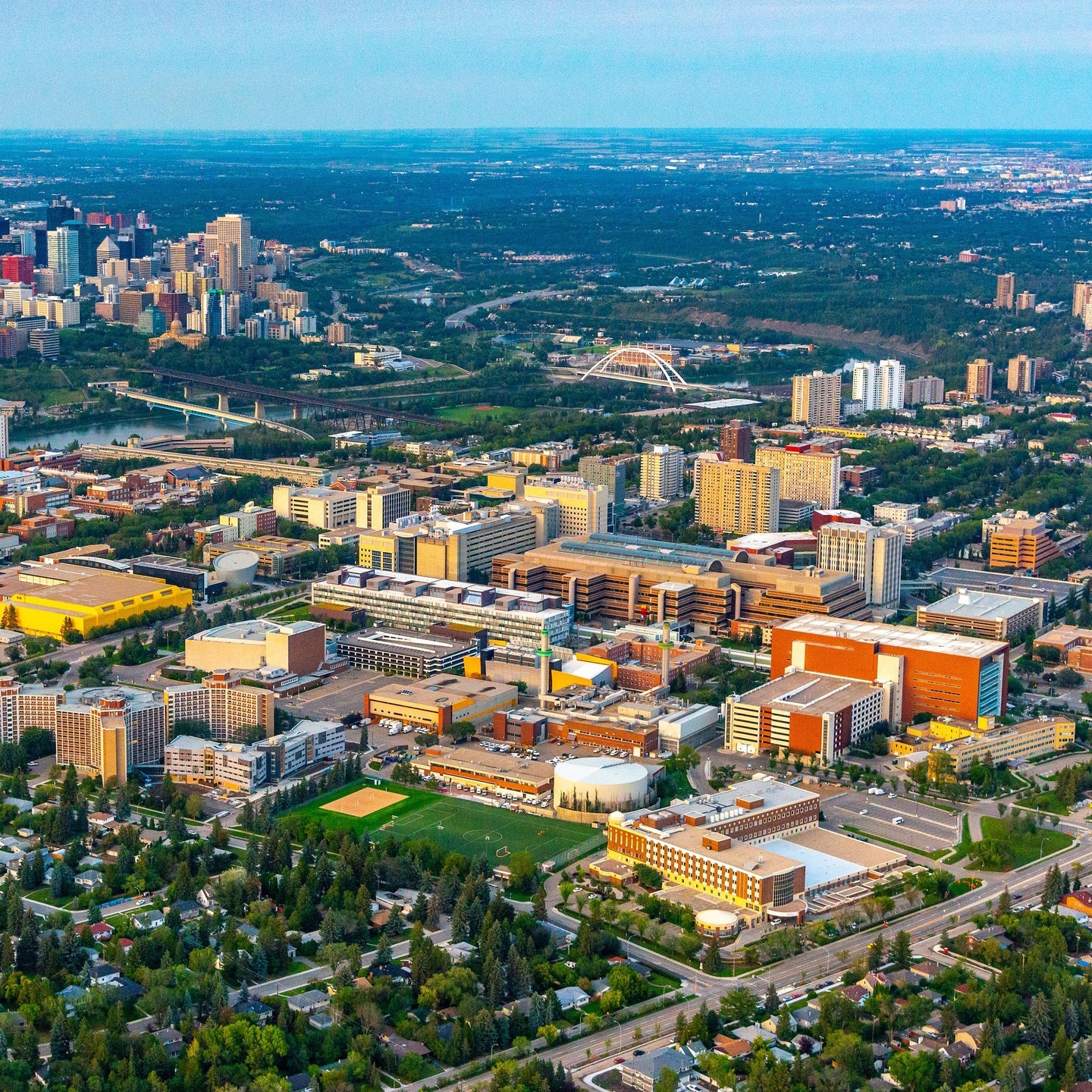
The Bachelor of Science with Honors in Geophysics at the University of Alberta is designed for students interested in understanding the Earth's structure and dynamics. This program utilizes principles from physics to conduct geophysical surveys, which can help locate energy sources, mineral deposits, and assess natural hazards such as earthquakes and volcanoes. The program emphasizes in-depth training and includes a research thesis project, making it ideal for those drawn to scientific research.
Program Structure
The Bachelor of Science with Honors in Geophysics is structured to provide a comprehensive education over a period of four years. Key features of the program include:
- In-depth training in geophysics and related scientific fields.
- A mandatory research thesis project that enhances research skills.
- Higher academic standards compared to the BSc Major degree.
- Options to add a minor from various faculties, although this may limit elective courses.
- Opportunities for undergraduate research and hands-on learning experiences.
This program is also offered as a BSc with Major, providing flexibility for students based on their academic goals.
Featured Experiences
- Hands-on geophysical surveys to locate energy sources and assess natural hazards.
- Research thesis project embedded in the curriculum, allowing students to engage in scientific inquiry.
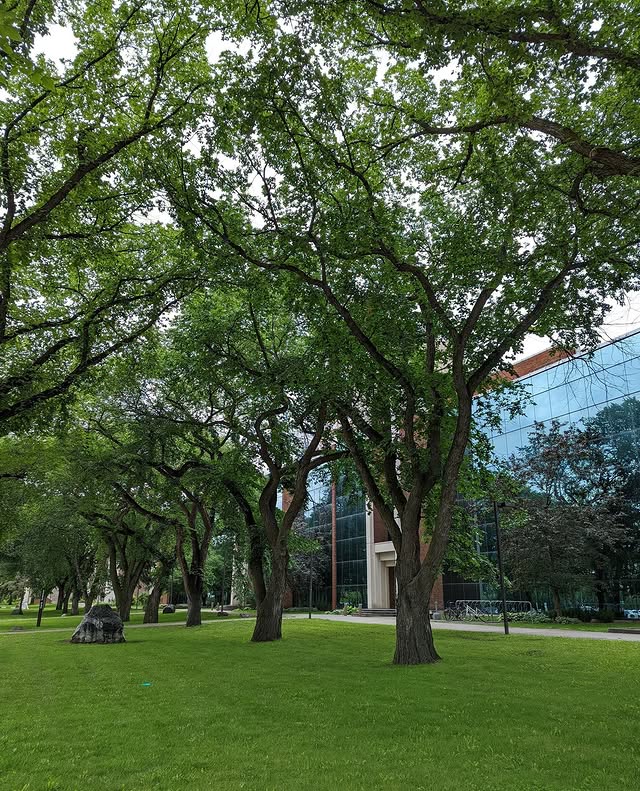
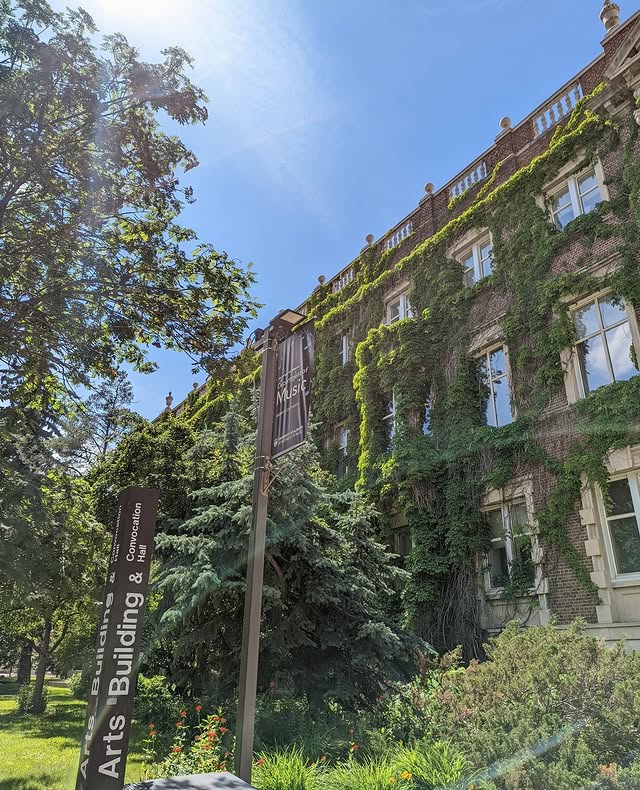
- Access to state-of-the-art teaching and learning facilities.
- Opportunities for undergraduate research under the guidance of leading researchers in the field.
- Potential for collaborative projects with industry partners.
Career Options
Graduates of the Bachelor of Science with Honors in Geophysics can pursue a variety of career paths in Canada, including:
- Environmental Auditor: Assessing environmental impacts and ensuring compliance with regulations.
- Exploration Geophysicist: Conducting surveys to locate natural resources such as oil and minerals.
- Geophysicist: Analyzing data related to the Earth's physical properties to inform various industries.
- Research Scientist: Engaging in scientific research to advance knowledge in geophysics and related fields.
- Seismic Observer: Monitoring and analyzing seismic activity to assess geological hazards.
Other potential roles include Environmental Policy Analyst, Global Change Researcher, and Volcanologist, among others, showcasing the diverse opportunities available to graduates in this field.
DISCLAIMER: The information above is subject to change. For the latest updates, please contact LOA Portal's advisors.
Visit University of Alberta official website