Last updated on 2025-12-03

Program overview
TRU's Bachelor of Science in Nursing (BScN) program has been a cornerstone of nursing education for over 35 years, with its inception dating back to 1992. This program is designed to equip students with the necessary skills to positively impact the health and well-being of diverse populations. Graduates are prepared to take the National Council Licensure Examination (NCLEX) and, upon passing, can register as Registered Nurses (RNs) with the BC College of Nurses and Midwives (BCCNM). The program emphasizes a commitment to global health, offering unique immersion learning experiences both locally and internationally.
Program structure
The Bachelor of Science in Nursing program is structured to be completed in four years. It consists of:
- Eight academic semesters, starting each September with an intake of 80 students.
- Practice courses that require various shifts, including days, evenings, nights, and weekends.
- Out-of-town placements that are mandatory for all students.
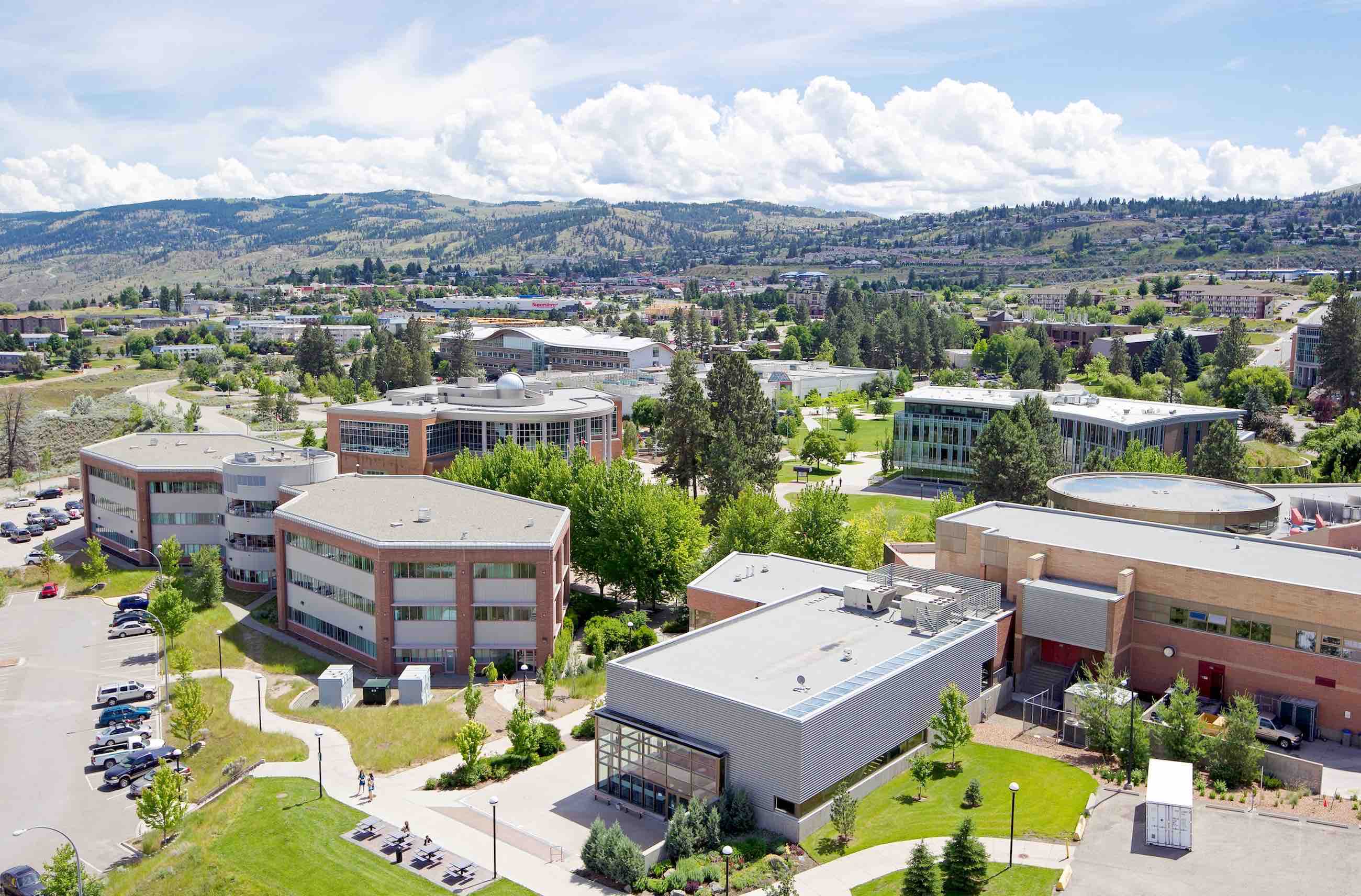
This comprehensive structure ensures that students gain hands-on experience in a variety of health care settings, including institutional and community environments. The program is offered at TRU's Williams Lake campus for the first two years, with the final two years taking place in Kamloops. Students must submit a single application to TRU, regardless of their campus preference.
Featured Experiences
The Bachelor of Science in Nursing program offers several unique features that enhance the learning experience:
- Global health commitment with immersion learning opportunities in locations such as Hazelton, BC, and Norway.
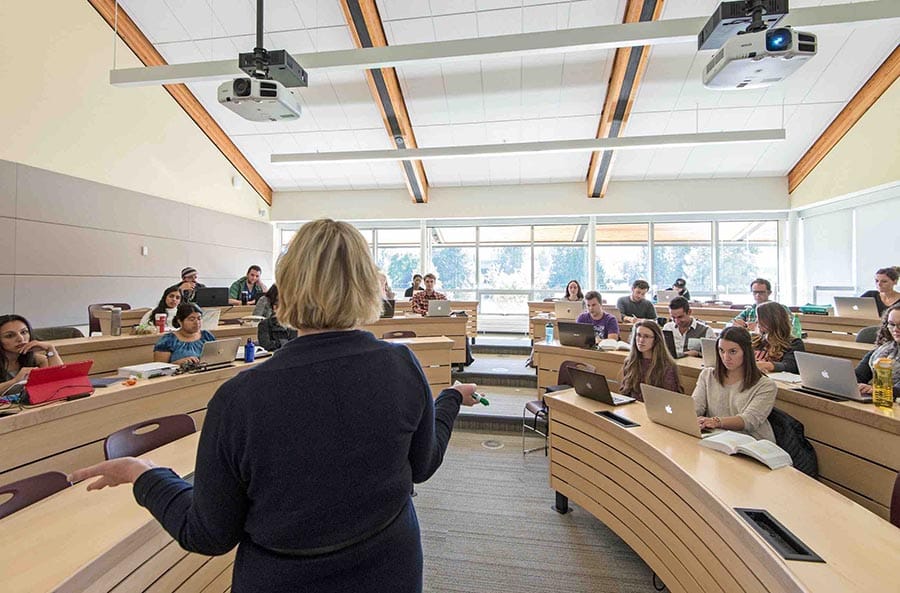
- Hands-on practice in diverse health care settings, preparing students for real-world challenges.
- Collaboration with experienced faculty who have received recognition for their contributions to nursing education and practice.
These experiences not only enrich the educational journey but also foster a strong sense of community and cultural awareness among students.
Career Options
Graduates of the Bachelor of Science in Nursing program have a wide array of career opportunities in Canada, including:
- Registered Nurse (RN): Provide patient care in hospitals, clinics, and community health settings, focusing on health promotion and disease prevention.
- Nurse Educator: Teach nursing students in academic settings, sharing knowledge and practical skills necessary for the profession.
- Clinical Nurse Specialist: Specialize in a specific area of nursing, providing expert advice and support to nursing staff and patients.
- Public Health Nurse: Work in community settings to promote health and prevent disease through education and outreach programs.
- Research Nurse: Conduct clinical research studies, collecting data and ensuring compliance with regulatory standards.
These roles highlight the versatility and demand for nursing professionals in various health care environments across Canada.
DISCLAIMER: The information above is subject to change. For the latest updates, please contact LOA Portal's advisors.
Visit TRU - Thompson Rivers University official website