Last updated on 2026-10-06














Program Overview
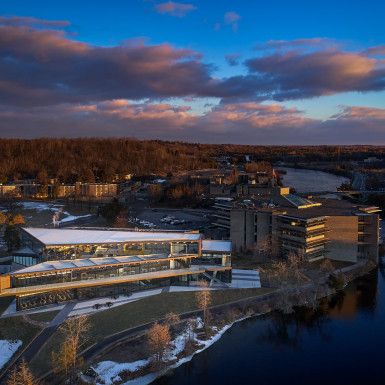
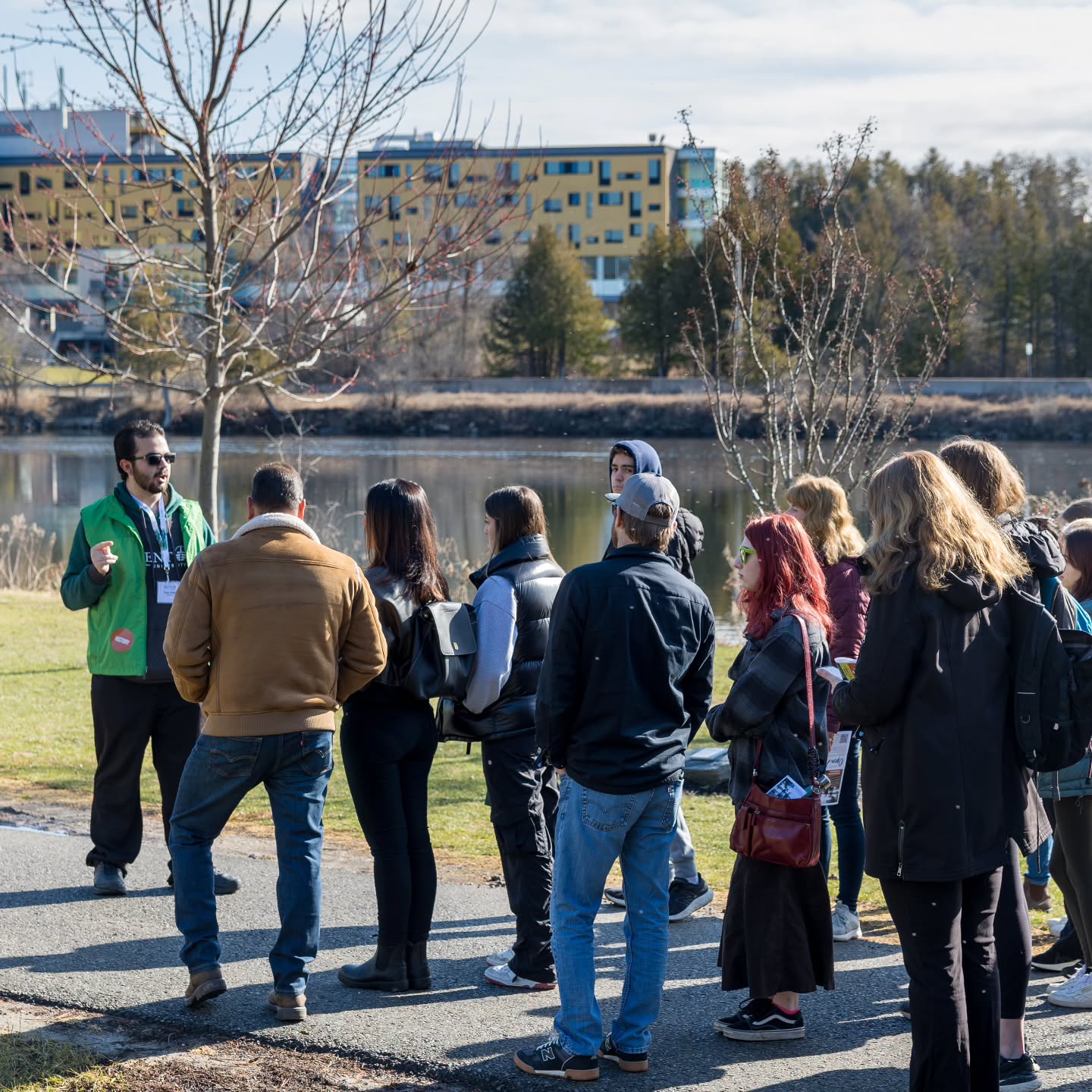
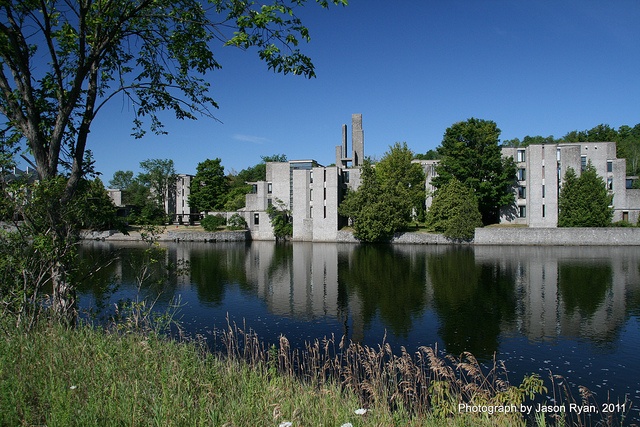
The Bachelor of Science in Forensic Science at Trent University is designed to provide students with a comprehensive understanding of the scientific principles and methodologies used in forensic investigations. This program emphasizes critical thinking and analytical skills, preparing graduates for a variety of roles in the forensic field. With a strong focus on practical experience and research, students will engage in hands-on learning that enhances their academic journey. Trent University, recognized as Ontario's #1 undergraduate university, offers a transformative educational experience that equips students with the knowledge and skills necessary for success in forensic science.
Program Structure
The Bachelor of Science in Forensic Science program at Trent University is structured to provide a robust educational foundation in the field. Key details include:
- Program Length: Typically completed in four years.
- Credits: The program requires a total of 120 credits for graduation.
- Options: Students may have opportunities for co-op placements and internships to gain practical experience.
This program is designed to ensure that students not only learn theoretical concepts but also apply them in real-world scenarios, enhancing their readiness for the workforce upon graduation.
Featured Experiences
- Hands-on laboratory work to develop practical skills in forensic analysis.
- Field experiences that provide exposure to real forensic investigations.
- Opportunities for co-op placements that allow students to work in the industry while studying.
- Joint partner programs with law enforcement agencies for enhanced learning.
- Research projects that encourage students to engage in innovative forensic science studies.
Career Options
Graduates of the Bachelor of Science in Forensic Science program can pursue a variety of career paths in Canada, including:
- Forensic Scientist: Analyzes physical evidence from crime scenes to assist in criminal investigations.
- Crime Scene Investigator: Collects and preserves evidence from crime scenes, documenting findings for law enforcement.
- Forensic Analyst: Specializes in analyzing specific types of evidence, such as DNA, fingerprints, or toxicology reports.
- Forensic Technician: Supports forensic scientists by preparing samples and conducting preliminary tests.
- Legal Consultant: Provides expert testimony and analysis in legal cases involving forensic evidence.
These career options highlight the diverse opportunities available to graduates, allowing them to make significant contributions to the field of forensic science.
DISCLAIMER: The information above is subject to change. For the latest updates, please contact LOA Portal's advisors.
Visit Trent University official website