Last updated on 2026-10-06

















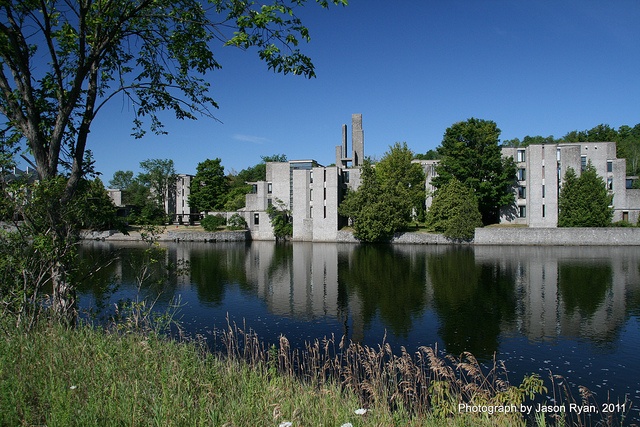
Program Overview
The Bachelor of Science - Chemistry (Honours) program at Trent University is designed to provide students with a comprehensive understanding of chemical principles and practices. This program emphasizes both theoretical knowledge and practical skills, preparing graduates for a variety of career paths in the field of chemistry. As part of Ontario's #1 undergraduate university, students will benefit from a supportive learning environment and access to state-of-the-art facilities. The program aims to foster critical thinking and problem-solving abilities, essential for success in scientific endeavors.
Program Structure
The Bachelor of Science - Chemistry (Honours) program is structured to ensure a thorough education in chemistry, combining both coursework and hands-on experiences. Key details of the program include:
- Program Length: Typically completed in four years.
- Credits: The program requires a total of 120 credits for graduation.
- Options: Students may have opportunities for co-op placements or internships to gain practical experience in the field.
This program is designed to equip students with the necessary skills and knowledge to excel in various chemistry-related careers, while also providing a solid foundation for further studies if desired.
Featured Experiences
- Hands-on laboratory work to apply theoretical knowledge in practical settings.
- Opportunities for co-op placements to gain real-world experience in the chemistry field.
- Access to modern research facilities and equipment.
- Collaboration with faculty on research projects, enhancing learning and professional development.
- Field experiences that may include partnerships with local industries and research institutions.
Career Options
Graduates of the Bachelor of Science - Chemistry (Honours) program can pursue a variety of career paths in Canada, including:
- Chemical Analyst: Conducts tests and analyses of substances to determine their composition and quality.
- Laboratory Technician: Supports scientific investigations by preparing samples and conducting experiments in a laboratory setting.
- Quality Control Chemist: Ensures that products meet required standards and specifications through rigorous testing and analysis.
- Research Scientist: Engages in scientific research to develop new products or improve existing ones, often working in academic or industrial settings.
- Environmental Chemist: Studies the effects of chemicals on the environment and develops strategies for pollution control and remediation.
DISCLAIMER: The information above is subject to change. For the latest updates, please contact LOA Portal's advisors.
Visit Trent University official website