
Last updated on 2025-12-03



























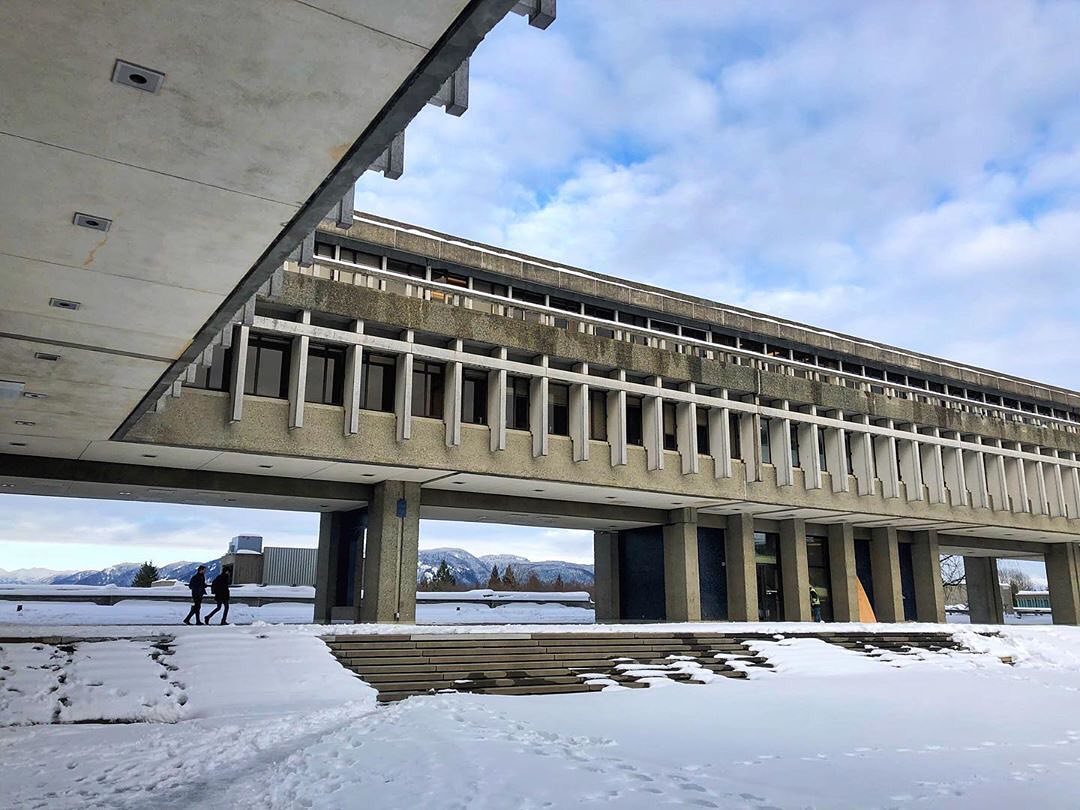









Program Overview
The Bachelor of Science in Health Care Systems is designed for students interested in understanding the complexities of health and disease, environmental impacts on communities, and the intricacies of multi-level health policy making. This program equips students with essential skills related to cellular, molecular, and behavioral mechanisms that influence population health, as well as chronic and infectious diseases. By engaging in this program, students will gain a comprehensive understanding of the health sciences field, preparing them for various roles in health care and policy.
Program Structure
The Bachelor of Science in Health Care Systems program is structured to provide a thorough education in health sciences over a period of four years. The program includes:
- Core courses that cover fundamental health science topics.
- Opportunities for hands-on learning through practical experiences.
- Options for co-op placements or internships to gain real-world experience.
- Interdisciplinary approaches that integrate various aspects of health care systems.
This comprehensive structure ensures that students are well-prepared for their future careers in health care and related fields.
Featured Experiences
- Co-op placements that allow students to gain valuable work experience in health care settings.
- Hands-on laboratory experiences to apply theoretical knowledge in practical situations.
- Field experiences that provide insights into real-world health care challenges.
- Joint partner programs that enhance learning through collaboration with health organizations.
Career Options
Graduates of the Bachelor of Science in Health Care Systems can pursue a variety of career paths in Canada, including:
- Health Policy Analyst: Evaluates and develops policies to improve health care systems and outcomes.
- Public Health Educator: Promotes health awareness and education within communities to improve public health.
- Health Services Manager: Oversees operations in health care facilities, ensuring efficient service delivery.
- Research Coordinator: Manages health research projects, collecting and analyzing data to inform health practices.
- Clinical Data Analyst: Analyzes health data to support decision-making and improve patient care.
DISCLAIMER: The information above is subject to change. For the latest updates, please contact LOA Portal's advisors.
Visit Simon Fraser University (SFU) official website