Last updated on 2026-05-11




Program overview
The College Diploma in Power Engineering Technology is designed to equip students with the essential skills and knowledge required to excel in the field of power engineering. This program focuses on the principles of power generation, transmission, and distribution, ensuring that graduates are well-prepared for the demands of the industry. Students will engage in hands-on learning experiences that enhance their understanding of power systems and technologies. The program emphasizes safety, efficiency, and sustainability, making it a vital choice for those looking to make a significant impact in the energy sector.
Program structure
The Power Engineering Technology program is structured to provide a comprehensive education over a two-year period. This program includes a blend of theoretical knowledge and practical application, ensuring that students are well-prepared for their future careers. Key features of the program structure include:
- Hands-on laboratory experiences to reinforce theoretical concepts.
- Opportunities for co-op placements, allowing students to gain real-world experience.
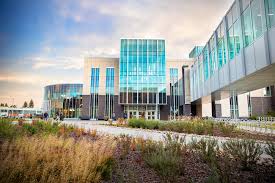
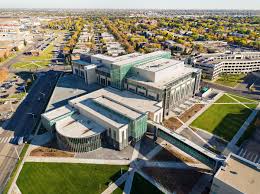
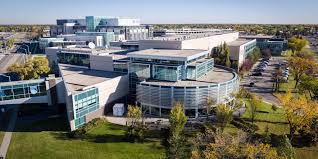
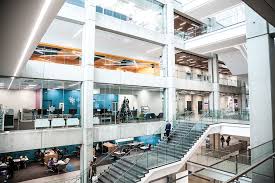
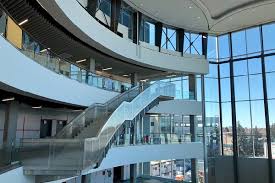
- Access to state-of-the-art facilities and equipment.
- Emphasis on safety and environmental considerations in power engineering.
Students will also have the chance to participate in various projects and collaborative learning experiences, enhancing their skills and preparing them for the workforce.
Featured Experiences
- Co-op placements that provide valuable industry experience and networking opportunities.
- Hands-on laboratory work that allows students to apply theoretical knowledge in practical settings.
- Field experiences that expose students to real-world power engineering challenges.
- Joint partner programs with industry leaders to enhance learning and career prospects.
- Access to modern facilities and equipment, ensuring students are trained on the latest technologies.
Career Options
- Power Plant Operator: Responsible for monitoring and controlling power generation equipment, ensuring efficient and safe operations.
- Energy Analyst: Analyzes energy consumption data to improve efficiency and reduce costs for organizations.
- Electrical Technician: Works on the installation, maintenance, and repair of electrical systems in various settings.
- Power Systems Engineer: Designs and develops power systems, focusing on reliability and sustainability.
- Field Service Technician: Provides on-site support and maintenance for power generation equipment and systems.
DISCLAIMER: The information above is subject to change. For the latest updates, please contact LOA Portal's advisors.
Visit Northern Alberta Institute of Technology (NAIT) official website