Last updated on 2026-03-23







Program overview
The Electronics Engineering Technology (Co-op) program at Niagara College is designed for those who wish to turn their passion for electronics into a fulfilling technical career. Graduates of this program will be equipped to tackle complex technical challenges in various fields, including fibre optics, systems control, telecommunications, and wireless communications. This program not only provides a solid foundation in electronics but also emphasizes hands-on experience through co-op opportunities, allowing students to apply their knowledge in real-world settings.
Program structure
The Electronics Engineering Technology (Co-op) program spans a three-year period, culminating in an Advanced Diploma. The program is structured to provide a blend of theoretical knowledge and practical experience, ensuring that students are well-prepared for the workforce. Key features of the program structure include:
- Program Length: 3 Years
- Co-op Opportunities: Students will participate in three co-op work terms, gaining valuable industry experience.
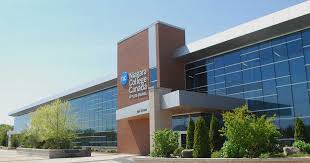
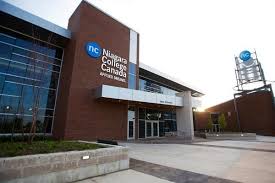
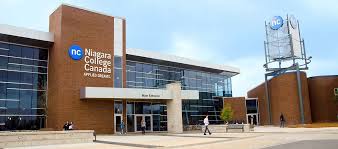
- Hands-on Learning: Access to modern equipment and spacious lab facilities enhances the learning experience.
- Certification Eligibility: Students can pursue the Amateur Radio Operators & Technician-Level Certification.
- Graduates may apply for certification with the Ontario Association of Certified Engineering Technicians & Technologists (OACETT).
Featured Experiences
The Electronics Engineering Technology (Co-op) program offers a variety of unique experiences that enhance the educational journey:
- Co-op Work Terms: Students engage in three paid co-op work terms, allowing them to apply classroom knowledge in real-world settings.
- Modern Lab Facilities: Students benefit from spacious labs equipped with the latest technology for hands-on learning.
- Certification Opportunities: Eligible students can complete the Amateur Radio Operators & Technician-Level Certification.
- Industry Connections: Co-op placements provide networking opportunities and references for future employment.
- Real-World Application: The program emphasizes practical skills, preparing students for immediate employment in the electronics field.
Career Options
Graduates of the Electronics Engineering Technology (Co-op) program can pursue a variety of career paths in Canada, including:
- Automation Engineer: Design and implement automated systems for manufacturing and production processes.
- Telecommunications Technician: Install and maintain telecommunications equipment and systems.
- Embedded Systems Designer: Develop and optimize embedded systems for various applications.
- Electronics Technician: Troubleshoot and repair electronic devices and systems.
- Field Service Engineer: Provide on-site support and maintenance for electronic equipment and systems.
These roles leverage the skills and knowledge gained during the program, ensuring graduates are well-prepared to meet industry demands.
DISCLAIMER: The information above is subject to change. For the latest updates, please contact LOA Portal's advisors.
Visit NC - Niagara College Canada official website