Last updated on 2025-07-14
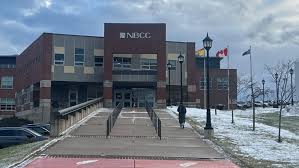
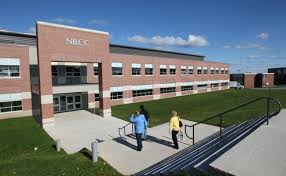
Program Overview
The Medical Laboratory Technology program at NBCC is designed for those who are passionate about working with laboratory equipment to conduct and analyze various tests. As a Medical Laboratory Technologist, you will evaluate the technical validity of bodily specimens and perform laboratory investigations that are crucial for diagnosing, treating, and preventing diseases. The demand for qualified Medical Laboratory Technologists is on the rise, making this a rewarding career choice where you can play a vital role in the healthcare team.
Program Structure
The Medical Laboratory Technology diploma program is structured to be completed within two and one-half years of full-time study. The program includes a blend of theoretical knowledge and practical experience, ensuring that students are well-prepared for their future careers. Key features of the program structure include:
- Hands-on laboratory training to develop essential skills.
- Clinical placements to gain real-world experience in various healthcare settings.
- Preparation for competency assessments in multiple fields of practice.
- Flexible scheduling options that may include days, evenings, weekends, and nights.
Students will also have opportunities for applied workplace experiences, which are crucial for gaining practical skills in the field.
Featured Experiences
- Clinical placements in hospitals and healthcare facilities, providing real-world experience.
- Hands-on training in laboratory settings to develop technical skills.
- Opportunities to work with advanced laboratory equipment and technology.
- Preparation for national certification examinations, enhancing employability.
- Exposure to various specialized areas within laboratory medicine, such as clinical chemistry, hematology, and microbiology.
Career Options
Graduates of the Medical Laboratory Technology program can pursue a variety of career paths in Canada, including:
- Medical Laboratory Technologist (MLT): Conduct laboratory tests and analyze results to assist in diagnosing diseases.
- Clinical Chemist: Specialize in analyzing body fluids to identify chemical imbalances and disease indicators.
- Hematology Technologist: Focus on blood analysis, including blood cell counts and coagulation studies.
- Microbiologist: Identify and study microorganisms that cause infections, playing a key role in public health.
- Histotechnologist: Prepare tissue samples for microscopic examination, aiding in the diagnosis of diseases.
These roles are essential in various settings, including hospitals, research centers, and public health organizations, offering strong job security and opportunities for advancement in the healthcare field.
DISCLAIMER: The information above is subject to change. For the latest updates, please contact LOA Portal's advisors.
Visit NBCC - New Brunswick Community College official website