Last updated on 2026-09-04




Program overview
This program is designed to help you become more marketable when seeking employment in the welding trade. You will gain the entry-level skills needed to give you a better chance of getting hired and becoming indentured as an apprentice. If you are looking for a career as a welder but have not been able to secure employment and begin the apprenticeship process, this program is an ideal choice.
Program structure
The Pre-Employment Welding program covers the same material as the traditional apprenticeship program, but students do not need to be employed or indentured to be accepted into this training. Upon successful completion, students will have skills equivalent to a first-year trades apprentice and will be eligible to write the Alberta Apprenticeship & Industry Training First Period Theory Exam for the welding trade.
Key details of the program include:
- Program Length: Varies
- Hands-on practice and safety training included
- Multiple opportunities to gain experience
- Certificate of Completion awarded upon successful completion
- Eligibility to challenge the Alberta Apprenticeship & Industry Training First Year Period Apprenticeship Exams (Practical and Theory)
Students will also have the chance to meet industry representatives and potential employers during the program, enhancing their job prospects significantly.
Featured Experiences
The Pre-Employment Welding program offers several unique features that enhance the learning experience:
- Extensive hands-on practice to develop practical skills
- Safety training to ensure a safe working environment
- Networking opportunities with industry representatives and potential employers
- Access to experienced instructors with industry contacts
- Preparation for the Alberta Apprenticeship & Industry Training exams
Career Options
Graduates of the Pre-Employment Welding program can pursue various career opportunities in Canada, including:
- Welder: Perform welding tasks in various industries, including construction and manufacturing.
- Fabricator: Create metal structures and components by cutting, shaping, and assembling materials.
- Welding Technician: Assist in the design and implementation of welding processes and techniques.
- Quality Control Inspector: Ensure that welding work meets industry standards and specifications.
- Maintenance Technician: Perform repairs and maintenance on welding equipment and machinery.
These roles provide a solid foundation for a successful career in the welding trade, with opportunities for advancement and specialization. The skills gained in this program will significantly enhance employability in the welding industry.
DISCLAIMER: The information above is subject to change. For the latest updates, please contact LOA Portal's advisors.
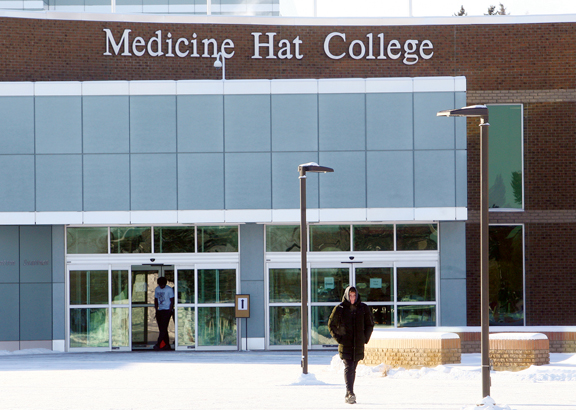
Visit Medicine Hat College official website