Last updated on 2026-06-09

Program overview
Join the Conservation Biology program at Fleming College and embark on a journey to conserve at-risk species and their habitats. This unique program emphasizes hands-on experience and applied research, equipping students with the skills necessary to address the urgent challenges of biodiversity loss. With a focus on practical skills in biodiversity monitoring, genetics, and conservation management, students will learn to make a real impact in the field of conservation biology. Your future as a Conservation Biologist starts here!
Program structure
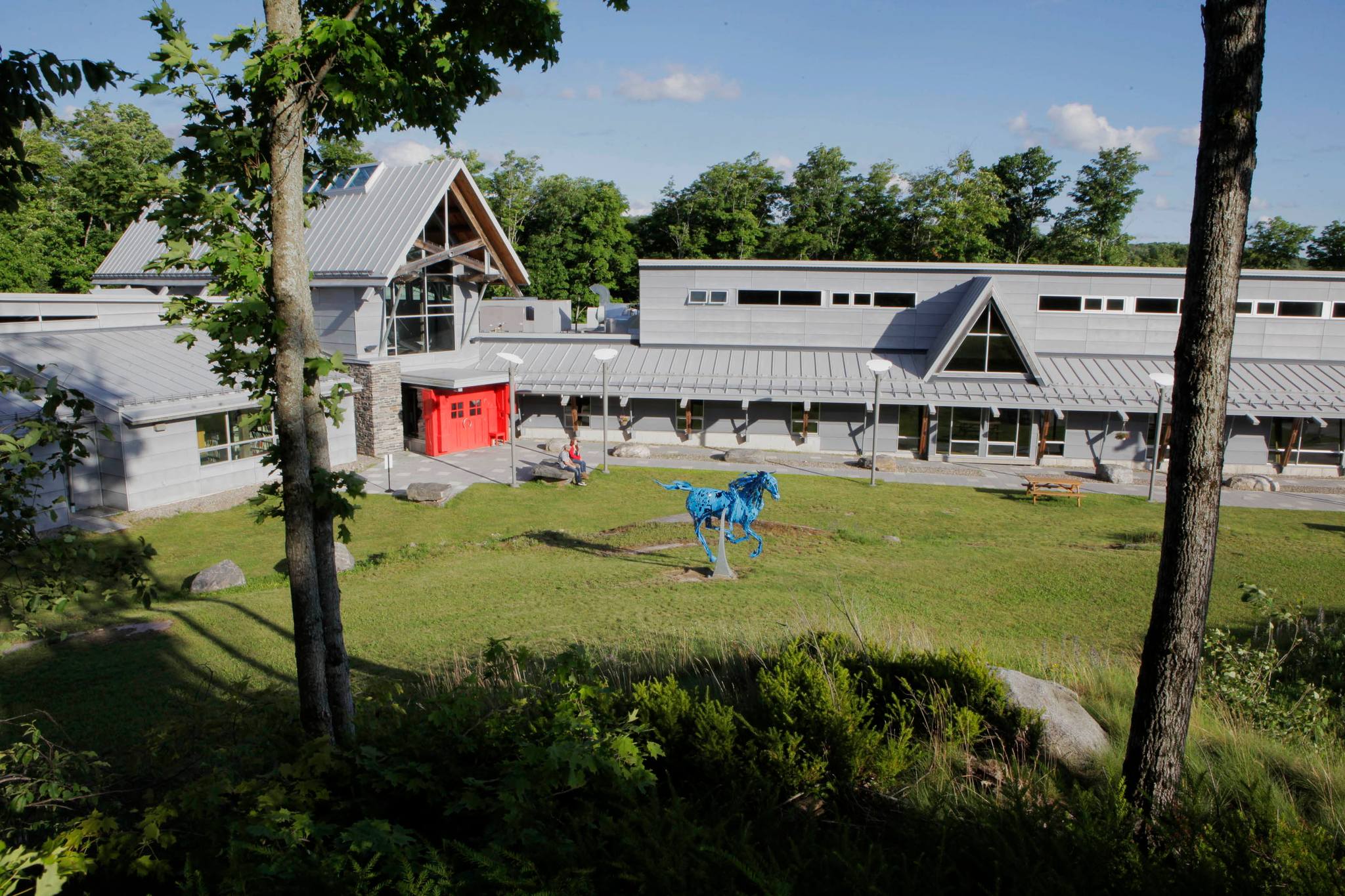
The Conservation Biology program at Fleming College is designed to provide a comprehensive education over a period of four semesters. The program is delivered in person at the Frost Campus, allowing students to engage directly with both field and lab environments. Key features of the program structure include:
- Hands-on Learning: Students will participate in extensive fieldwork, including terrestrial and aquatic surveys, and gain practical experience in conservation techniques.
- Capstone Project: In the final semester, students will complete a capstone-style project, allowing them to design and execute real conservation studies.
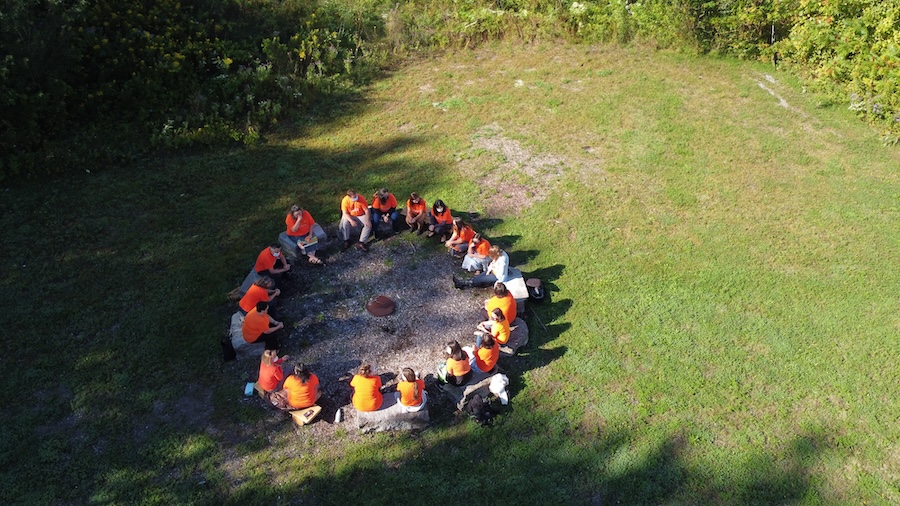
- Field Camp: A dedicated field camp in Semester 3 will further enhance practical skills.
- Collaboration with Conservation Partners: Students will work alongside external conservation organizations, gaining exposure to current practices in the field.
This program not only prepares students for immediate employment but also lays the groundwork for further studies in conservation and related fields.
Featured Experiences
The Conservation Biology program offers a variety of unique experiences that enhance learning and professional development:
- Field Surveys: Students will conduct field surveys to monitor wildlife and assess habitats.
- Applied Research Projects: Engage in hands-on research projects in collaboration with faculty and conservation partners.
- Field Camp: Participate in a dedicated field camp to develop practical skills in a real-world setting.
- Networking Opportunities: Build professional connections through partnerships with organizations like Kawartha Land Trust and Ontario Streams.
- Indigenous Perspectives Designation: An optional designation that provides a comprehensive understanding of Indigenous cultures and contributions to conservation.
These experiences ensure that students not only learn about conservation but actively participate in it, preparing them for successful careers in the field.
Career Options
Graduates of the Conservation Biology program can pursue a variety of career paths in Canada, including:
- Biological Technician/Technologist: Assist in biological and medical science research, conducting experiments and collecting data.
- Conservation Technician: Support conservation efforts by monitoring wildlife populations and habitats.
- Aquatic Biology Technician: Focus on the study and management of aquatic ecosystems, including fish and invertebrate populations.
- Fisheries Technician: Work with fisheries management to ensure sustainable practices and conservation of aquatic resources.
- Wildlife Resources Technician: Assist in the management and conservation of wildlife populations and their habitats.
These roles are critical in addressing the challenges of biodiversity loss and ensuring the sustainability of natural resources in Canada.
DISCLAIMER: The information above is subject to change. For the latest updates, please contact LOA Portal's advisors.
Visit Fleming College official website