Last updated on 2026-02-02









Program overview
The Robotics and Industrial Automation Graduate Certificate is a full-time program designed for individuals with a previous technical degree or diploma. This program prepares graduates for exciting careers in various fields, including mechatronic applications, advanced robotics, and industrial automation. Students will gain a blend of theoretical knowledge and practical skills, focusing on the control of robotic and automated equipment. The program culminates in a final term project that emphasizes industrial automation, ensuring that graduates are well-equipped for the demands of the industry.
Program structure
The Robotics and Industrial Automation Graduate Certificate program spans a duration of 2 years. It is delivered in a hybrid format, combining both in-person and online learning experiences. The program includes:
- Core courses that cover advanced programming, automation, and process controls.
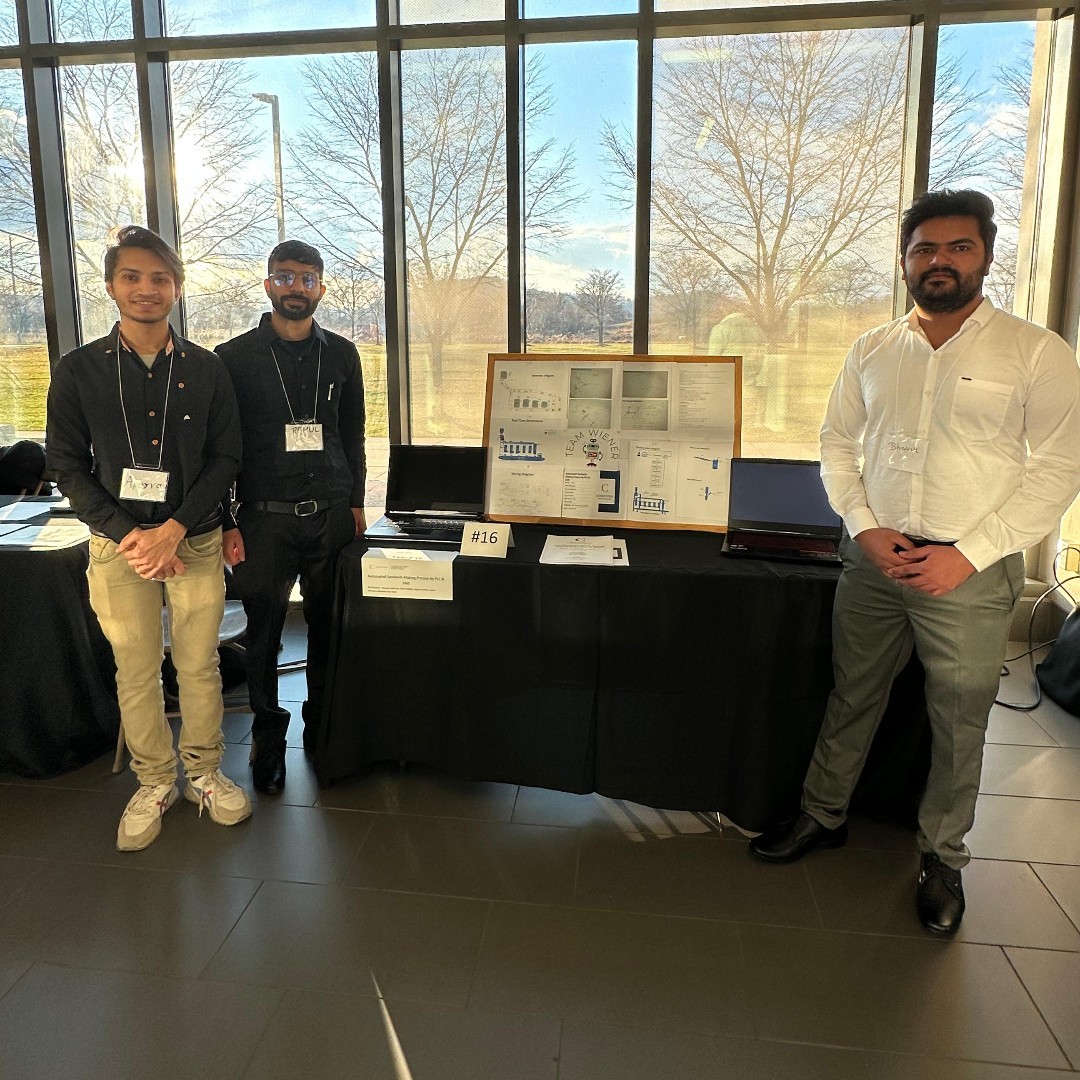
- A final term industrial automation project that allows students to apply their knowledge in a practical setting.
- An optional co-op stream, which includes a co-op work term instead of the Guided Career Management course.
This structure is designed to provide students with a comprehensive understanding of robotics and automation, preparing them for a successful career in the field.
Featured Experiences
The Robotics and Industrial Automation Graduate Certificate program offers several unique features that enhance the learning experience:
- Hands-on practical courses that mirror those in the Mechanical Engineering Technology Robotics and Automation Technology program.
- Access to the Lease Your Own Device (LYOD) program, ensuring students have the necessary technology for their studies.
- Optional co-op opportunities that allow students to gain real-world experience while earning money.
- Final term project focused on industrial automation, providing a capstone experience for students.
Career Options
Graduates of the Robotics and Industrial Automation Graduate Certificate program can pursue a variety of career paths in Canada, including:
- Robotics Engineer: Design and develop robotic systems for various applications, including manufacturing and healthcare.
- Automation Technician: Implement and maintain automated systems in industrial settings, ensuring efficiency and productivity.
- Mechatronics Engineer: Work on the integration of mechanical, electronic, and software systems in robotics and automation.
- Control Systems Engineer: Design and optimize control systems for automated processes and machinery.
- Industrial Automation Specialist: Focus on improving manufacturing processes through automation technologies and systems.
These roles highlight the diverse opportunities available to graduates, allowing them to make significant contributions to the field of robotics and industrial automation.
DISCLAIMER: The information above is subject to change. For the latest updates, please contact LOA Portal's advisors.
Visit Conestoga College official website