Last updated on 2026-02-02














Program overview
The Information Technology Infrastructure Graduate Certificate is a one-year program designed to equip students with essential skills in network and systems administration. This program emphasizes hands-on application, allowing students to engage with practical techniques that are vital in modern IT enterprise infrastructure management. Graduates will be prepared to take on IT administration roles or pursue further studies in specialized areas such as security, networking, and operations.
Program structure
The Information Technology Infrastructure Graduate Certificate program is structured to provide a comprehensive learning experience over a period of 1 year, divided into two academic terms. The program is delivered in a full-time format, allowing students to immerse themselves in the curriculum and gain practical experience. Key features of the program include:
- Hands-on application of network and systems administration practices.
- Focus on deployment and configuration of network operating systems.
- Preparation for professional certification exams from various organizations.
- Opportunities for advanced studies in related fields.
This structure ensures that students not only learn theoretical concepts but also apply them in real-world scenarios, enhancing their readiness for the job market.
Featured Experiences
- Co-operative education opportunities to gain real-world experience.
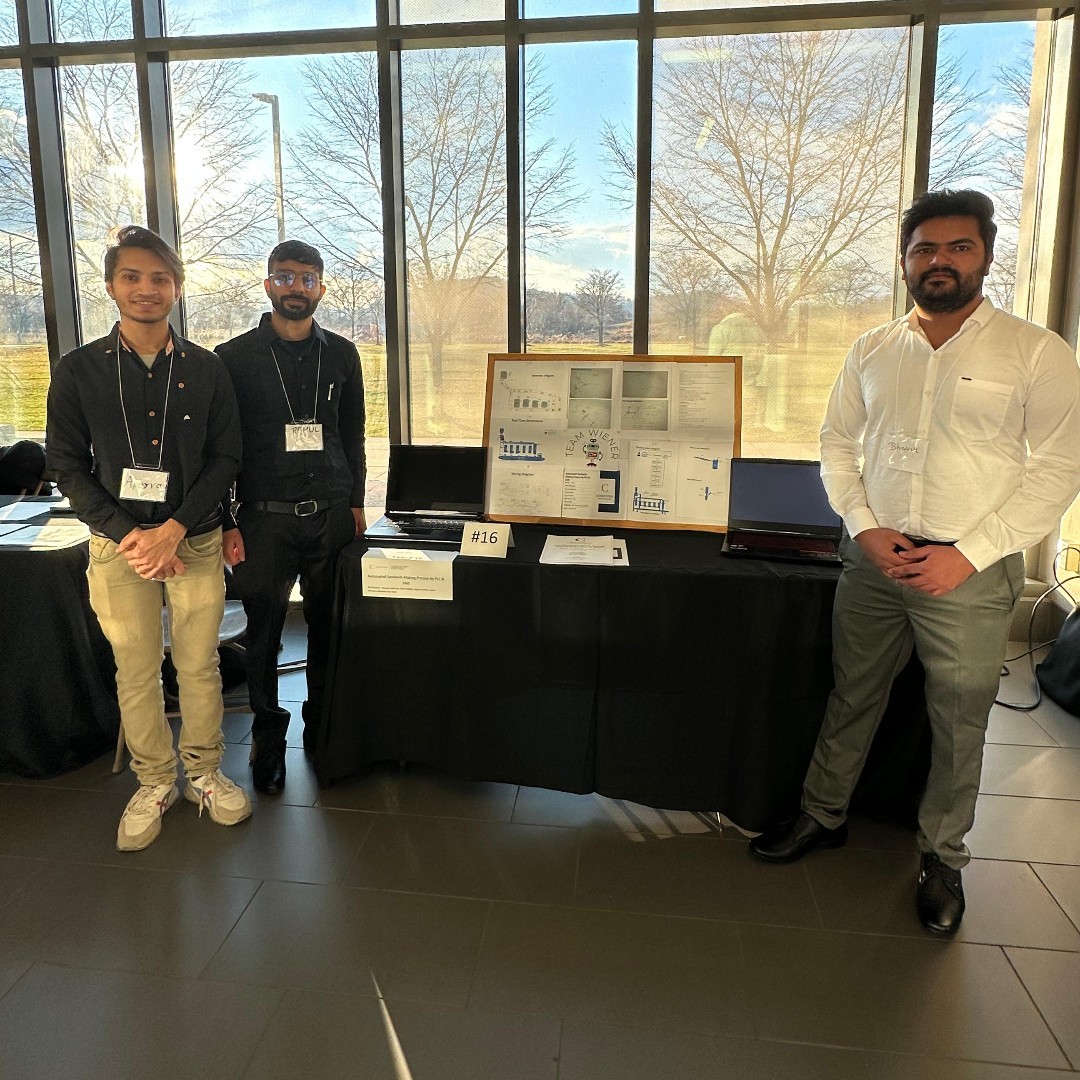
- Access to modern lab facilities for practical learning.
- Collaboration with industry partners for project-based learning.
- Engagement in hands-on projects that simulate real IT environments.
- Networking opportunities with professionals in the field.
Career Options
- Network Administrator: Responsible for managing and maintaining computer networks, ensuring optimal performance and security.
- Systems Administrator: Focuses on the configuration and upkeep of computer systems and servers, ensuring they run smoothly.
- IT Support Specialist: Provides technical support and troubleshooting for hardware and software issues within an organization.
- Cybersecurity Analyst: Works to protect an organization’s computer systems and networks from cyber threats and attacks.
- Technical Consultant: Advises businesses on technology solutions and best practices to improve their IT infrastructure.
DISCLAIMER: The information above is subject to change. For the latest updates, please contact LOA Portal's advisors.
Visit Conestoga College official website