Last updated on 2026-02-02












Program overview
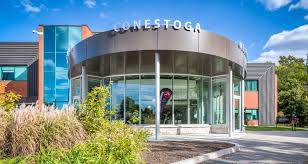
The Graduate Certificate in Environmental Engineering Applications at Conestoga College is designed to meet the growing demand for trained environmental specialists. This program focuses on developing creative solutions to pressing environmental issues, such as contaminated site clean-up, risk assessment, and regulatory compliance. It is ideal for college or university graduates looking to enhance their technical skills and competencies for a career in the environmental sector. The program prepares students to tackle contemporary environmental challenges and equips them with the necessary knowledge to write certification exams, such as the Ministry of Environment Conservation and Parks Operator in Training (OIT) and Water Quality Analyst (WQA).
Program structure
The Graduate Certificate in Environmental Engineering Applications is structured to be completed in 1 year, consisting of two academic terms followed by an optional co-op term. The program is delivered in a hybrid format, combining both in-person and online learning experiences. Key features of the program structure include:
- Two academic terms focused on theoretical knowledge and practical skills.
- Optional co-op work term to gain real-world experience in the field.
- Hands-on training with industry-standard equipment and software.
- Collaboration with practicing environmental professionals to ensure course relevance.
- Real-world projects under the mentorship of experienced environmental engineers and technologists.
This comprehensive structure ensures that students are well-prepared for the environmental workforce upon graduation.
Featured Experiences
The Graduate Certificate in Environmental Engineering Applications offers several unique experiences that enhance learning and professional development:
- Hands-on training with equipment used for environmental data collection.
- Opportunities to work on real-world projects with practicing environmental professionals.
- Optional mock employment interviews to prepare for job searches.
- Partnerships with employers to keep course content relevant and aligned with industry needs.
- Access to mentorship from experienced environmental engineers, technologists, and scientists.
These experiences are designed to provide students with practical skills and networking opportunities that are essential for success in the environmental field.
Career Options
Graduates of the Graduate Certificate in Environmental Engineering Applications can pursue a variety of career paths in Canada, including:
- Environmental Technician: Responsible for conducting field tests and collecting data to assess environmental conditions.
- Environmental Consultant: Works with organizations to develop strategies for compliance with environmental regulations and sustainability practices.
- Site Remediation Specialist: Focuses on cleaning up contaminated sites and restoring them to safe conditions.
- Regulatory Compliance Officer: Ensures that organizations adhere to environmental laws and regulations.
- Water Quality Analyst: Monitors and analyzes water samples to ensure safety and compliance with health standards.
These roles highlight the diverse opportunities available to graduates, allowing them to make a significant impact in the field of environmental engineering.
DISCLAIMER: The information above is subject to change. For the latest updates, please contact LOA Portal's advisors.
Visit Conestoga College official website