Last updated on 2026-01-30









Program Overview
Students in the Emergency Management – Community Support and Preparedness program will utilize a multi-agency, systems-level approach to explore interoperability considerations among government, NGOs, Indigenous communities, and the private sector in emergency management. Through engaging scenario and case study-based activities, students will delve into the five pillars of emergency management: prevention, mitigation, preparedness, response, and recovery. The program is informed by the Incident Management System (IMS) and International Association of Emergency Managers certifications, allowing graduates to become members of both organizations. Students will be equipped to manage the continuous phases of these pillars using critical incident command, critical infrastructure management, and critical communications. Additionally, the examination of business continuity elements will support risk management and mitigation strategies for small- to mid-sized enterprises (SMEs).
Program Structure
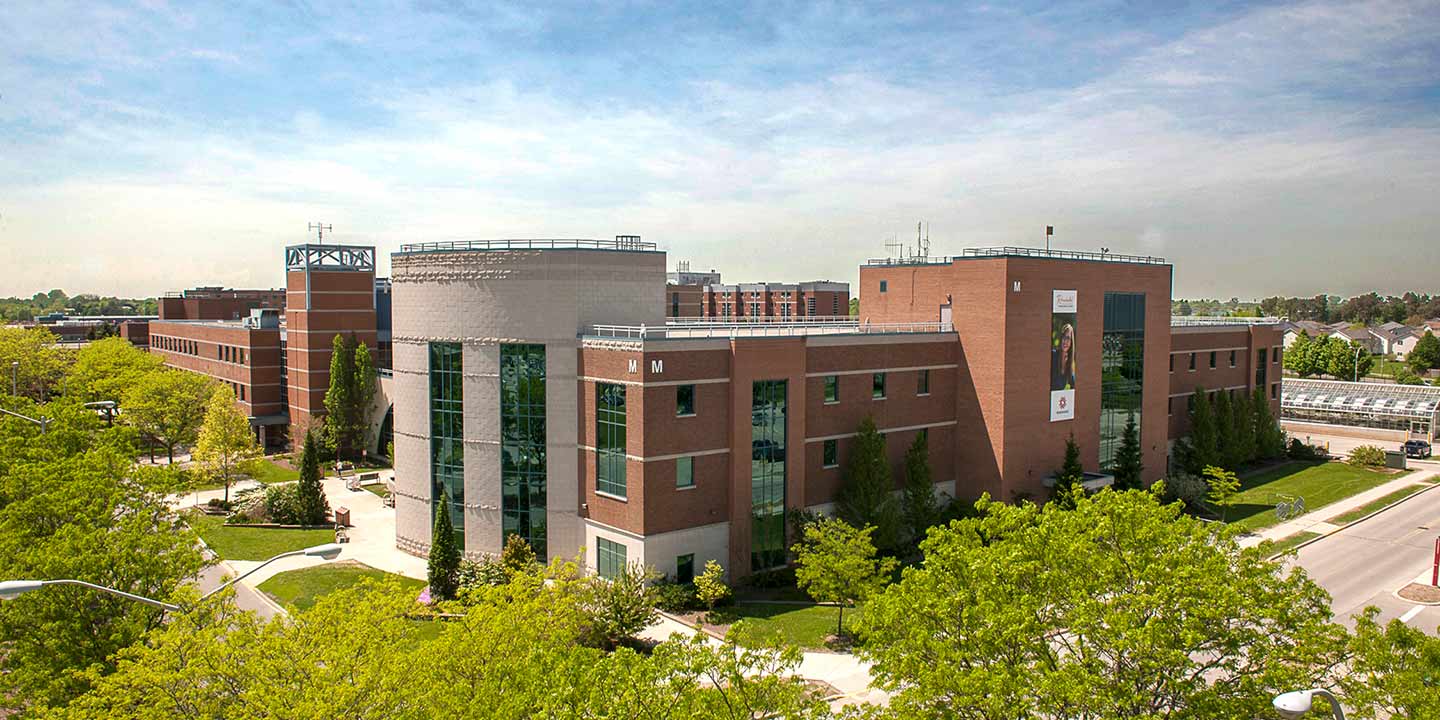
The Emergency Management – Community Support and Preparedness program is structured over a duration of 2 semesters. This graduate certificate program is designed to provide students with a comprehensive understanding of emergency management principles and practices. The program is available at the Progress Campus and offers various options for students to enhance their learning experience. These options may include:
- Field placements to gain practical experience in real-world settings.
- Opportunities for collaboration with community partners.
Students will engage in a curriculum that emphasizes both theoretical knowledge and practical application, preparing them for a successful career in emergency management.
Featured Experiences
- Field placements that provide hands-on experience in emergency management settings.
- Scenario-based learning that simulates real-life emergency situations.
- Collaboration with community partners to enhance practical understanding.
- Access to certifications from the Incident Management System (IMS) and the International Association of Emergency Managers.
- Case study analysis to explore various emergency management scenarios.
Career Options
Graduates of the Emergency Management – Community Support and Preparedness program can pursue a variety of career paths in Canada, including:
- Emergency Manager: Responsible for planning and coordinating emergency response efforts and ensuring community preparedness.
- Emergency Dispatcher: Handles emergency calls and coordinates response teams during crises.
- Emergency Coordinator: Works with organizations to develop and implement emergency plans and training programs.
- Emergency Management Specialist: Analyzes and evaluates emergency management policies and practices to improve community resilience.
- Emergency Preparedness Coordinator: Develops and oversees programs that prepare communities for potential emergencies and disasters.
DISCLAIMER: The information above is subject to change. For the latest updates, please contact LOA Portal's advisors.
Visit Centennial College official website