Last updated on 2026-09-11






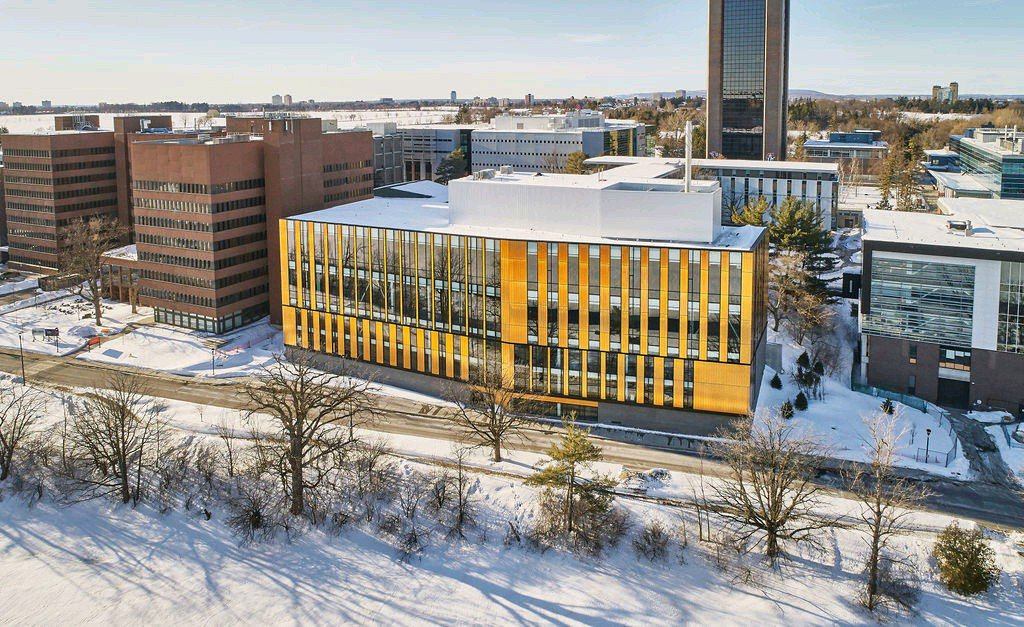






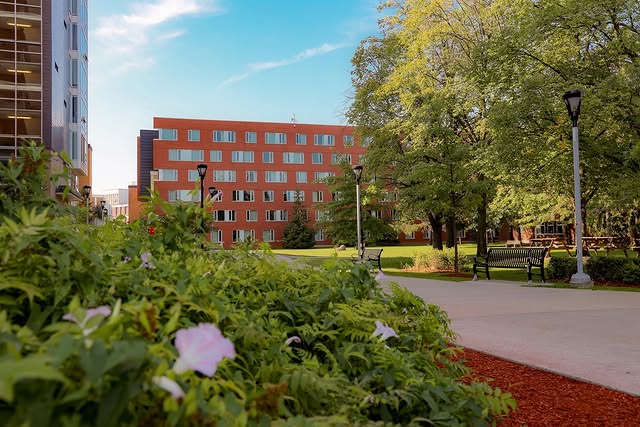

Program Overview
The Bachelor of Science (Honours) in Bioinformatics at Carleton University is designed to integrate modern biology with computational tools. This program emphasizes the application of computer science, information science, mathematics, and statistics to analyze vast datasets in life, environmental, and health sciences. Students will explore critical areas such as gene identification, drug interactions, and biodiversity, preparing them for the forefront of personalized medicine and environmental management. The interdisciplinary approach ensures that graduates are well-equipped to tackle complex biological problems using innovative techniques.
Program Structure
The Bachelor of Science (Honours) in Bioinformatics program is structured to provide a comprehensive education in both biological sciences and computational methods. Key details include:
- Credits: The program requires a total of 120 credits for graduation.
- Co-op Option: An optional co-op program is available, allowing students to gain practical work experience.
This program is designed to ensure that students not only learn theoretical concepts but also apply them in real-world settings, enhancing their employability upon graduation.
Featured Experiences
- Co-op opportunities that provide hands-on experience in the field.
- Interdisciplinary learning that combines biology, computer science, and statistics.
- Access to advanced computational tools and techniques for data analysis.
- Engagement in projects that address real-world biological challenges.
Career Options
Graduates of the Bachelor of Science (Honours) in Bioinformatics can pursue a variety of career paths in Canada, including:
- Big Data Analyst: Analyze large datasets to extract meaningful insights for decision-making.
- Biodiversity Monitor: Assess and manage biodiversity data to support conservation efforts.
- Biomedical Researcher: Conduct research to develop new medical treatments and technologies.
- Biostatistician: Apply statistical methods to analyze biological data and inform public health decisions.
- Data Manager: Oversee data collection, storage, and analysis processes in research settings.
These roles highlight the diverse opportunities available to graduates, reflecting the program's emphasis on interdisciplinary skills and practical experience.
DISCLAIMER: The information above is subject to change. For the latest updates, please contact LOA Portal's advisors.
Visit Carleton University official website