Last updated on 2026-09-11


Program Overview
The Bachelor of Engineering in Architectural Conservation and Sustainability is designed to address the increasing demand for engineers skilled in heritage conservation and sustainable building practices. This program emphasizes a modern approach to building design and retrofitting, prioritizing sustainability while honoring architectural history. Students will learn to evaluate life cycle costs, environmental impacts, and the effective reuse of existing structures, ensuring a comprehensive understanding of both conservation and sustainability in engineering.
Program Structure
The Architectural Conservation and Sustainability Engineering program is structured to provide a robust educational foundation for aspiring engineers. Key details include:
- Program Length: Typically spans four years.
- Credits: Completion of a specified number of credits is required for graduation.
- Co-op Option: An optional co-op program is available, allowing students to gain practical work experience.
- Internship Opportunity: A first-year internship is also offered to enhance early career exploration.
This program is fully accredited by the Canadian Engineering Accreditation Board, ensuring that graduates meet the educational requirements to register as professional engineers.
Featured Experiences
- Co-op Program: Provides students with the chance to gain valuable work experience while studying.
- First-Year Internship: An opportunity for students to engage in practical experiences early in their academic journey.
- Hands-On Learning: Students will work on real-world projects, including significant restoration efforts like the Canadian Parliament.
Career Options
Graduates of the Architectural Conservation and Sustainability Engineering program can pursue a variety of career paths in Canada, including:
- Air Quality Control Specialist: Focuses on monitoring and improving air quality in buildings and urban environments.
- Conservation Engineer: Works on preserving and restoring historical structures while ensuring they meet modern standards.
- Green Building Designer: Specializes in creating environmentally friendly and sustainable building designs.
- Heritage Conservationist: Engages in the protection and management of heritage sites and buildings.
- Structural Analyst: Evaluates the integrity and safety of structures, ensuring they meet engineering standards.
- Waste Management Consultant: Develops strategies for effective waste reduction and management in construction projects.
DISCLAIMER: The information above is subject to change. For the latest updates, please contact LOA Portal's advisors.
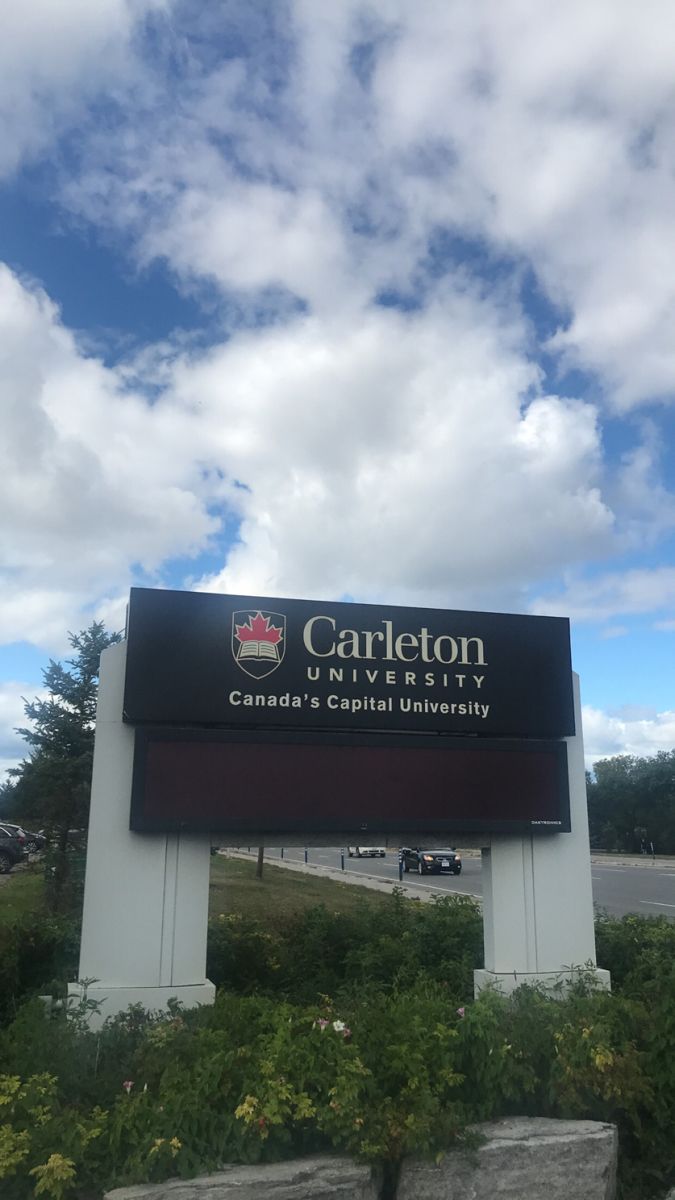
Visit Carleton University official website