Last updated on 2025-11-25
























Program overview
The Master of Music Therapy (MMT) is the longest-running graduate music therapy degree in Canada, offered by the Faculty of Graduate and Postdoctoral Studies and the Faculty of Music at Laurier. This program emphasizes a philosophy centered around music psychotherapy, clinical musicianship, and psychotherapeutic techniques. Students engage in a blend of clinical, theoretical, and experiential practices, fostering a creative learning environment. The MMT program is available in both a two-year format and a one-year option for those who already hold a Bachelor of Music Therapy. Graduates are well-prepared to enter the field of music therapy, equipped with the necessary skills and knowledge to make a significant impact in various settings.
Program structure
The Master of Music Therapy program is structured to provide comprehensive training in music therapy and psychotherapy. Key details include:
- Program Length: The program can be completed in one year or two years, depending on the applicant's prior qualifications.
- Internship Opportunities: Students in the two-year program can complete a supervised (unpaid) 1000-hour internship organized by Laurier, approved by the Canadian Association of Music Therapists (CAMT).
- Placement Courses: The program includes multiple placements linked with classroom courses, allowing students to work with various client populations.
- Field Options: The one-year program offers two fields: Music Therapy Field and Music Psychotherapy Field, each with distinct course requirements and practicum experiences.
Students will gain hands-on experience through placements at Laurier’s on-site clinic and in community settings, ensuring a well-rounded education that integrates theory with practice.
Featured Experiences
- Supervised Internships: The two-year program includes a full-time, three-month internship at an off-campus setting.
- Clinical Placements: Students participate in five music psychotherapy placements, including a full-time internship and weekly placements in their final year.
- Research Opportunities: Students can conduct a Major Research Paper (MRP) and have access to the Manfred and Penny Conrad Institute for Music Therapy Research.
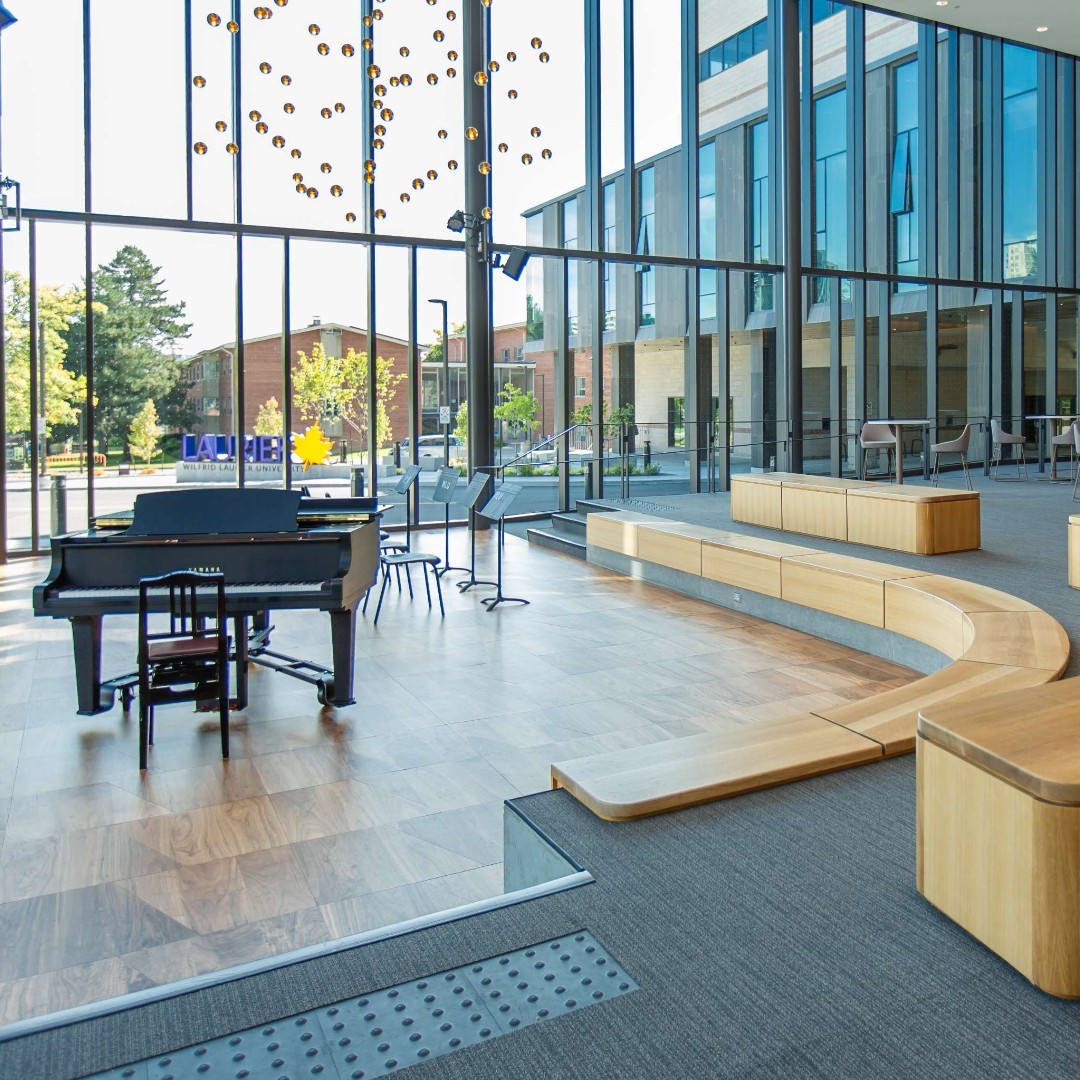
- Unique Facilities: The program features the only clinical improvisation analysis and low frequency sound lab in Canada, equipped with advanced technology for research and clinical practice.
- Qualified Supervision: All placements are supervised by qualified and experienced music therapists, ensuring high-quality learning experiences.
Career Options
Graduates of the Master of Music Therapy program can pursue a variety of career paths in Canada, including:
- Music Therapist: Work in healthcare settings, providing therapeutic music interventions to patients in hospitals or rehabilitation centers.
- Music Psychotherapist: Specialize in using music as a therapeutic tool to address psychological issues in clinical settings.
- Music Therapy Supervisor: Oversee and mentor other music therapists in clinical practice, ensuring adherence to professional standards.
- Community Practice Owner: Establish and manage a private practice offering music therapy services to diverse populations.
- University Professor and Researcher: Teach and conduct research in music therapy at academic institutions, contributing to the field's knowledge base.
These roles highlight the versatility and demand for music therapy professionals in various sectors, including healthcare, education, and private practice.
DISCLAIMER: The information above is subject to change. For the latest updates, please contact LOA Portal's advisors.
Visit WLU - Wilfrid Laurier University official website