Last updated on 2025-11-21



Program overview
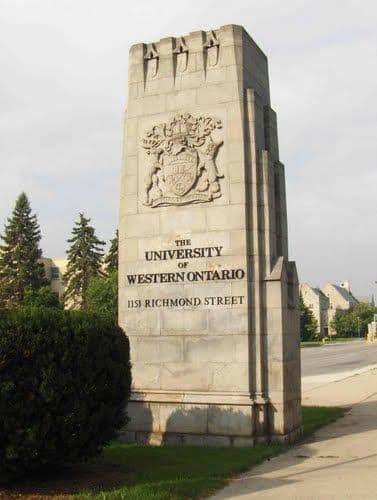
The Bachelor of Arts in Anthropology with a focus on Archaeology and Biology at Western University offers a comprehensive exploration of human behavior, biology, and society through a cross-cultural lens. This program combines scientific and humanistic interests, making it one of the broadest academic disciplines. Students will engage in the study of humans across various cultures and time periods, preparing them for diverse career opportunities in anthropology and related fields. The program emphasizes critical thinking, research methodologies, and the appreciation of cultural diversity, equipping graduates with the skills necessary for success in a globalized world.
Program structure
The Bachelor of Arts in Anthropology - Archaeology and Biology program is designed to provide students with a robust understanding of anthropological principles and methodologies. The program is structured as follows:
- Program Length: Typically spans four years.
- Students can choose from various modules, including Major and Specialization options.
- Opportunities for hands-on learning through fieldwork and research projects.
- Students may have options for co-op placements or internships to gain practical experience.
This structure ensures that students not only gain theoretical knowledge but also practical skills that are essential for their future careers.
Featured Experiences
- Fieldwork opportunities that allow students to engage directly with archaeological sites and biological research.
- Access to specialized labs and resources for hands-on learning in anthropology.
- Joint partner programs that may enhance learning through collaboration with other institutions.
- Research projects that involve community engagement and real-world applications of anthropological methods.
- Participation in the Anthropology Club, fostering a community of like-minded students.
Career Options
- Archaeologist: Conducts excavations and analyzes artifacts to understand past human cultures.
- Biological Anthropologist: Studies the biological aspects of humans, including evolution and genetics.
- Cultural Resource Manager: Works to preserve and manage cultural heritage sites and artifacts.
- Forensic Anthropologist: Applies anthropological methods to assist in legal investigations, particularly in identifying human remains.
- Researcher: Engages in academic or applied research in various fields related to anthropology, contributing to knowledge and policy development.
DISCLAIMER: The information above is subject to change. For the latest updates, please contact LOA Portal's advisors.
Visit Western University official website