Last updated on 2025-12-11





Program overview
The Engineering Transfer Diploma at Vancouver Island University is designed to provide students with a solid foundation in engineering principles. This program serves as a pathway for students aiming to continue their studies in engineering at various prestigious universities, including Simon Fraser University, University of Victoria, and University of Alberta. By completing this diploma, students can gain guaranteed admission into the second year of engineering programs at UVic, provided they meet the required GPA and course grades. This program not only equips students with essential engineering knowledge but also prepares them for further academic pursuits in the field.
Program structure
The Engineering Transfer Diploma program spans a duration of 2 years and is structured to facilitate a smooth transition into engineering degree programs at partner universities. The program includes:
- Two years of comprehensive coursework covering essential engineering topics.
- Options for co-op placements, allowing students to gain practical experience in the field.
- A pathway to exit with an Engineering Transfer Certificate after the first year, upon completion of required courses.
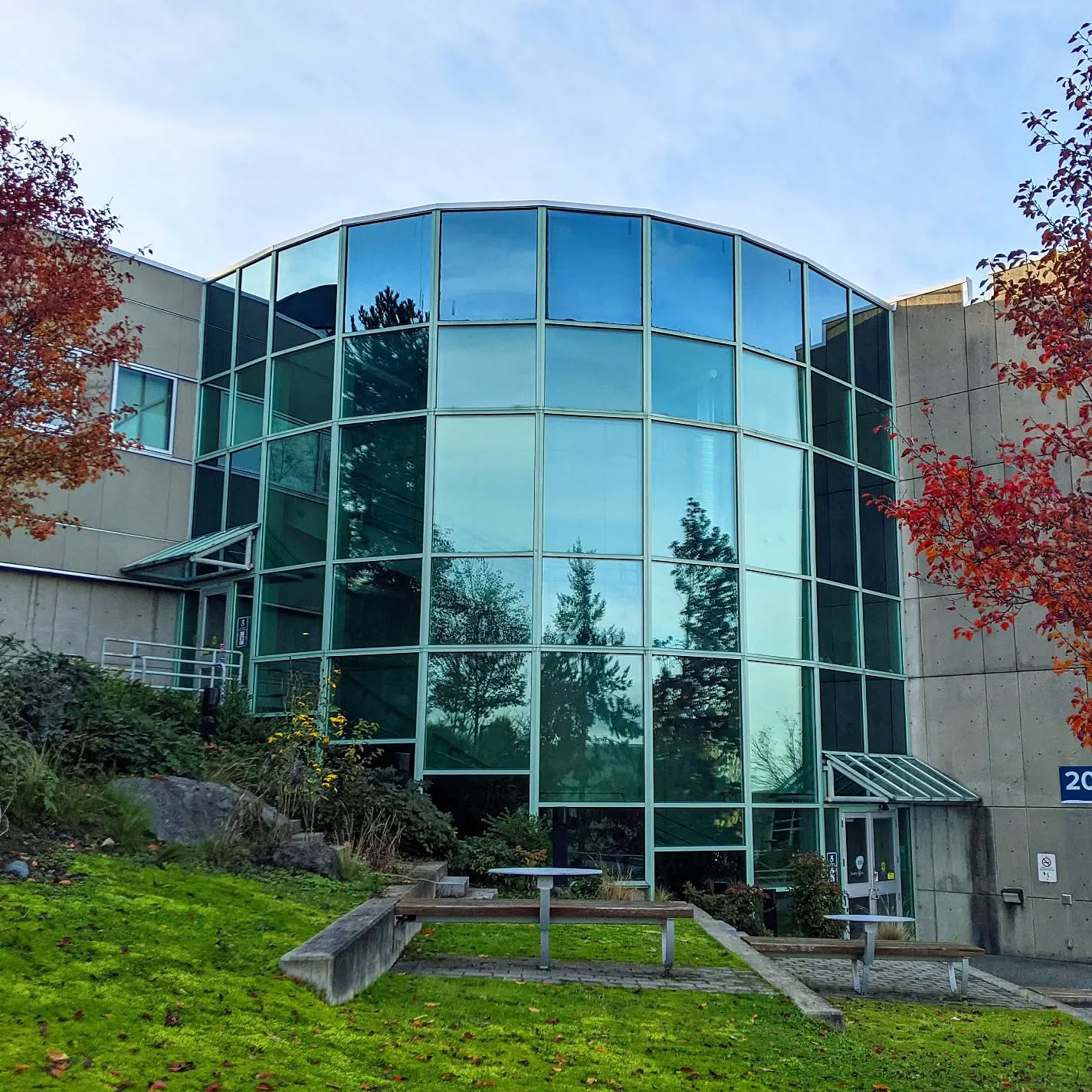
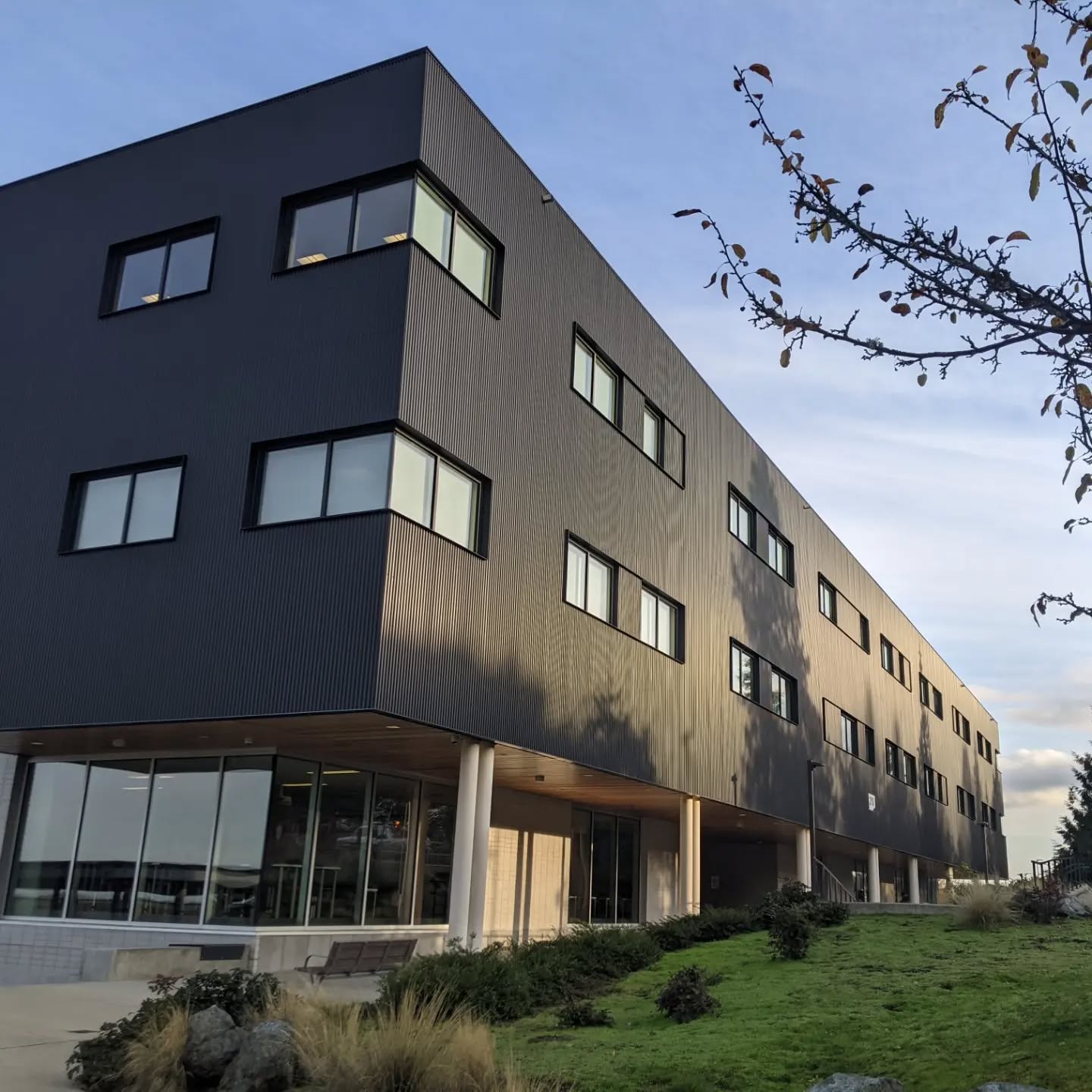
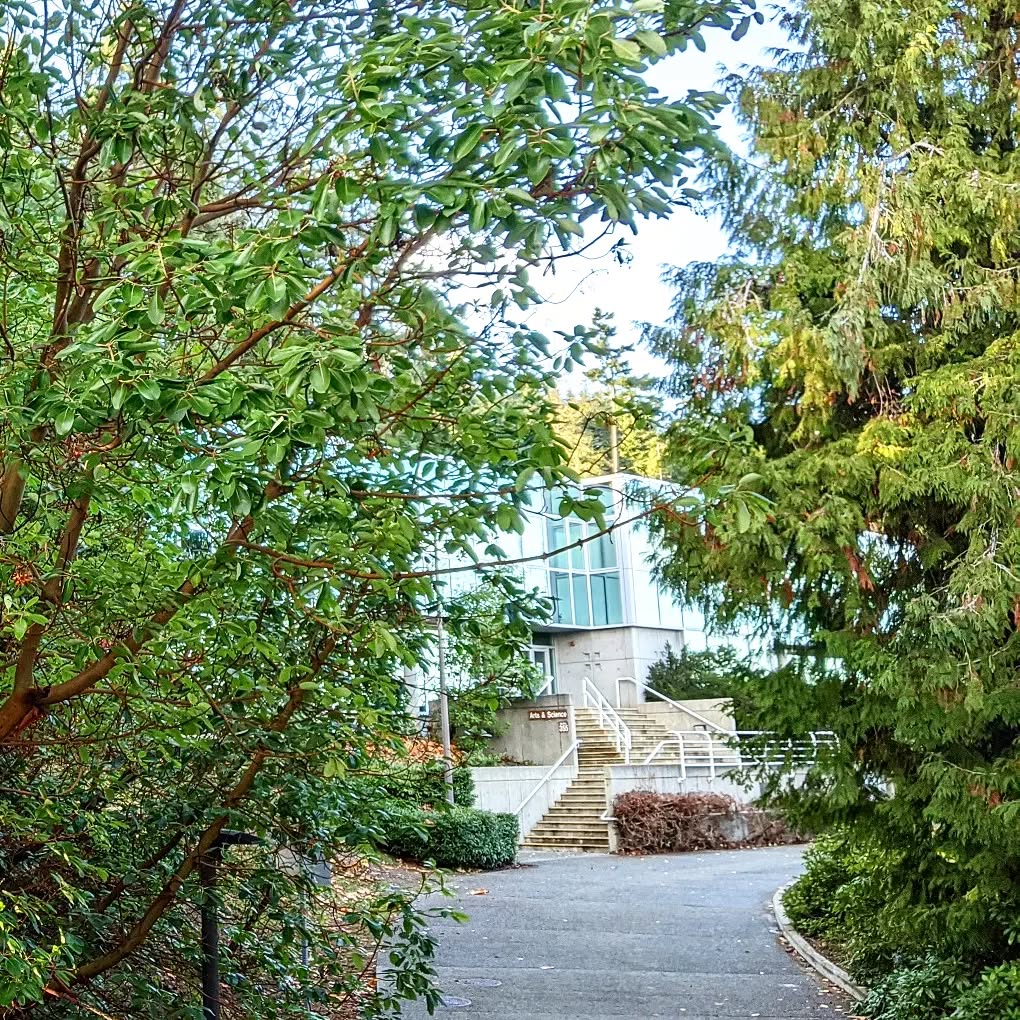
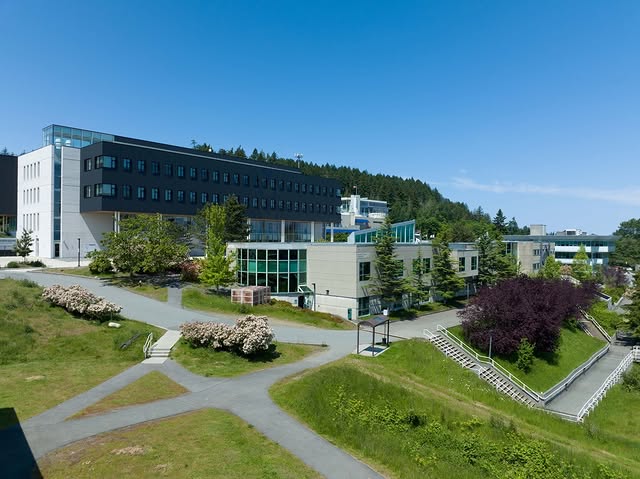
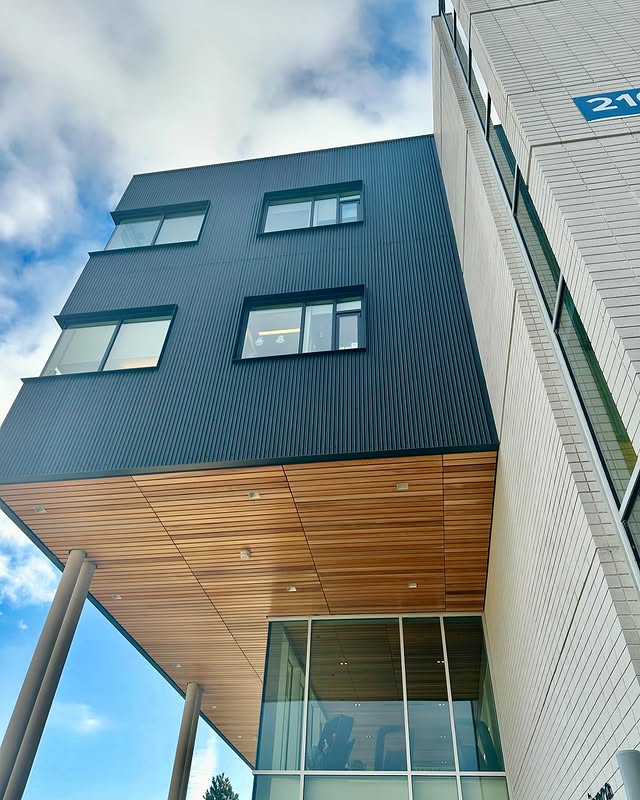
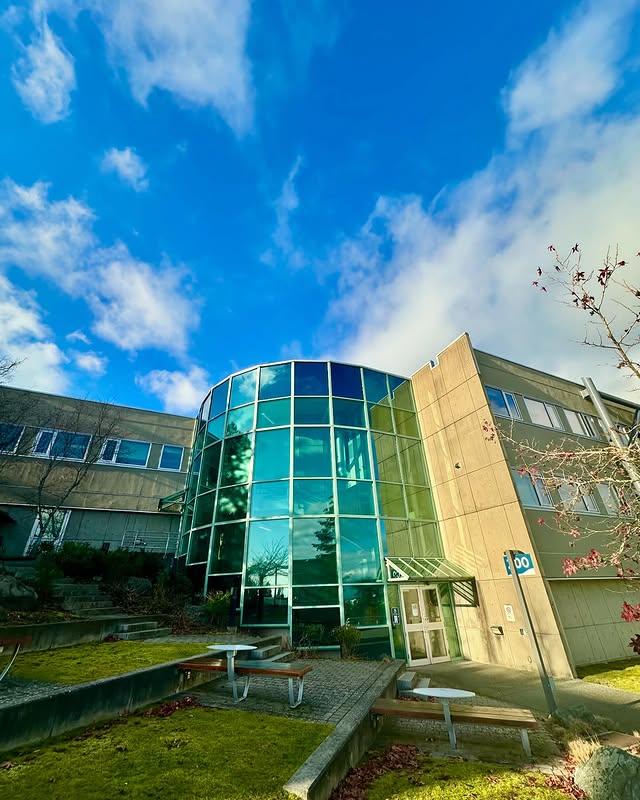
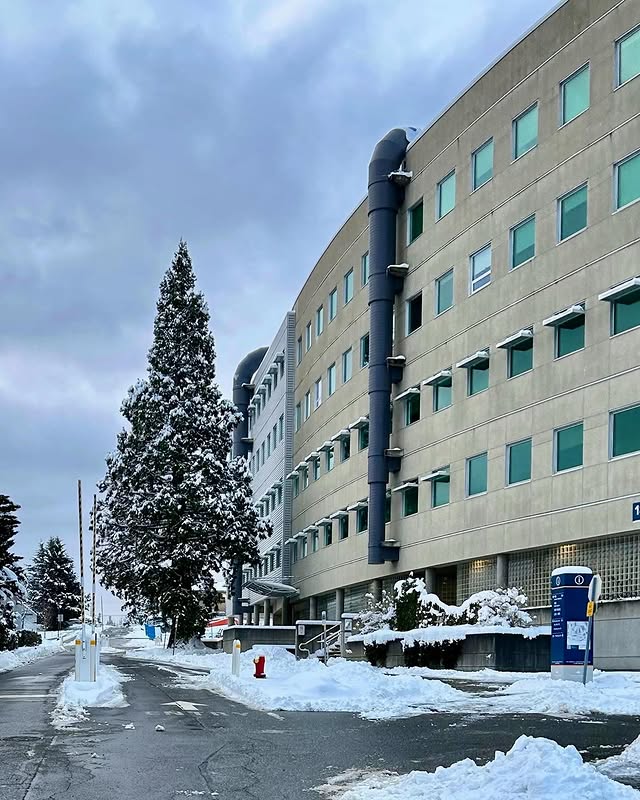
Students will engage in a variety of subjects that prepare them for advanced studies, ensuring they meet the prerequisites for transferring to their chosen engineering institution. The program is offered at the Nanaimo campus, providing a supportive learning environment for all students.
Featured Experiences
- Co-op Opportunities: Students can participate in an optional co-op program, gaining valuable hands-on experience in the engineering field.
- Transfer Pathways: The program is aligned with the BC Common First-Year Engineering Curriculum, facilitating transfers to multiple universities.
- Guaranteed Admission: Students who complete the diploma with the required GPA are guaranteed admission into the second year of engineering at UVic.
- Practical Learning: The curriculum includes a mix of theoretical and practical components, preparing students for real-world engineering challenges.
Career Options
- Mechanical Engineer: Design and develop mechanical systems, working in industries such as automotive, aerospace, and manufacturing.
- Civil Engineer: Plan and oversee construction projects, ensuring compliance with safety regulations and environmental standards.
- Electrical Engineer: Work on electrical systems and components, including power generation, transmission, and distribution.
- Software Engineer: Develop software solutions for engineering applications, focusing on programming and system design.
- Project Engineer: Manage engineering projects from conception to completion, coordinating teams and resources to meet project goals.
DISCLAIMER: The information above is subject to change. For the latest updates, please contact LOA Portal's advisors.
Visit VIU - Vancouver Island University official website