Program overview
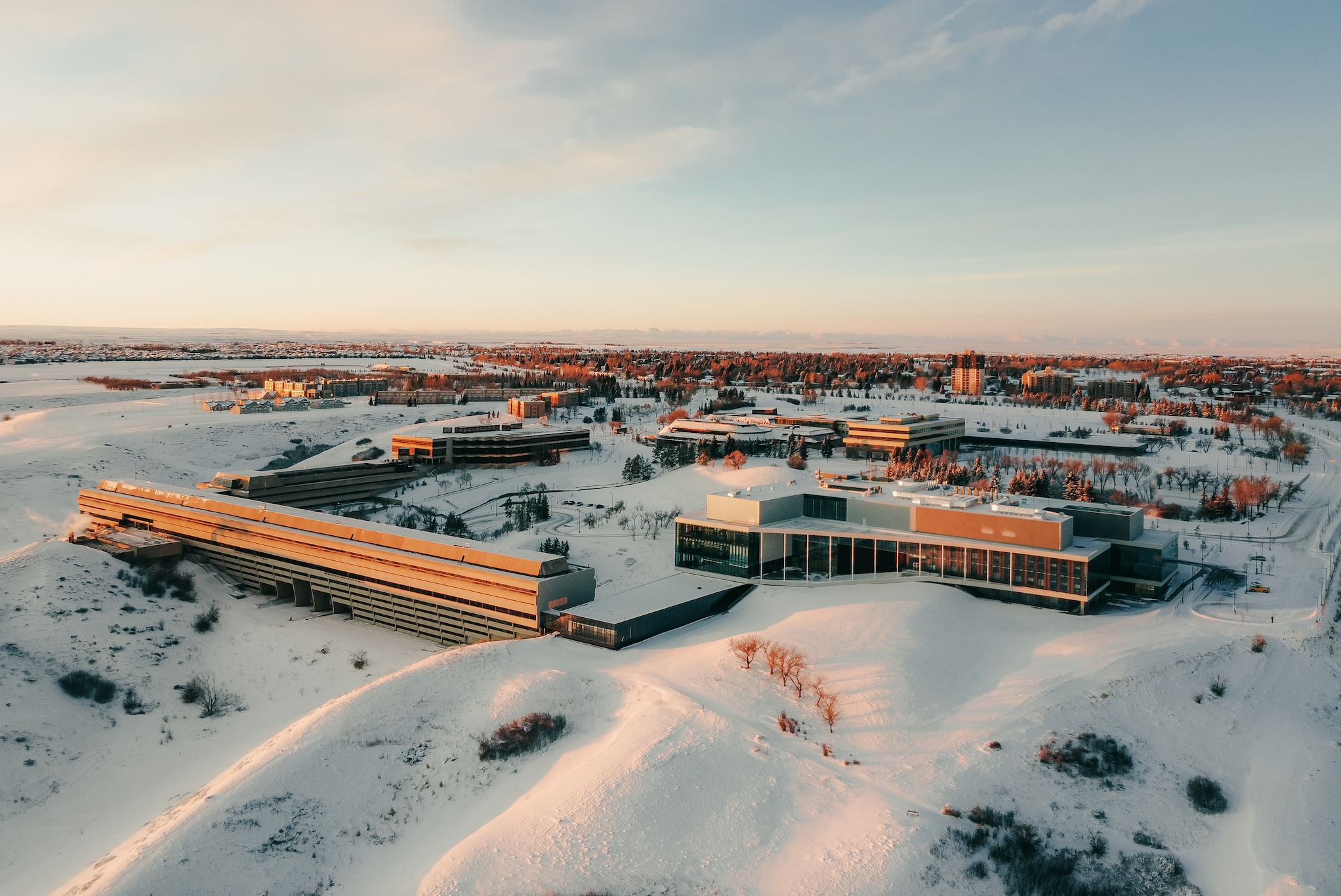
The Bachelor of Arts and Science in Geography & Biological Sciences at the University of Lethbridge is designed to equip students with the skills necessary to analyze the organization and interaction of ecological processes on our planet. This program emphasizes the importance of understanding diverse landscapes and the impact of human activities on the environment. Students will gain insights into geographical information science (GIS), remote sensing, and water research, preparing them for real-world challenges. The program is supported by state-of-the-art facilities and a strong faculty, ensuring a comprehensive educational experience.
Program structure
The Bachelor of Arts and Science in Geography & Biological Sciences program offers a comprehensive curriculum that spans various aspects of geography and biological sciences. The program is designed to be completed in four years, providing students with a solid foundation in both theoretical and practical applications. Key features of the program structure include:
- Experiential learning opportunities, including co-operative education and international exchanges.
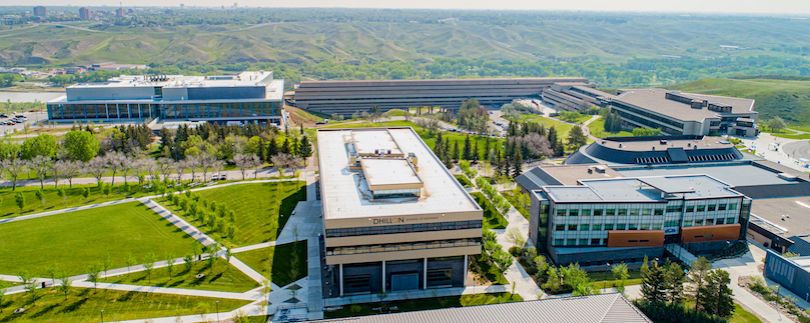
- Access to advanced hardware and software in geography and environmental sciences.
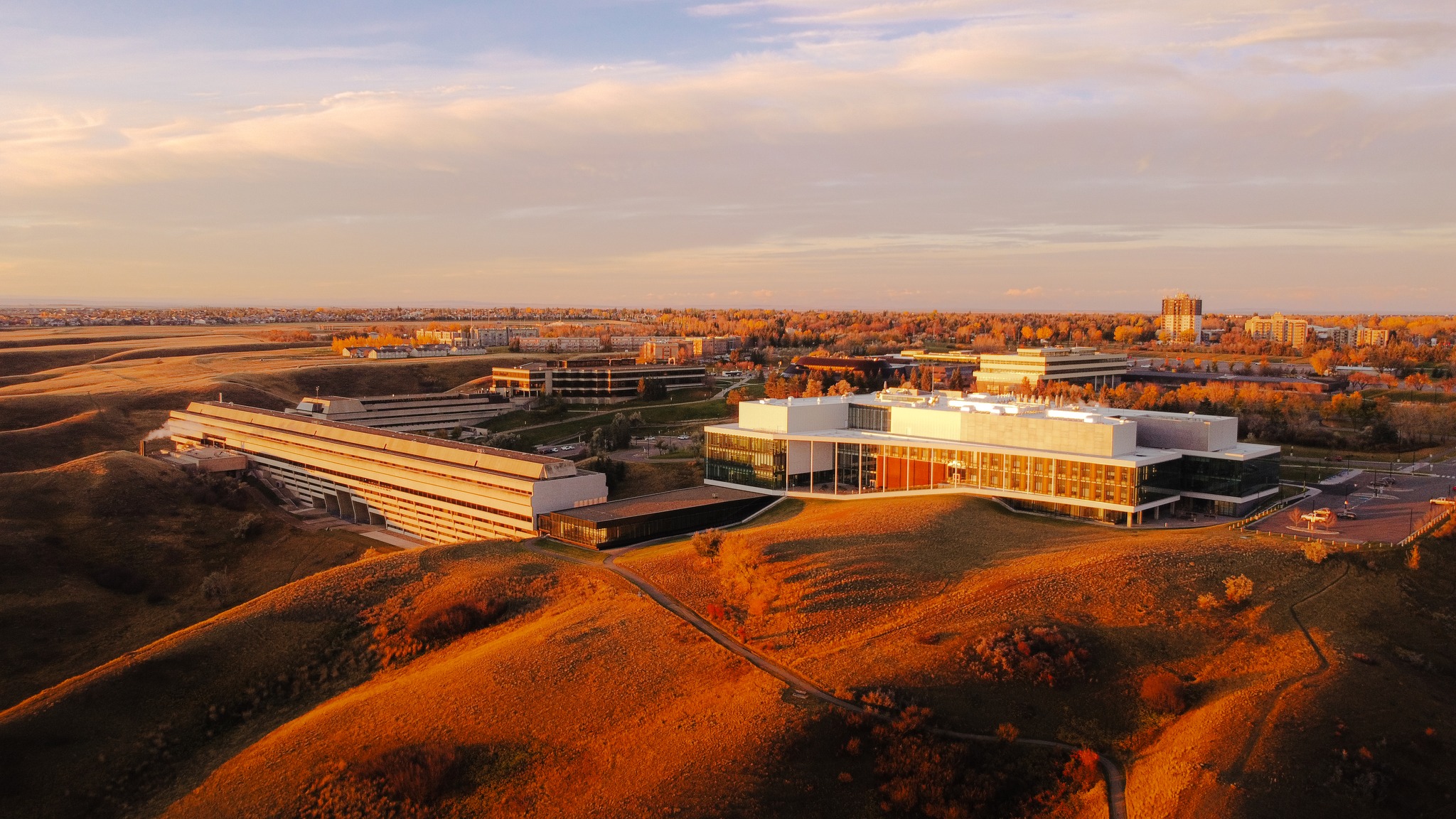
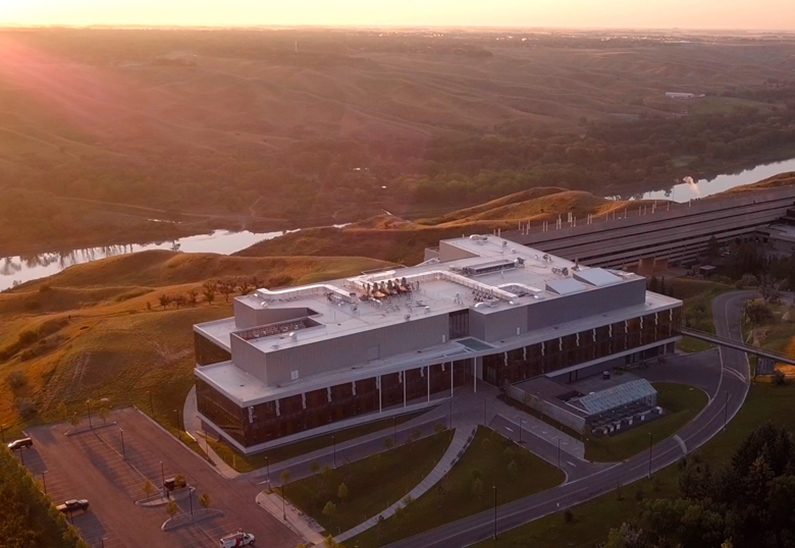
- Field research opportunities in the Oldman River Valley and surrounding areas.
- Options for completing an honours thesis in the fourth year for high-achieving students.
Students can also choose to participate in various student clubs and activities, enhancing their learning experience and fostering community engagement.
Featured Experiences
The Bachelor of Arts and Science in Geography & Biological Sciences program offers a variety of unique experiences that enrich the educational journey:
- Co-operative Education: The program is the only one in Alberta that offers co-op opportunities for all majors in the arts and sciences.
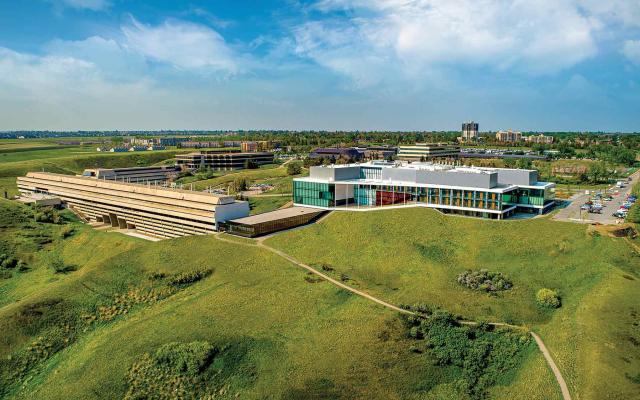
- Field Research: Students benefit from the program's location, which provides access to diverse landscapes for hands-on research.
- Student Clubs: The Geography Club organizes activities such as canoe trips, field trips, and social events, fostering a sense of community.
- Honours Thesis: High-achieving students can opt to complete an undergraduate thesis, earning an “Honours Thesis” designation.
- International Exchanges: Opportunities for students to study abroad and gain global perspectives.
Career Options
Graduates of the Bachelor of Arts and Science in Geography & Biological Sciences program have a wide range of career options available to them in Canada. Some potential job roles include:
- Environmental Consultant: Advises organizations on environmental best practices and compliance with regulations.
- GIS Specialist/Technician: Utilizes geographic information systems to analyze spatial data and create maps.
- Urban or Regional Planner: Works with communities to develop land use plans and policies that promote sustainable development.
- Hydrologist: Studies water resources and their management, focusing on issues like water quality and availability.
- Environmental Education Specialist: Develops educational programs to raise awareness about environmental issues and conservation.
These roles highlight the versatility of the degree and the demand for skilled professionals in the fields of geography and biological sciences.
DISCLAIMER: The information above is subject to change. For the latest updates, please contact LOA Portal's advisors.
Visit UOL - University of Lethbridge official website