




Program overview
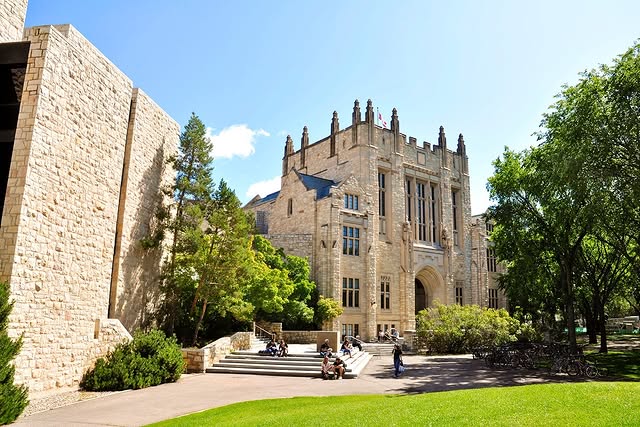
The Master of Sustainability (M.Ss.) program at the University of Saskatchewan’s School of Environment and Sustainability (SENS) is designed to equip students with the skills needed to tackle pressing sustainability challenges. This program emphasizes both local insights and a global perspective, preparing graduates to bridge the gap between academic research and real-world solutions. Students can choose to specialize in either Energy Security or Regenerative Sustainability, focusing on sustainable energy development or transformative practices for socio-ecological systems, respectively. With a strong emphasis on practical application, the program fosters innovative thinking to address issues such as climate change, biodiversity loss, and social inequality.
Program structure
The Master of Sustainability program offers a flexible structure that accommodates various learning preferences. Key details include:
- Program Length:
- Energy Security: 22 months
- Regenerative Sustainability: 22-24 months
- Delivery Format: Hybrid (in-person and online)
- Specialization Options:
- Energy Security
- Regenerative Sustainability
- Pathways: Students may choose between a project-based or course-based program of study.
- Collaborative Opportunities: For those in the project-based pathway, there is a possibility to partner with NGOs, government, or industry for applied research projects.
This structure allows students to tailor their educational experience to their career goals and interests, ensuring a comprehensive understanding of sustainability practices.
Featured Experiences
The Master of Sustainability program offers several unique experiences that enhance learning and professional development:
- Co-op Opportunities: Students may engage in co-op placements that provide hands-on experience in the field.
- Field Experience: Practical fieldwork is integrated into the curriculum, allowing students to apply theoretical knowledge in real-world settings.
- Joint Partner Programs: Collaborations with NGOs, government agencies, and industry partners for applied research projects.
- Flexible Learning Options: Students can choose between in-person and online classes to suit their schedules.
- Networking Opportunities: Access to a network of alumni and professionals in sustainability-related fields.
Career Options
Graduates of the Master of Sustainability program can pursue a variety of career paths in Canada, including:
- Sustainability Consultant: Advises organizations on sustainable practices and strategies to reduce environmental impact.
- Energy Policy Analyst: Analyzes and develops policies related to energy use and sustainability, focusing on renewable energy sources.
- Environmental Scientist: Conducts research and assessments to understand environmental issues and develop solutions.
- Project Manager in Sustainability: Oversees sustainability projects, ensuring they meet objectives and comply with regulations.
- Community Development Officer: Works with communities to promote sustainable practices and enhance local resilience.
These roles highlight the diverse opportunities available to graduates, enabling them to make significant contributions to sustainability efforts across various sectors.
DISCLAIMER: The information above is subject to change. For the latest updates, please contact LOA Portal's advisors.
Visit University of Saskatchewan official website