Last updated on 2026-10-05















Program overview
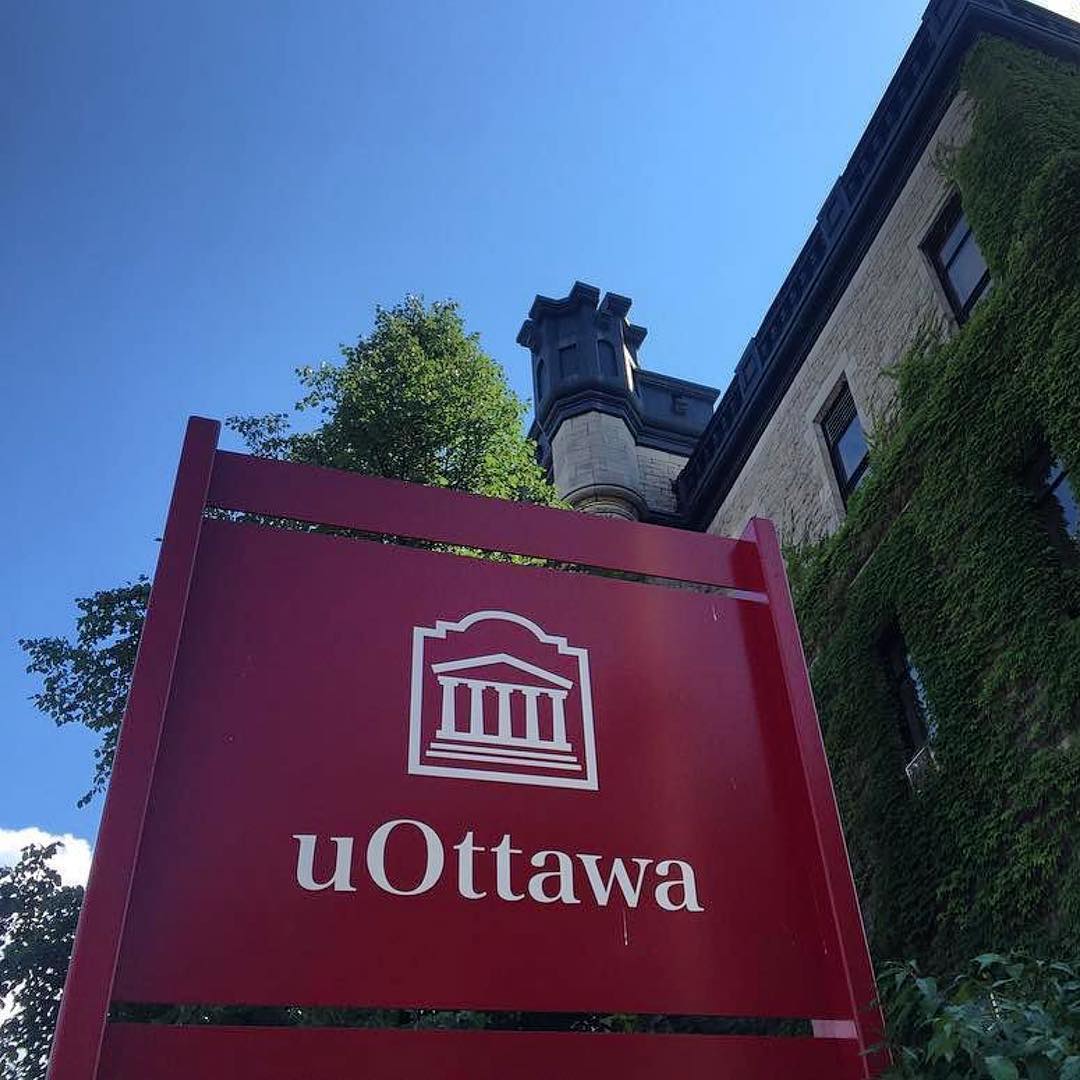
The Master of Science in Earth Sciences (Thesis) at the University of Ottawa is designed for students who wish to engage in advanced research in the field of Earth sciences. This program is offered through the Ottawa-Carleton Geoscience Centre, which combines the research strengths of both the University of Ottawa and Carleton University. Students will have access to a wide range of research facilities and resources, allowing them to explore various areas of Earth sciences, including environmental geoscience, geochemistry, and tectonics. The program is conducted in English and offers both full-time and part-time registration options, providing flexibility for students to balance their studies with other commitments.
Program structure
The Master of Science in Earth Sciences (Thesis) program has a structured approach to ensure comprehensive learning and research experience. The key features of the program include:
- Program Length: The program is designed to be completed in 24 consecutive months for full-time students, which typically spans over 6 full-time terms.
- Registration Options: Students can choose to register either as full-time or part-time students, depending on their personal circumstances.
- Thesis Requirement: A significant component of the program is the completion of a master's thesis based on original research conducted under the supervision of a faculty member.
- Research Facilities: Students benefit from shared research facilities between the University of Ottawa and Carleton University, enhancing their learning experience.
- Collaborative Programs: The program is part of collaborative initiatives, including a specialization in chemical and environmental toxicology.
Overall, the program structure is designed to provide students with a solid foundation in Earth sciences while allowing them to engage in meaningful research activities.
Featured Experiences
The Master of Science in Earth Sciences (Thesis) program offers several unique experiences that enhance the educational journey of its students:
- Research Opportunities: Students have the chance to engage in cutting-edge research in various areas of Earth sciences, including environmental geoscience and geochemistry.
- Access to Facilities: The program provides access to advanced research facilities shared between the University of Ottawa and Carleton University.
- Collaborative Environment: Students can collaborate with faculty members from both universities, enriching their academic experience.
- Seminars and Conferences: Students are required to present their research at biannual Ottawa-Carleton Geoscience Centre graduate symposia, fostering communication skills and networking.
- Field Studies: Opportunities for field investigations are available, allowing students to apply their knowledge in real-world settings.
Career Options
Graduates of the Master of Science in Earth Sciences (Thesis) program can pursue a variety of career paths in Canada. Here are some potential job options:
- Geoscientist: Conduct research and analysis related to the Earth's structure, processes, and resources, often working in environmental consulting or government agencies.
- Environmental Consultant: Provide expert advice on environmental issues, including pollution control, resource management, and sustainability practices.
- Hydrogeologist: Study groundwater systems and their interactions with the environment, often involved in water resource management and environmental protection.
- Geochemist: Analyze the chemical composition of Earth materials and study geochemical processes, contributing to resource exploration and environmental assessments.
- Research Scientist: Engage in academic or industrial research, focusing on various aspects of Earth sciences, including climate change, natural hazards, and resource management.
These career options reflect the diverse opportunities available to graduates, allowing them to make significant contributions to the field of Earth sciences and related industries.
DISCLAIMER: The information above is subject to change. For the latest updates, please contact LOA Portal's advisors.
Visit University of Ottawa official website