Last updated on 2026-07-29






Program overview
The Marine Biology program at UNB Saint John offers a comprehensive introduction to the discipline, with a particular focus on the unique marine ecosystems of the Canadian east coast. Students are provided with a broad and foundational training that equips them for a variety of employment opportunities, both within Canada and internationally. This program stands out as one of the few Bachelor of Science degrees in marine biology available in Canada, making it a distinctive choice for aspiring marine biologists.
Program structure
The Marine Biology program is designed to provide students with a robust educational experience that spans various aspects of marine science. The program includes:
- Program Length: The program is structured to be completed in a standard undergraduate timeframe.
- Marine Semester: An intensive, 13-week immersion semester at the Huntsman Marine Science Centre in St. Andrews, offered biennially.
- Hands-on study experience with diverse marine organisms, including mammals, seabirds, algae, fish, and invertebrates.
- Involvement in lectures, research seminars, discussions, labs, field trips, and independent research projects.
This structure is designed to foster critical thinking and expose students to innovative research in marine biology, preparing them for future academic and professional pursuits.
Featured Experiences
- Marine Semester: A unique opportunity for students to engage in an immersive learning experience in a marine setting.
- Hands-on study of various marine organisms, enhancing practical knowledge and skills.
- Field trips and independent research projects that promote real-world application of marine biology concepts.
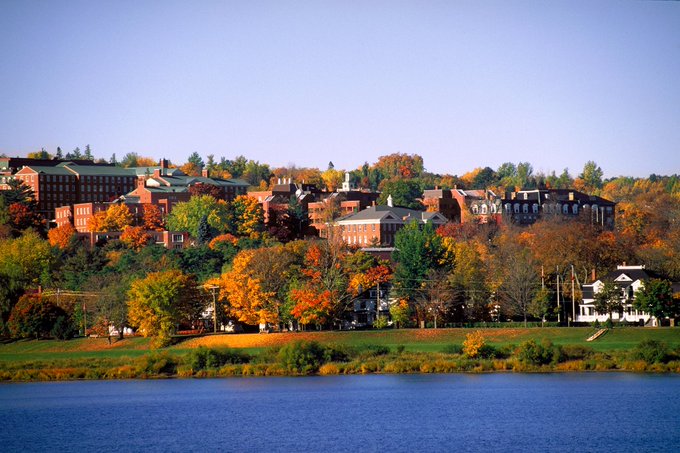
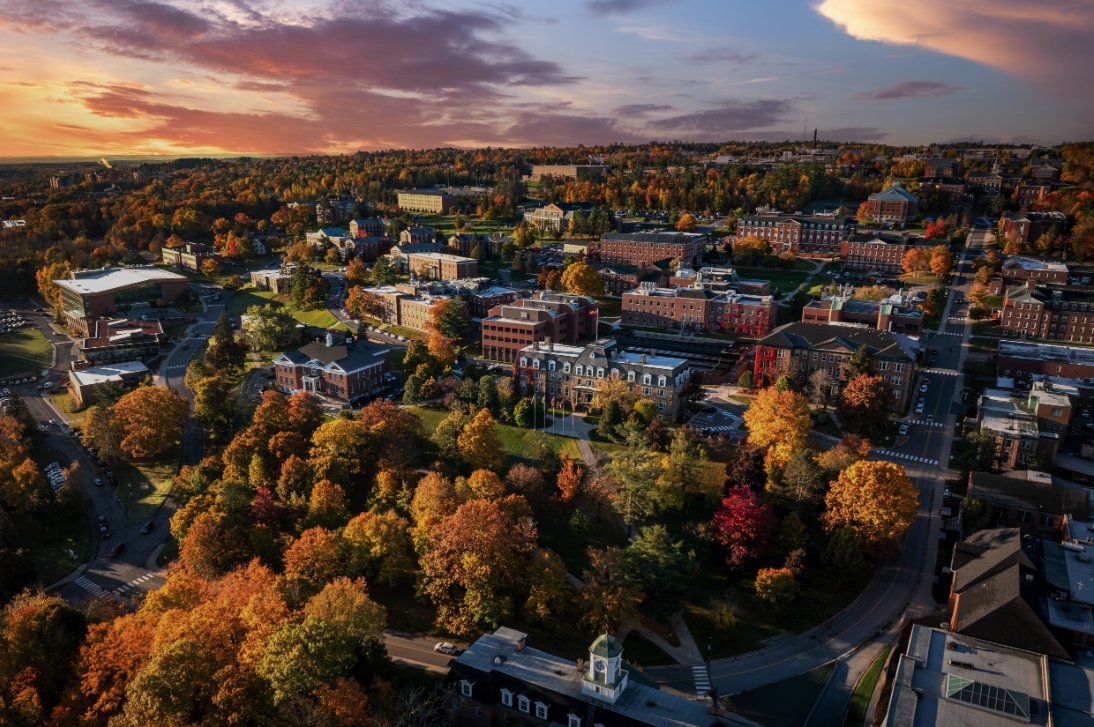
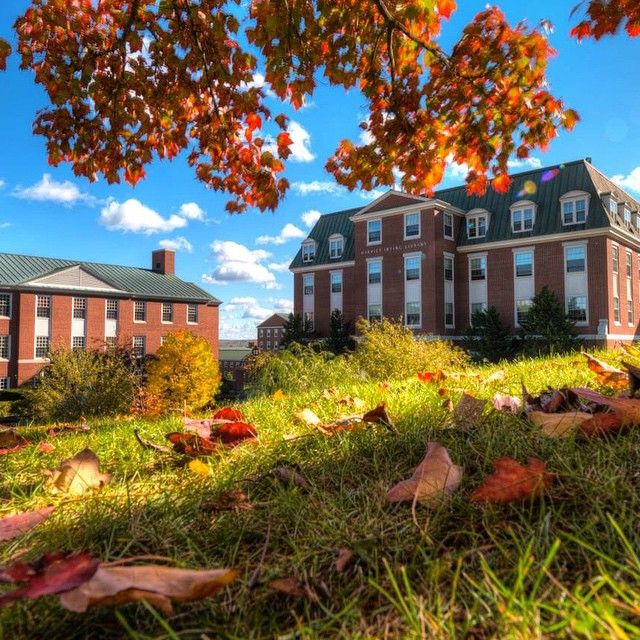
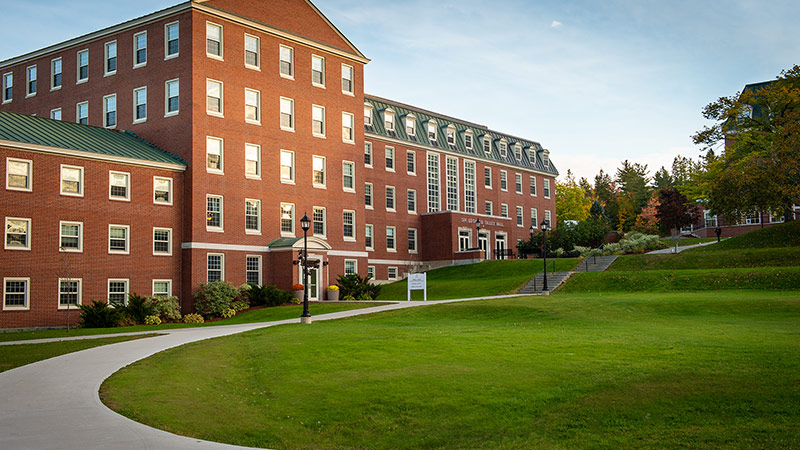
- Access to internationally recognized professors and a well-equipped campus located on the Saint John Kennebecasis River estuarine complex.
Career Options
Graduates of the Marine Biology program can pursue a variety of career paths in Canada, including:
- Marine Biologist: Conduct research on marine organisms and ecosystems, contributing to conservation efforts and policy development.
- Aquaculture Specialist: Work in the aquaculture industry, focusing on the breeding and harvesting of aquatic organisms.
- Environmental Consultant: Provide expert advice on environmental issues related to marine ecosystems and help businesses comply with regulations.
- Research Scientist: Engage in scientific research within government departments or private research companies, focusing on marine biology topics.
- University Lecturer: Teach and mentor students in marine biology at the post-secondary level, while also conducting research.
These roles highlight the diverse opportunities available to graduates, allowing them to make significant contributions to the field of marine biology.
DISCLAIMER: The information above is subject to change. For the latest updates, please contact LOA Portal's advisors.
Visit University of New Brunswick official website