Last updated on 2025-08-28





Program overview
The Bachelor of Science in Engineering (Years 1-4) with a specialization in Environmental Engineering at the University of New Brunswick's Saint John campus is designed to equip students with the skills necessary to tackle the pressing challenges posed by climate change. This program emphasizes the development of innovative and sustainable solutions, preparing graduates to assess the impact of engineering decisions within a global, environmental, economic, and societal context. By the end of the program, students will be well-prepared to contribute positively to the field of environmental engineering.
Program structure
The Bachelor of Science in Engineering (Environmental Engineering) program is structured to provide a comprehensive education over a period of four years. The program includes:
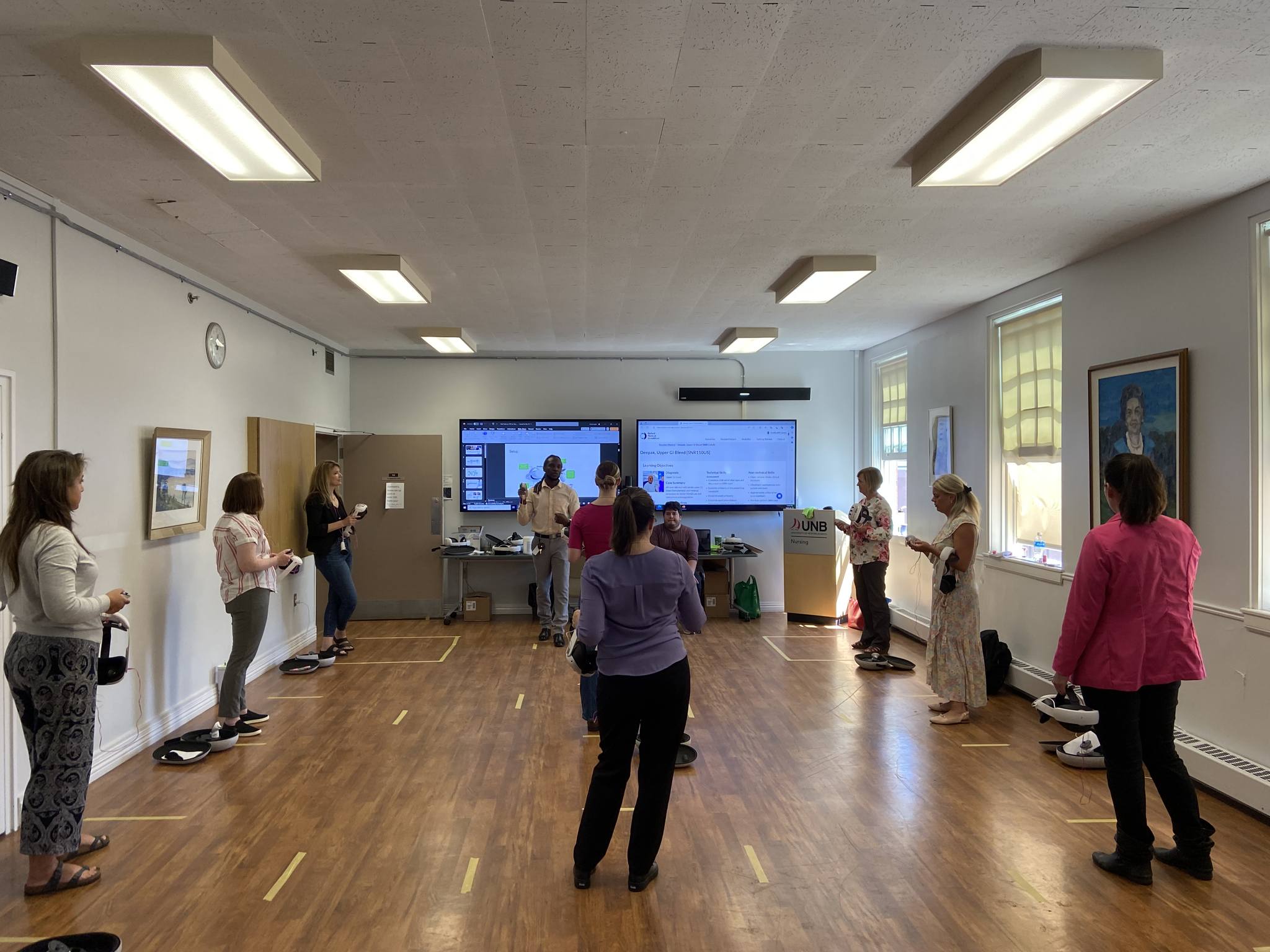
- Hands-on learning experiences to apply theoretical knowledge.
- Opportunities for collaborative projects and teamwork.
- Access to state-of-the-art facilities and resources.
- Options for experiential learning, such as co-op placements or internships.
This program is designed to ensure that students not only gain academic knowledge but also practical skills that are essential in the engineering field.
Featured Experiences
- Co-op placements that provide real-world experience in environmental engineering.
- Hands-on laboratory work to enhance practical skills.
- Field experiences that allow students to engage with real environmental challenges.
- Joint partner programs that may offer additional learning opportunities.
- Innovative projects focused on sustainability and climate change solutions.
Career Options
- Environmental Consultant: Advises organizations on how to minimize their environmental impact and comply with regulations.
- Water Resource Engineer: Designs systems for water supply and wastewater treatment, ensuring sustainable water management.
- Air Quality Engineer: Works on projects to monitor and improve air quality, addressing pollution and health concerns.
- Sustainability Manager: Develops and implements strategies for organizations to operate sustainably and reduce their carbon footprint.
- Climate Change Analyst: Analyzes data related to climate change and develops strategies to mitigate its effects on communities and ecosystems.
DISCLAIMER: The information above is subject to change. For the latest updates, please contact LOA Portal's advisors.
Visit University of New Brunswick official website