Last updated on 2025-08-28





Program overview
The Bachelor of Science - General Science program at the University of New Brunswick (UNB) is designed for students who are intrigued by various scientific disciplines, including biology, chemistry, and physics. This program provides a comprehensive foundation in science without confining students to a single area of study. It allows for a customizable educational experience, enabling students to concentrate on two specific areas of science while also taking a variety of electives. This flexibility prepares graduates for further professional programs and diverse career paths in the scientific field.
Program structure
The Bachelor of Science - General Science program is structured to provide a well-rounded education in the sciences. The program is designed to be completed in a standard duration, allowing students to explore multiple scientific disciplines. Key features of the program structure include:
- Customizable curriculum focusing on two areas of science.
- Opportunity to take a wide range of electives.
- Exposure to various scientific fields, enhancing interdisciplinary knowledge.
This program is ideal for students who wish to maintain a broad scientific perspective while preparing for future academic or professional pursuits.
Featured Experiences
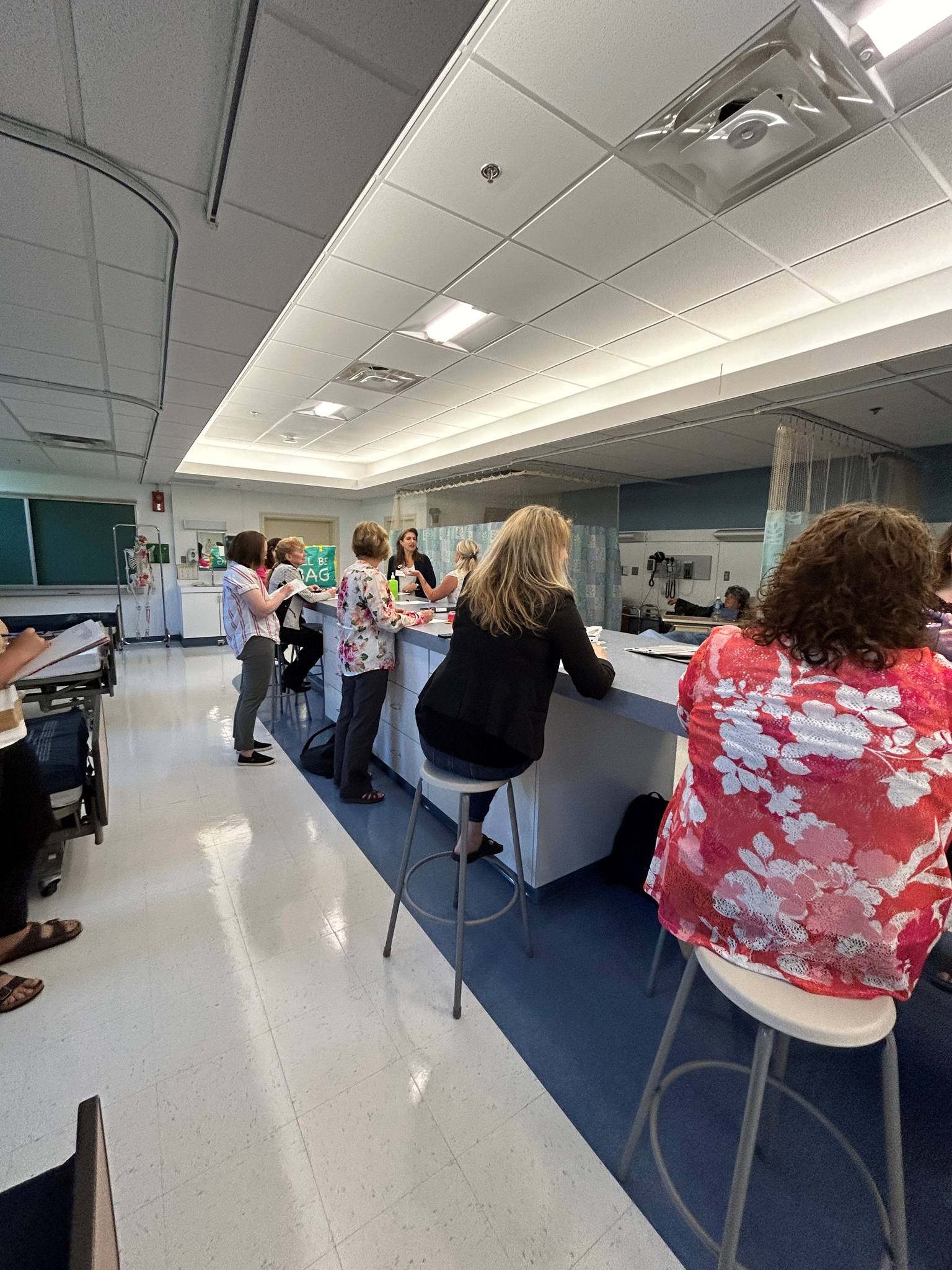
- Hands-on laboratory experiences to apply theoretical knowledge.
- Fieldwork opportunities that provide real-world scientific exposure.
- Joint partner programs that may enhance learning through collaboration with other institutions.
- Access to various resources and facilities that support scientific research and experimentation.
Career Options
Graduates of the Bachelor of Science - General Science program can pursue a variety of career paths in Canada, including:
- Science Writer: Crafting articles and content that communicate scientific concepts to the public.
- Technical Writer: Producing manuals and documentation for scientific and technical products.
- Health Sciences Professional: Engaging in roles that support health-related research and applications.
- Education: Teaching science at various educational levels, from elementary to post-secondary.
- Research Assistant: Supporting scientific research projects in academic or industrial settings.
These career options reflect the diverse opportunities available to graduates, leveraging their broad scientific knowledge and skills.
DISCLAIMER: The information above is subject to change. For the latest updates, please contact LOA Portal's advisors.
Visit University of New Brunswick official website