Last updated on 2026-10-06








Program Overview
The Bachelor of Arts in Archaeology (Honours) at Trent University is designed to provide students with a comprehensive understanding of archaeological practices and theories. This program emphasizes critical thinking and analytical skills, preparing students for various career paths in the field of archaeology and beyond. With a focus on both theoretical knowledge and practical application, students will engage in hands-on experiences that enhance their learning and professional development.
Program Structure
The Bachelor of Arts in Archaeology (Honours) is structured to provide a robust educational experience over a four-year period. The program requires students to complete a total of 120 credits, which includes a combination of core courses, electives, and a capstone project. Key features of the program structure include:
- Program Length: 4 years
- Total Credits Required: 120 credits
- Opportunities for co-op placements and internships to gain practical experience
- Flexibility in course selection to tailor the program to individual interests
Students will benefit from a well-rounded education that combines theoretical knowledge with practical skills, preparing them for future endeavors in archaeology and related fields.
Featured Experiences
The Bachelor of Arts in Archaeology (Honours) offers several unique experiences that enhance the educational journey:
- Hands-on fieldwork opportunities to apply archaeological methods in real-world settings
- Access to state-of-the-art laboratories for analysis and research
- Collaborative projects with local museums and cultural institutions
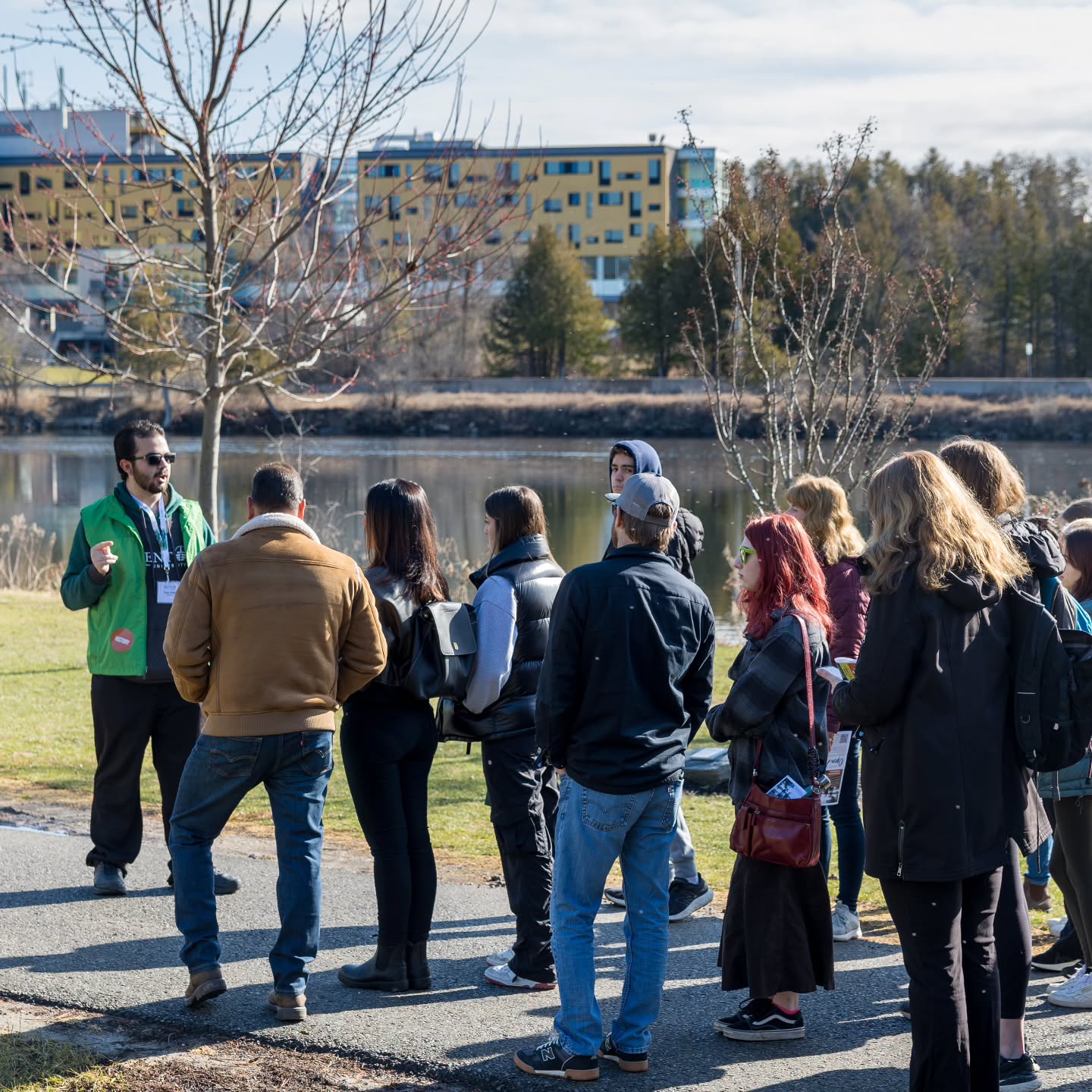
- Field trips to significant archaeological sites to enrich learning
- Joint partner programs with other universities for broader exposure
Career Options
Graduates of the Bachelor of Arts in Archaeology (Honours) can pursue a variety of career paths in Canada, including:
- Archaeologist: Conducts research and excavations to uncover and analyze artifacts and historical sites.
- Cultural Resource Manager: Works to protect and manage archaeological sites and cultural heritage resources.
- Museum Curator: Oversees collections, organizes exhibitions, and educates the public about archaeological findings.
- Heritage Consultant: Advises organizations on the preservation and management of cultural heritage sites.
- Academic Researcher: Engages in scholarly research and teaching at universities or research institutions.
These career options reflect the diverse opportunities available to graduates, allowing them to make significant contributions to the field of archaeology and cultural heritage management.
DISCLAIMER: The information above is subject to change. For the latest updates, please contact LOA Portal's advisors.
Visit Trent University official website