Last updated on 2026-05-13
Program overview
Soar to new heights with our Remotely Piloted Aircraft Systems (RPAS) diploma and start an exciting career as a professional RPAS pilot. This comprehensive two-year diploma will prepare you for a career as a professional RPAS (drone) pilot, with ROC-A and Transport Canada certification. You will learn how to fly a wide variety of RPAS in various industry-simulated applications, process collected data, and maintain them to ensure airworthiness. The program meets Transport Canada's training and regulation requirements to professionally pilot RPAS in all environments, including Beyond Visual Line of Sight (BVLOS) operations. If you have a strong interest in aviation and advanced technologies, this program is designed for you!
Program structure
The Remotely Piloted Aircraft Systems Diploma spans a total of 2 years with two semesters per year. The program is structured to provide a comprehensive education in RPAS operations, maintenance, and regulatory compliance. Key features of the program structure include:
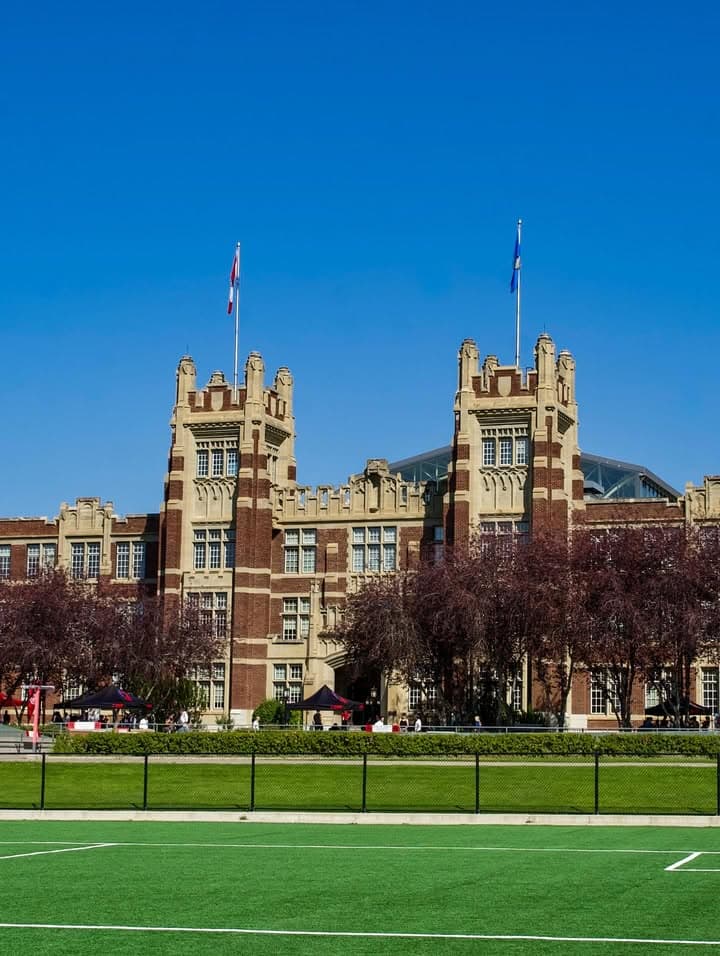
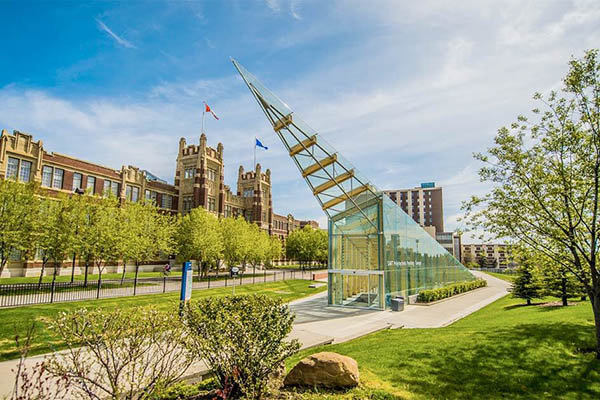
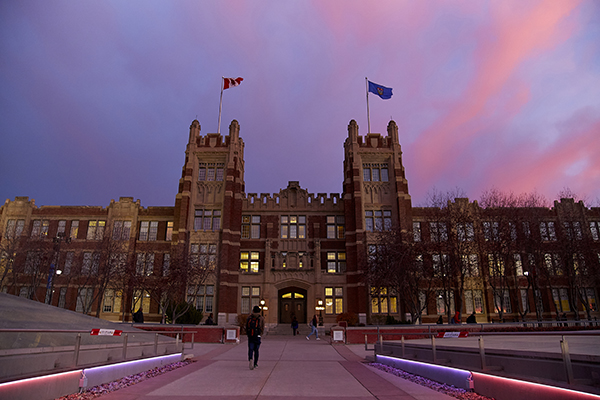
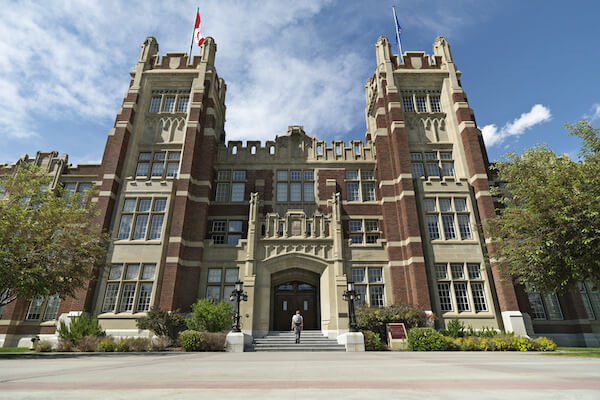
- In-person classes held at the Art Smith Aero Centre & Point Trotter Campus.
- Hands-on training in various RPAS applications.
- Opportunities to work towards Advanced Pilot Certificate and Restricted Operator Certificate-Aeronautical (ROC-A) certifications.
- Focus on both technical skills and business aspects of RPAS operations.
Throughout the program, students will engage in practical experiences that prepare them for real-world applications in industries such as agriculture, forestry, energy, and emergency services.
Featured Experiences
The Remotely Piloted Aircraft Systems Diploma offers several unique features and experiences that enhance the learning journey:
- Hands-on training with a variety of RPAS platforms.
- Opportunities to conduct inspections and map geomatics data for environmental, agricultural, and industrial applications.
- Coordination of RPAS flight operations with various pilots and projects.
- Capstone project that allows students to tackle real-world problems using RPAS.
- Preparation for advanced certifications, including the Transport Canada Pilot Certificate - Advanced Operations.
- Engagement with industry partners during the capstone project to gain insights and foster professional connections.
Career Options
Graduates of the Remotely Piloted Aircraft Systems Diploma can pursue a variety of career paths in Canada. Here are some potential job options:
- RPAS Pilot: Operate drones for various applications, including aerial photography, surveying, and inspections.
- Drone Technician: Maintain and repair RPAS, ensuring they are airworthy and compliant with regulations.
- Geospatial Analyst: Analyze data collected from RPAS for mapping and environmental monitoring purposes.
- Project Manager: Oversee RPAS operations and projects, ensuring they meet regulatory and safety standards.
- Consultant: Provide expertise on RPAS integration into business operations across various industries.
These roles may require additional experience and education, but the diploma provides a strong foundation for entering the rapidly growing RPAS field.
DISCLAIMER: The information above is subject to change. For the latest updates, please contact LOA Portal's advisors.
Visit SAIT - Southern Alberta Institute of Technology official website