Last updated on 2026-10-01









Program overview
Explore the underlying mathematics of any process with the Mathematics for Science and Industry program. This program is designed to equip students with essential concepts, principles, qualitative and quantitative methods, and innovative problem-solving skills. Mathematics is a fundamental component of scientific endeavors and plays a crucial role in various daily activities. Students will gain valuable experience through state-of-the-art algorithms and software, as well as research projects that relate to real-world applications. This program is offered at Ontario Tech University, providing a solid foundation for those interested in pursuing careers in science and industry.
Program structure
The Mathematics for Science and Industry program is structured to provide a comprehensive education over a four or five-year period, depending on the chosen path. Here are some key features of the program:
- Program Length: Four or five years
- Delivery Method: In-class
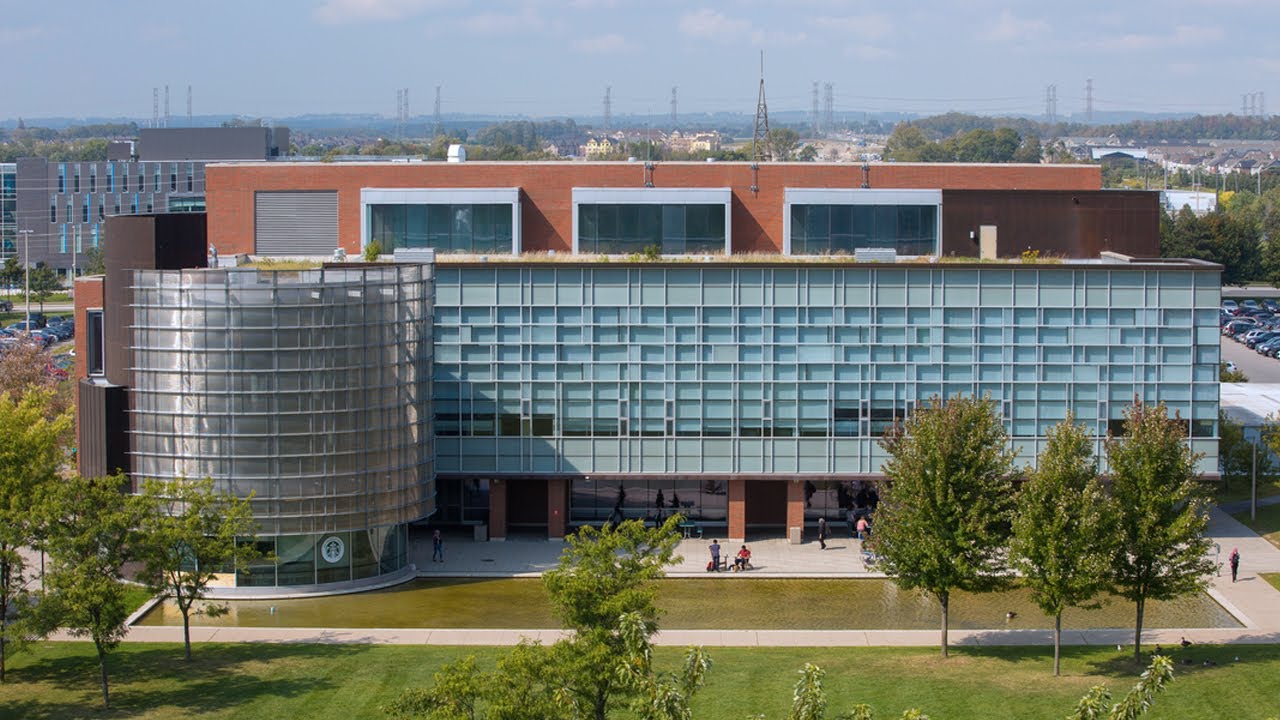
- Location: Ontario Tech University, North Oshawa
- Start Dates: September, January
- Program Load: Full-time
- Experiential Learning: Includes options for co-op, capstone projects, research studies, and undergraduate thesis work.
Students can choose to apply for a direct-entry co-op option, which allows them to gain practical experience while studying. This co-op program is designed to enhance employability and provide students with a competitive edge in the job market.
Featured Experiences
The Mathematics for Science and Industry program offers several unique features that enhance the learning experience:
- Co-op Opportunities: Students can participate in a co-op program that provides full-time, paid employment, allowing them to apply classroom knowledge in real-world settings.
- Capstone Projects: Engage in capstone projects that integrate theoretical knowledge with practical applications.
- Research Studies: Opportunities to conduct research related to workplace challenges and innovations.
- Undergraduate Thesis: Students can undertake a thesis project to deepen their understanding of a specific area of interest.
- Networking Opportunities: Collaborate with leading employers in the industry, enhancing career prospects and professional connections.
Career Options
Graduates of the Mathematics for Science and Industry program can pursue a variety of career paths in Canada, including:
- Investment Analyst: Analyze financial data and trends to provide investment recommendations and strategies.
- Aerospace Engineer: Design and develop aircraft, spacecraft, and related systems, applying mathematical principles to solve engineering challenges.
- Meteorologist: Study atmospheric phenomena and use mathematical models to predict weather patterns and climate changes.
- Research Scientist: Conduct experiments and research in various scientific fields, utilizing mathematical methods to analyze data and draw conclusions.
- Statistician: Collect, analyze, and interpret data to help organizations make informed decisions based on statistical evidence.
These career options highlight the versatility and applicability of a degree in Mathematics for Science and Industry, preparing graduates for success in diverse fields.
DISCLAIMER: The information above is subject to change. For the latest updates, please contact LOA Portal's advisors.
Visit Ontario Tech University official website