




Program overview
Join the only Forensic Science program in Canada accredited by the Forensic Science Programs Accreditation Commission (FEPAC). This program recognizes that our curriculum, labs, faculty, and research have met the highest standards set by the accreditation commission. Students will experience hands-on learning that prepares them for real-world forensic examination, acquiring unique skills through engaging lectures and laboratory work. The program emphasizes the importance of documenting and investigating mock crime scenes, allowing students to develop essential skills in evidence collection, scientific report writing, DNA extractions, and even testifying in mock court cases. With partnerships with local law enforcement and forensic agencies, students gain invaluable insights and experiences that enhance their educational journey.
Program structure
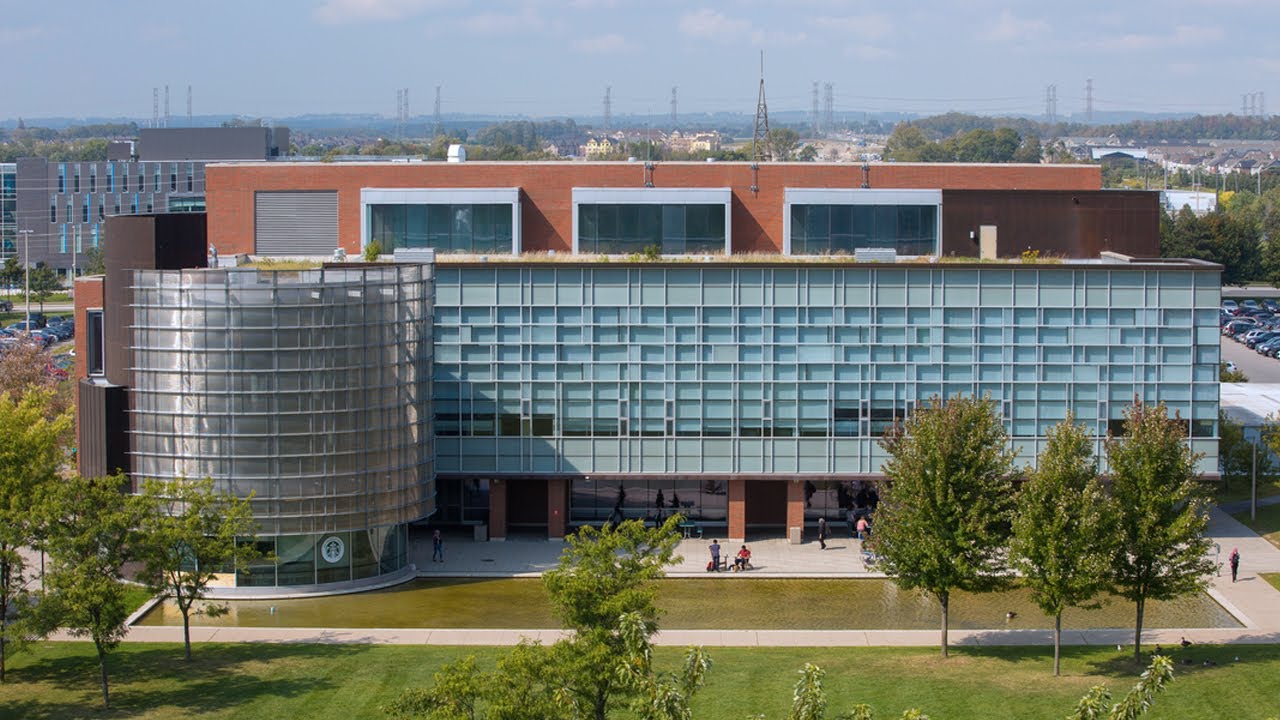
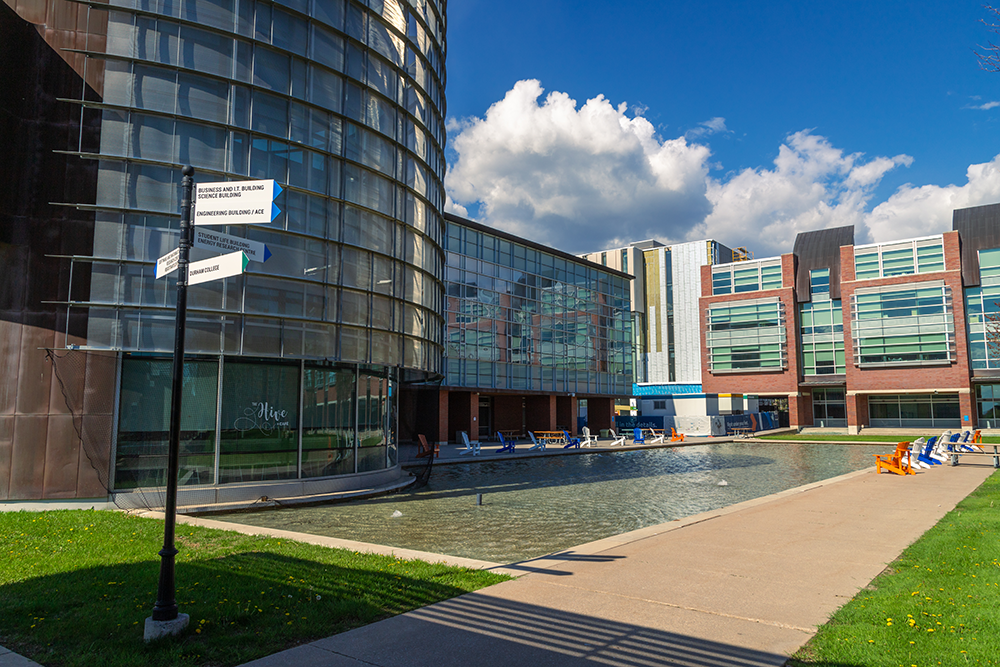
The Bachelor of Science (Honours) in Forensic Science program is designed to be completed in four or five years, depending on the student's choice of study load. The program is offered on a full-time basis and is delivered in-class at Ontario Tech University, located in North Oshawa. Students will have the opportunity to engage in experiential learning through various components, including:
- Capstone projects
- Research studies
- Undergraduate thesis
At the end of the first year, students can choose to specialize in one of three areas: Forensic Biology, Forensic Chemistry, or Forensic Physics. This structure allows students to tailor their education to their interests while ensuring a strong foundation in general scientific principles. The program also includes unique hands-on training at facilities such as the Crime Scene House and Forensic Teaching Laboratory, providing students with practical experience in forensic investigations.
Featured Experiences
The Forensic Science program offers a variety of unique experiences that enhance the learning process:
- Hands-on training at the Crime Scene House, where students can apply their knowledge in simulated crime scenes.
- Access to the Forensic Ecology Research Facility and Forensic Teaching Laboratory for practical learning.
- Partnerships with local law enforcement agencies, the Canadian Border Service, and private laboratories, providing real-world insights.
- Opportunities to participate in a Mock Crime Scene Practicum, where students investigate a simulated major crime scene.
- Completion of an independent Thesis Research project or Directed Studies project in their graduating year.
Career Options
Graduates of the Bachelor of Science (Honours) in Forensic Science program can pursue a variety of career paths in Canada, including:
- Laboratory Scientist: Conducts tests and analyses on physical evidence collected from crime scenes.
- Research Scientist: Engages in scientific research to advance knowledge in forensic science and related fields.
- Forensic Biomechanist: Applies principles of biomechanics to analyze physical evidence related to injuries and accidents.
- Forensic Scientist: Works in various forensic disciplines, providing expert analysis and testimony in legal cases.
- Forensic Technologist: Utilizes technology and scientific methods to assist in forensic investigations and evidence analysis.
Additionally, graduates may choose to pursue further studies in various science disciplines, enhancing their qualifications and career prospects.
DISCLAIMER: The information above is subject to change. For the latest updates, please contact LOA Portal's advisors.
Visit Ontario Tech University official website