Last updated on 2026-05-07


Program overview
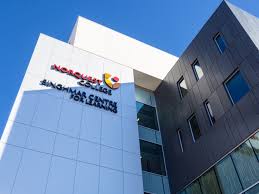
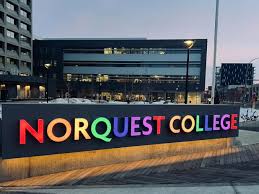
The Therapeutic Recreation program at NorQuest College is designed to equip students with the skills necessary to deliver client-centered care in various therapeutic settings. This two-year diploma program emphasizes the importance of recreation and leisure in enhancing individual wellness. Students will gain practical experience through a total of 480 hours of hands-on learning, preparing them to work effectively with clients of all ages and abilities. The program combines classroom instruction with real-world applications, ensuring graduates are well-prepared to make a positive impact in their communities.
Program structure
The Therapeutic Recreation program is structured over 6 terms, providing a comprehensive educational experience. Students can choose from flexible delivery options to suit their learning preferences:
- In-person: A full-time, two-year program that includes hands-on instruction and structured learning.
- Online: A part-time, three-year program designed for self-motivated students who require flexibility.
Regardless of the delivery method, all students will participate in mandatory in-person workshops for lab courses, ensuring they gain essential practical skills. The program also includes two practicums, allowing students to apply their knowledge in real-world settings. This unique combination of classroom learning and practical experience prepares graduates for a successful career in therapeutic recreation.
Featured Experiences
- Completion of two practicums providing hands-on experience in therapeutic recreation settings.
- Opportunity to work with a multidisciplinary health care team, enhancing collaborative skills.
- Flexible study options, including in-person, online, or a blend of both, catering to different learning styles.
- Access to simulated real-life scenarios in labs, fostering strong problem-solving abilities.
- Graduates earn 480 hours of work experience, which is valuable for future employment.
Career Options
- Recreation Therapy Assistant: Support recreation therapists in planning and leading therapeutic activities for clients.
- Activity Coordinator: Organize and implement recreational programs in healthcare facilities or community centers.
- Recreation Director: Oversee recreational programs and staff in various settings, ensuring quality service delivery.
- Community Recreation Leader: Facilitate community-based recreational activities, promoting health and wellness.
- Recreation Consultant: Provide expertise to organizations on developing and improving recreational programs.
DISCLAIMER: The information above is subject to change. For the latest updates, please contact LOA Portal's advisors.
Visit NorQuest College official website