Last updated on 2026-09-11









Program Overview
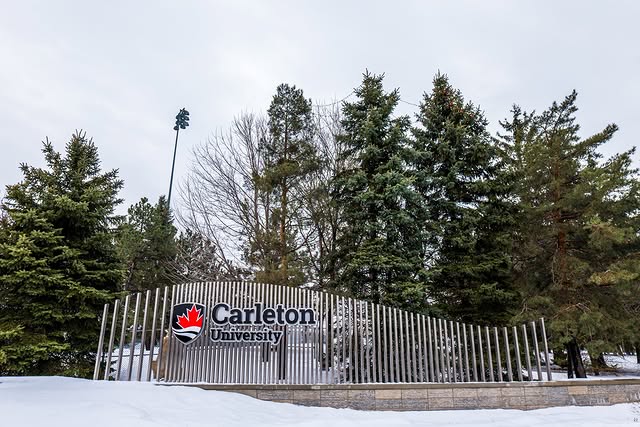
The Bachelor of Science in Earth Sciences at Carleton University provides students with a comprehensive understanding of the Earth's systems. This program integrates knowledge from various scientific disciplines, including physics, biology, and chemistry. Students will explore significant geological processes such as evolution, earthquakes, volcanic eruptions, and plate tectonics, which have shaped the Earth’s past and will influence its future. Carleton's Department of Earth Sciences is recognized as one of Canada's leading centers for geological studies, offering both interdisciplinary breadth and scientific depth.
Program Structure
The Earth Sciences program is designed to provide a robust educational experience, with a focus on both theoretical knowledge and practical skills. Key details of the program structure include:
- Program Length: Typically spans four years.
- Credits: Completion of a specified number of credits is required for graduation.
- Co-op Option: Students have the opportunity to participate in a co-op program, allowing them to gain valuable work experience while studying.
- Concentrations: Available in areas such as Environmental Geoscience, Geophysics, and Vertebrate Paleontology.
- Experiential Learning: The program includes hands-on field courses and laboratory exercises.
Graduates are also eligible to apply for registration as Professional Geoscientists in Ontario, enhancing their career prospects in the field.
Featured Experiences
The Earth Sciences program at Carleton University offers a variety of unique experiences that enhance learning and professional development:
- Hands-on Field Courses: Students can participate in field courses that take them to various geological sites across Ontario, Canada, and internationally.
- Experiential Learning: The program combines in-class lectures with practical laboratory exercises and research projects.
- Co-op Opportunities: The co-op program allows students to gain real-world experience and develop essential employability skills.
- Interdisciplinary Approach: The program encourages collaboration with other disciplines, providing a well-rounded educational experience.
Career Options
Graduates of the Bachelor of Science in Earth Sciences can pursue a wide range of career opportunities in Canada. Some potential job roles include:
- Geologist: Conducts research and analysis of geological formations and processes to understand the Earth’s structure and resources.
- Environmental Consultant: Advises organizations on environmental best practices and compliance with regulations.
- Natural Resources Manager: Oversees the sustainable management of natural resources, including water, minerals, and forests.
- Research Scientist: Engages in scientific research to advance knowledge in earth sciences and related fields.
- Teacher/Educator: Teaches earth sciences at various educational levels, inspiring the next generation of scientists.
The interdisciplinary nature of the program equips graduates with the skills needed to excel in these diverse career paths.
DISCLAIMER: The information above is subject to change. For the latest updates, please contact LOA Portal's advisors.
Visit Carleton University official website