Last updated on 2026-01-21




Program overview
The Bachelor of Child and Youth Care (Honours) program is designed to prepare students for impactful careers in front-line and supervisory roles. This program focuses on enhancing the care, welfare, and positive development of children, youth, families, and communities. With the increasing complexity of societal relationships and the rise in mental health challenges among young people, there is a growing demand for skilled professionals. Students will engage in both theoretical and experiential learning, including multiple field placements, to develop effective prevention and intervention strategies. The program emphasizes a strength-based, anti-oppressive relational practice, equipping students with the necessary skills to advocate for and support those in need.
Program structure
The Bachelor of Child and Youth Care (Honours) program spans a duration of four years. The structure of the program includes:
- Two field placements to gain hands-on experience in real-world settings.
- A 14-week work term, which can be unpaid or paid, allowing students to apply their learning in various organizational contexts.
- Courses that cover a range of topics, including crisis intervention, nature-based programming, and social innovation.
- Opportunities to earn industry certifications, such as crisis training and Applied Suicide Intervention Skills Training (ASIST).
This comprehensive program structure ensures that students are well-prepared to meet the diverse needs of children and families in various community settings.
Featured Experiences
The Bachelor of Child and Youth Care (Honours) program offers a variety of unique experiences that enhance learning and professional development:
- Two field placements that provide practical experience in different organizational settings.
- A 14-week work term that allows students to apply their skills in a professional environment.
- Hands-on learning through group projects, fostering teamwork and collaboration.
- Specialized training in nature-based programming and social innovation.
- Industry certifications, including crisis training and ASIST, integrated into the curriculum.
- Focus on developing advocacy skills to amplify the voices of individuals and systems.
These experiences are designed to prepare students for the challenges they will face in their careers, equipping them with the skills and knowledge necessary to make a positive impact.
Career Options
Graduates of the Bachelor of Child and Youth Care (Honours) program can pursue a variety of career paths in Canada, including:
- Residential Care Worker: Support children and youth in residential settings, providing care and guidance to promote their well-being.
- Mental Health Counselor: Work with individuals facing mental health challenges, offering therapeutic interventions and support.
- Community Health Worker: Engage with families and communities to improve health outcomes and access to services.
- Youth Justice Worker: Assist youth involved in the justice system, providing support and rehabilitation services.
- Child Welfare Advocate: Work within child welfare systems to ensure the rights and needs of children and families are met.
These roles highlight the diverse opportunities available to graduates, allowing them to make meaningful contributions to the lives of children, youth, and families across Canada.
DISCLAIMER: The information above is subject to change. For the latest updates, please contact LOA Portal's advisors.
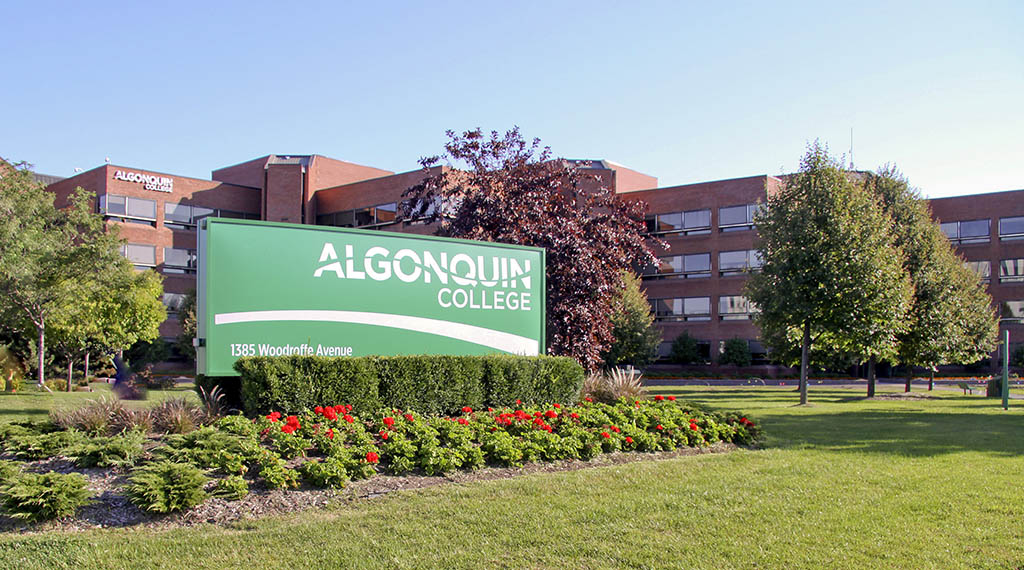
Visit Algonquin College official website