Last updated on 2026-08-05

Program Overview
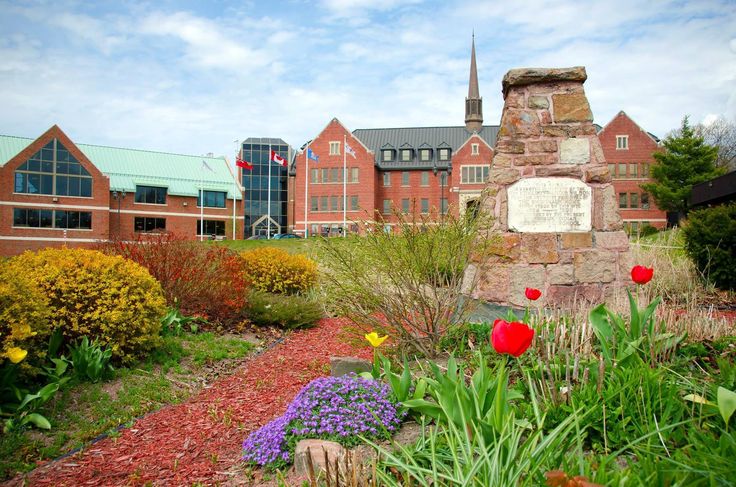
The Community Development program at Algoma University is a comprehensive three-year Bachelor of Arts degree designed to equip students with both practical and analytical skills essential for working effectively within various communities. This program emphasizes the importance of societal change and prepares students to engage with diverse populations, including those in northern, rural, and Indigenous communities. Students will learn to identify common concerns and develop solutions, fostering relationships with organizations and individuals in positions of power.
One of the unique aspects of this program is its interdisciplinary approach, incorporating required courses in Community, Economic, and Social Development (CESD) and Social Work. This allows students to gain a well-rounded education while actively participating in community engagement initiatives. The program also emphasizes hands-on experience, culminating in a 150-hour work placement during the third year. Students have the opportunity to work with notable organizations such as Habitat for Humanity, the Children’s Aid Society, and various Indigenous communities, applying their classroom knowledge to real-world situations.
By choosing to pursue a degree in Community Development, students not only gain valuable skills but also contribute to meaningful change in their communities. The program's focus on social inclusion and equality empowers students to enable collective action, making it a rewarding educational journey.
Program Structure
The Community Development program is structured as a three-year Bachelor of Arts degree, comprising a total of 90 credits. The program is designed to provide students with a robust educational foundation while allowing for practical application of their learning through various community engagement opportunities.
Key features of the program structure include:
- Program Length: 3 years
- Total Credits: 90 credits
- Field Placement: A mandatory 150-hour work placement in the third year
- Interdisciplinary Learning: Courses in Community, Economic, and Social Development (CESD) and Social Work
Students can choose to study at the Sault Ste. Marie campus or at the Northern College location in Timmins, Ontario. The program also offers options for co-operative education, allowing students to gain additional practical experience while earning their degree. This hands-on approach ensures that graduates are well-prepared for their future careers in community development.
Featured Experiences
The Community Development program offers several unique experiences that enhance students' learning and professional development:
- Field Placement: In the third year, students complete a 150-hour field placement, applying classroom concepts in real-world settings.
- NORDIK Institute: Students can engage with the NORDIK Institute, which focuses on key issues affecting Northern Ontario, providing opportunities for internships and volunteer work.
- The People’s Garden: This initiative addresses student food security and promotes community-building activities on campus.
- Community Engagement: Students work alongside local organizations to identify and address community concerns, fostering relationships and advocating for change.
These experiences not only enrich students' academic journey but also prepare them for impactful careers in community development.
Career Options
Graduates of the Community Development program have a wide range of career options available to them in Canada. Here are some potential job roles along with brief descriptions:
- Community Development Practitioner: Work with communities to identify needs and implement programs that promote social change and inclusion.
- Program Officer: Oversee community programs, ensuring they meet objectives and serve the intended populations effectively.
- Researcher: Conduct research on community issues, analyzing data to inform policy and program development.
- Volunteer Coordinator: Manage volunteer programs, recruiting and training volunteers to support community initiatives.
- Consultant: Provide expert advice to organizations on community engagement strategies and program effectiveness.
Other career paths include roles such as youth coordinator, housing development officer, social services administrator, and policy analyst. The versatile skill set acquired through this program makes graduates attractive candidates for a variety of positions in the public, private, and non-profit sectors.
DISCLAIMER: The information above is subject to change. For the latest updates, please contact LOA Portal's advisors.
Visit Algoma University official website