Last updated on 2025-11-25







Program overview
The Bachelor of Science in Geography at Wilfrid Laurier University is designed to provide students with a comprehensive understanding of the complex systems that shape our world, both natural and human-made. This program emphasizes earth systems and physical geography, equipping students with the knowledge and skills necessary to address pressing issues such as climate change, urban planning, and sustainability. Through a combination of hands-on fieldwork, lab training, and the use of digital tools like GIS and remote sensing, students will gain practical experience that prepares them for various career paths in environmental science and data analysis.
Program structure
The Bachelor of Science in Geography program is structured to be completed in four years. Students have the option to apply for a co-op program at the end of their first year, allowing them to gain valuable paid work experience through three four-month work terms during their studies. The program includes:
- Hands-on learning through field studies and lab components.
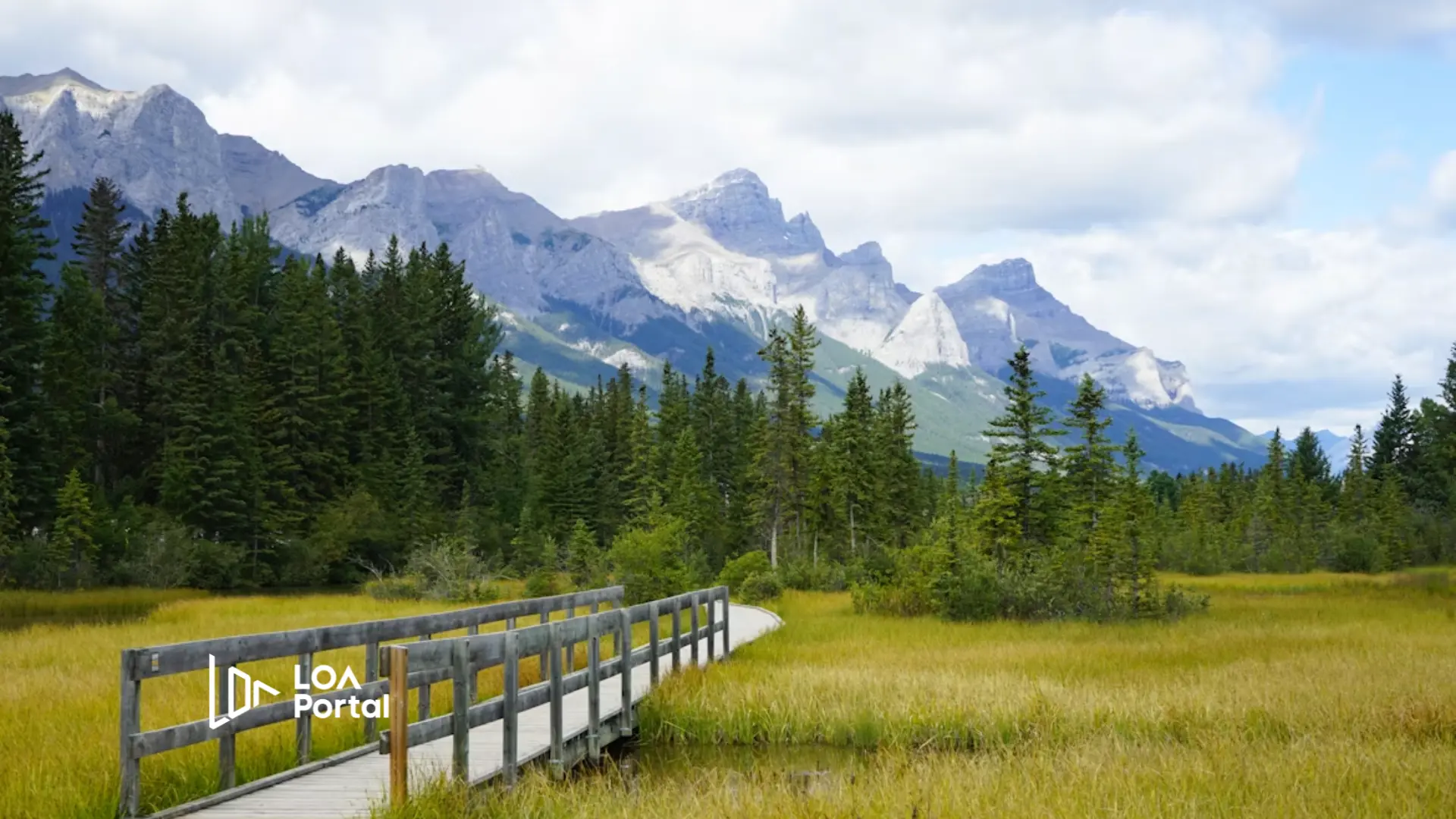
- Opportunities to engage in original research in diverse locations, such as the Canadian Rockies or the Yukon Territory.
- Courses that develop technical skills in GIS, remote sensing, and data visualization.
- Options for specialization in areas like Geomatics and Climate Change Management.
Students can customize their educational experience through various options and minors, allowing them to align their studies with their personal interests and career goals.
Featured Experiences
Students in the Bachelor of Science in Geography program can look forward to a variety of unique experiences that enhance their learning:
- Co-op Program: Apply for co-op after the first year to gain real-world experience through paid work terms.
- Field Studies: Participate in required field studies and choose courses with field and lab components, allowing for hands-on research.
- Digital Literacy: Develop in-demand technical skills through courses in GIS, remote sensing, and data visualization, applying knowledge in real-world settings.
- Leadership Opportunities: Engage in student clubs like the Geography and Environmental Studies Students’ Association (GESSA) to build leadership and communication skills.
Career Options
Graduates of the Bachelor of Science in Geography program can pursue a variety of career paths in Canada, including:
- Ecologist: Study ecosystems and wildlife, focusing on conservation and environmental protection.
- GIS Applications Specialist: Utilize Geographic Information Systems to analyze spatial data and support decision-making processes.
- Hydrologist: Investigate water resources, studying the distribution, movement, and properties of water in the environment.
- Cartographer: Create maps and visual representations of geographic data for various applications.
- Industrial Meteorologist: Analyze weather patterns and provide forecasts to support industries such as agriculture and construction.
These roles highlight the diverse opportunities available to graduates, emphasizing the importance of geography in addressing contemporary challenges.
DISCLAIMER: The information above is subject to change. For the latest updates, please contact LOA Portal's advisors.
Visit WLU - Wilfrid Laurier University official website