Last updated on 2026-01-07



Program Overview
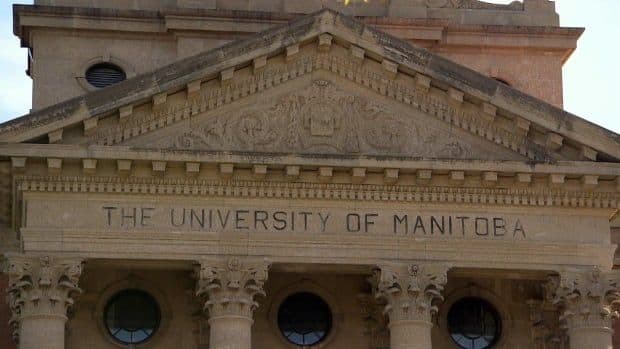
The Bachelor of Science in Earth Sciences with a focus on Geology at the University of Manitoba is designed to provide students with a comprehensive understanding of the Earth and its processes. This program emphasizes the history of the Earth and its life, particularly as recorded in rocks. Students will gain both theoretical knowledge and practical skills necessary to address various challenges in resource extraction, mineral processing, and environmental issues. The program is structured to meet the curriculum guidelines set by Geoscientists Canada, ensuring that graduates are well-prepared for a career in the geosciences.
Program Structure
The Bachelor of Science in Geology program is structured to be completed in a 4-year timeframe, offering both major and honours options. The program includes:
- Major and Honours options available
- Curriculum approved by Geoscientists Canada
- Intensive geological field mapping techniques course after the second year
- Advanced field mapping course for regional scale geological mapping
- Incorporation of field trips in various lecture/lab courses
Students will also have opportunities for experiential learning through optional geological field trips organized every two to three years to locations such as the Colorado Plateau and the Rocky Mountains. This hands-on experience is crucial for developing practical skills in geology.
Featured Experiences
- Intensive geological field mapping techniques course following the second year.
- Advanced field mapping course for regional scale geological and air photo mapping.
- Optional geological field trips to significant geological locations.
- Integration of field, geochemical, and petrological data in practical applications.
- Opportunities for professional registration with provincial and territorial geoscience associations.
Career Options
Graduates of the Bachelor of Science in Earth Sciences - Geology program can pursue a variety of career paths in Canada, including:
- Geologist: Conducts research and analysis of geological data to understand Earth's processes and resources.
- Environmental Consultant: Advises organizations on environmental best practices and compliance with regulations.
- Mining Engineer: Works on the extraction of minerals and resources, ensuring safety and efficiency in mining operations.
- Petroleum Geologist: Studies rock formations to locate and extract oil and gas resources.
- Geoscience Educator: Teaches geology and earth sciences at various educational institutions.
These roles require a solid understanding of geological principles, fieldwork experience, and the ability to analyze and interpret complex data.
DISCLAIMER: The information above is subject to change. For the latest updates, please contact LOA Portal's advisors.
Visit UOM - University of Manitoba official website