Program overview
The Bachelor of Arts and Science in Indigenous Studies & Psychology is a unique program that combines the exploration of Indigenous perspectives with psychological principles. This program is designed to provide students with a comprehensive understanding of First Nations, Métis, and Inuit (FNMI) history, culture, and contemporary issues. Students will engage with renowned Indigenous instructors and participate in a vibrant campus community, including events like Indigenous Awareness Days. This program is one of the most sought-after in Canada, offering a rich academic experience that prepares graduates for various career paths.
Program structure
The Bachelor of Arts and Science in Indigenous Studies & Psychology is structured to provide a well-rounded education over a four-year period. The program includes:
- Experiential learning opportunities, such as co-operative education and international exchanges.
- Options for students to add a minor to their degree, allowing exploration of additional academic interests.
- Possibility to complete an Honours thesis in the fourth year for those with a high GPA.
- Access to Indigenous instructors with real-world experience.
Students can also benefit from various volunteer opportunities and applied studies, enhancing their learning experience and preparing them for future careers.
Featured Experiences
- Co-operative Education: The program offers co-op options, allowing students to gain practical work experience while studying.
- International Exchanges: Students have the opportunity to participate in international exchange programs, broadening their educational experience.
- Experiential Learning: Various experiential learning opportunities are available, including independent studies and volunteer work.
- Indigenous Awareness Days: An annual event featuring lectures and workshops celebrating Indigenous culture.
- Access to Renowned Instructors: Students learn from Indigenous instructors who are recognized professionals in their fields.
Career Options
- Social Worker: Assist individuals and communities in overcoming challenges and improving their well-being.
- Indigenous Outreach Coordinator: Work with Indigenous communities to promote programs and services that meet their needs.
- Policy Analyst: Analyze and develop policies that impact Indigenous communities and advocate for their interests.
- Community Development Officer: Facilitate community projects and initiatives that enhance the quality of life for Indigenous populations.
- Researcher: Conduct research on Indigenous issues, contributing to academic knowledge and community development.
DISCLAIMER: The information above is subject to change. For the latest updates, please contact LOA Portal's advisors.
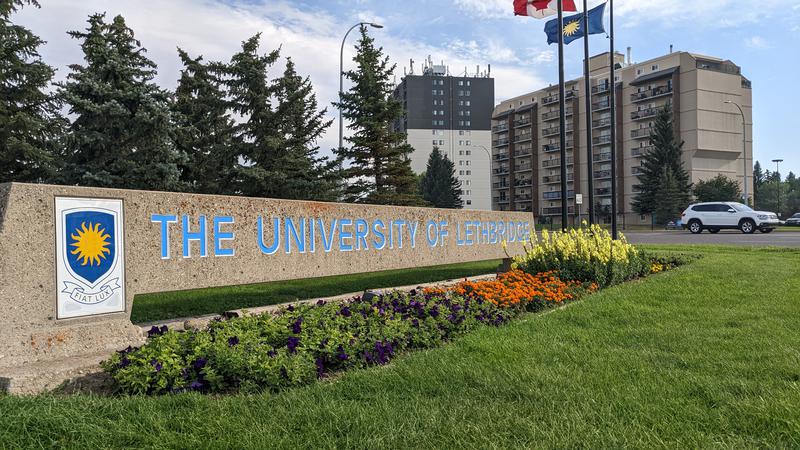
Visit UOL - University of Lethbridge official website