Last updated on 2026-10-05
Program Overview
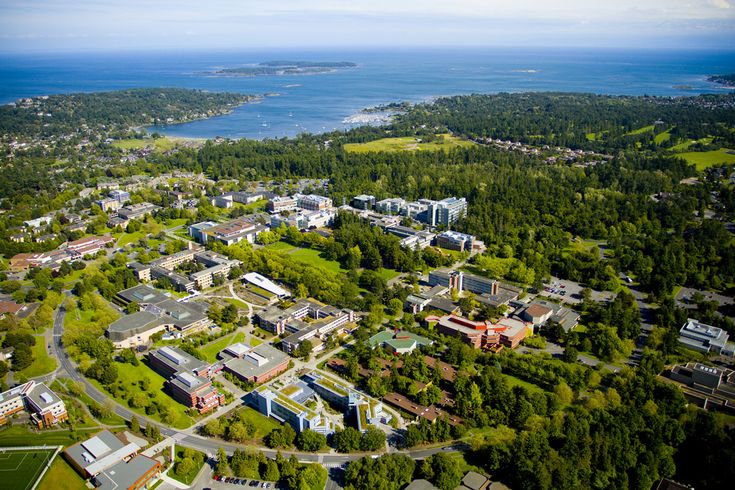
The Bachelor of Arts (BA) in History at the University of Victoria offers students a unique opportunity to explore the past and its impact on the present and future. This program equips students with critical thinking skills to evaluate historical narratives and understand the complexities of human society. Through engaging coursework and optional field schools, such as Canada's Internment Era Field School, students gain a comprehensive understanding of history's role in shaping our world. The program emphasizes the importance of historical knowledge in various contexts, preparing graduates for diverse career paths.
Program Structure
The BA in History program at the University of Victoria is designed to provide a well-rounded education in historical studies. The program typically spans four years, allowing students to immerse themselves in various historical themes and methodologies. Key features of the program structure include:
- Flexible course selection, enabling students to tailor their studies to their interests.
- Opportunities for study abroad through optional field schools.
- Possibility to declare a major after one or more years of full-time study.
- Options to add a minor in History alongside another major.
This structure ensures that students not only gain in-depth knowledge of history but also develop transferable skills applicable in various professional fields.
Featured Experiences
- Optional field schools, such as Canada's Internment Era Field School, provide hands-on learning experiences.
- Dynamic learning environment that encourages critical evaluation of historical events.
- Access to various resources and support from the Department of History.
- Engagement in research projects that enhance understanding of historical contexts.
Career Options
Graduates of the BA in History program from the University of Victoria can pursue a variety of career paths in Canada, including:
- Access to Information Officer: Manage and facilitate access to public records and information.
- Communications Coordinator: Develop and implement communication strategies for organizations.
- Cultural Programs Coordinator: Plan and oversee cultural events and programs in community settings.
- Curator: Manage collections and exhibitions in museums or galleries.
- Historical Interpreter: Educate the public about historical events and figures through presentations and reenactments.
These roles highlight the versatility of a history degree, equipping graduates with skills in research, analysis, and communication that are valuable in many sectors.
DISCLAIMER: The information above is subject to change. For the latest updates, please contact LOA Portal's advisors.
Visit University of Victoria official website