Last updated on 2026-10-05

Program overview
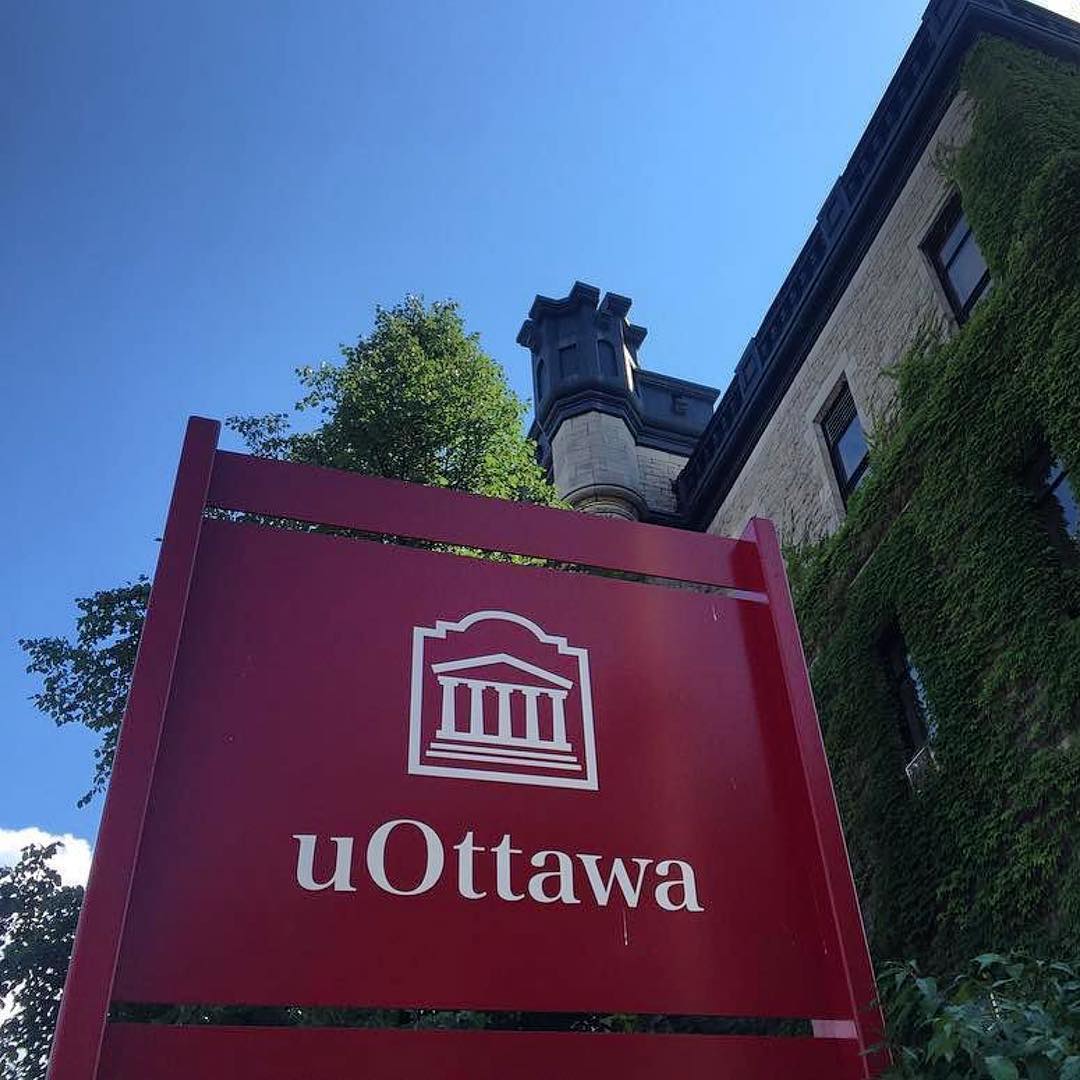
The Master of Arts in Contemporary Art Theory at the University of Ottawa is a bilingual graduate program designed to enhance research capabilities in contemporary art history. This program focuses on developing academics who specialize in contemporary art, visual culture, and visual theory. Students have the flexibility to complete assignments and examinations in either English or French, fostering an inclusive learning environment. The program aims to equip graduates with the necessary skills to critically engage with contemporary artistic practices and theories, preparing them for advanced academic and professional pursuits in the field of art.
Program structure
The Master of Arts in Contemporary Art Theory is structured to be completed in one year on a full-time basis. The program offers two options: a Major Research Paper or a Course Option. Key features of the program structure include:
- Completion of 15 course units for the Major Research Paper option.
- Completion of 24 course units for the Course Option, which can be finished in three trimesters.
- Students can choose to take courses in either English or French, promoting bilingual proficiency.
- Opportunities for professional internships are available, allowing students to gain practical experience in relevant settings.
This comprehensive structure ensures that students receive a well-rounded education, combining theoretical knowledge with practical application in the field of contemporary art.
Featured Experiences
The Master of Arts in Contemporary Art Theory program offers several unique experiences that enhance the learning journey:
- Professional Internship: Students can engage in internships at museums, galleries, or other approved sites, providing hands-on experience in the art world.
- Bilingual Seminars: Courses are conducted in both English and French, allowing students to engage with diverse perspectives and enhance their language skills.
- Research Opportunities: Students have access to state-of-the-art research facilities and can collaborate with faculty on innovative projects.
- Thesis Presentation: Students prepare and present their thesis under the guidance of faculty, culminating in an oral defense that showcases their research findings.
These experiences are designed to prepare students for successful careers in contemporary art and related fields.
Career Options
Graduates of the Master of Arts in Contemporary Art Theory can pursue a variety of career paths in Canada, including:
- Art Curator: Responsible for organizing and managing art exhibitions, curators work closely with artists and institutions to present art in engaging ways.
- Art Historian: These professionals research and analyze art movements, styles, and historical contexts, contributing to academic knowledge and public understanding of art.
- Gallery Manager: Overseeing the operations of art galleries, managers handle exhibitions, sales, and community engagement, ensuring the gallery's success.
- Art Educator: Teaching at various educational levels, art educators inspire students to appreciate and create art, fostering a new generation of artists and art enthusiasts.
- Arts Policy Analyst: Working with government or non-profit organizations, these analysts develop and evaluate policies that impact the arts sector, advocating for cultural initiatives.
These career options reflect the diverse opportunities available to graduates, allowing them to make significant contributions to the field of contemporary art.
DISCLAIMER: The information above is subject to change. For the latest updates, please contact LOA Portal's advisors.
Visit University of Ottawa official website