Last updated on 2026-10-05




























Program overview
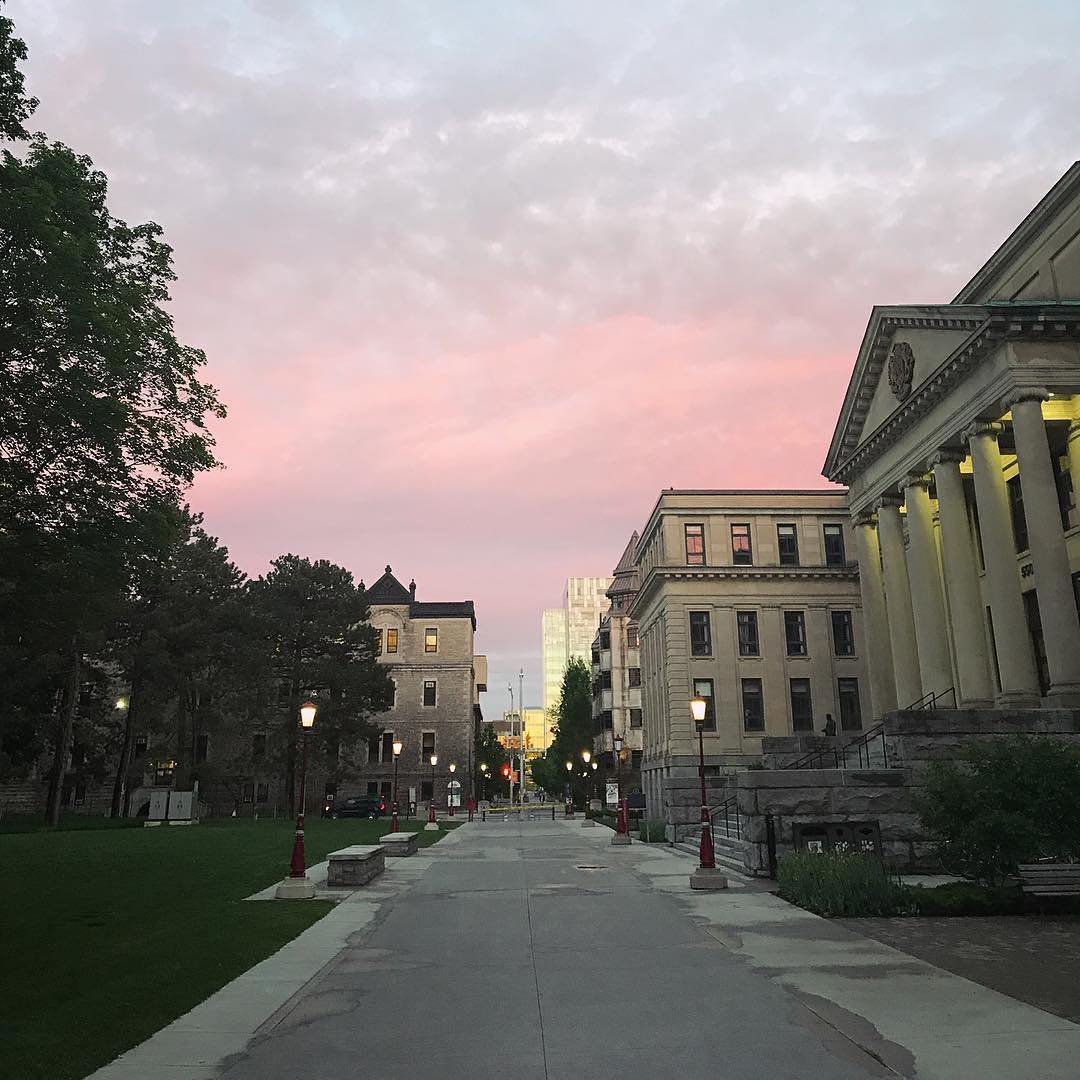
The Master of Arts in Music at the University of Ottawa offers a comprehensive education in music through two distinct streams: performance and musical research. This program is designed for students who hold a Bachelor of Music or an equivalent degree. The School of Music emphasizes both practical and theoretical aspects of music, providing students with opportunities to engage in collaborative programs in areas such as Feminist and Gender Studies and Medieval and Renaissance Studies. The program aims to cultivate a deep understanding of music, preparing graduates for various professional paths in the music industry.
Program structure
The Master of Arts in Music program is structured to accommodate both full-time and part-time students, with a program length of up to four years. Full-time students are expected to complete their studies within two years. The program offers three options for completion:
- Master's with Research Paper: 24 course units, including compulsory and elective courses, plus a research paper.
- Master's with Thesis: 15 course units, a thesis proposal, and a thesis.
- Master's with Course Option: 21 course units, including compulsory and elective courses.
Students are encouraged to engage in various program options, including internships and practicums, which provide practical experience in the field. The program operates under the academic regulations for graduate studies, ensuring a rigorous academic environment.
Featured Experiences
- Opportunities for collaborative programs in Feminist and Gender Studies and Medieval and Renaissance Studies.
- Practicum experiences that allow students to apply their knowledge in real-world settings.
- Participation in performance ensembles, including orchestras and chamber music groups.
- Access to state-of-the-art facilities and resources for research and performance.
- Engagement in research projects that contribute to the field of music.
Career Options
- Music Educator: Teach music in schools or private settings, developing curricula and guiding students in their musical education.
- Music Therapist: Use music as a therapeutic tool to help individuals improve their mental and emotional well-being.
- Music Producer: Oversee the production of music recordings, working with artists to shape their sound and manage studio sessions.
- Musicologist: Conduct research and analysis of music history, theory, and cultural impact, often publishing findings in academic journals.
- Performer: Engage in live performances, whether as a solo artist or as part of an ensemble, showcasing musical talent to audiences.
DISCLAIMER: The information above is subject to change. For the latest updates, please contact LOA Portal's advisors.
Visit University of Ottawa official website